
Vitamin C Deficiency: Warning Signs, Symptoms & Expert Guide
Vitamin C Deficiency: Early Warning Signs, Symptoms & Expert Guide
Table of Contents
Don't Ignore These Early Signs of Vitamin C Deficiency
Feeling unusually tired, noticing frequent bruises, or seeing blood when you brush your teeth might seem unrelated. However, these seemingly minor problems can sometimes point to a nutritional deficiency that often goes unnoticed—vitamin C deficiency.
Vitamin C plays a vital role in keeping your body healthy. It supports collagen production, helps wounds heal, strengthens blood vessels, improves iron absorption, and protects cells from oxidative damage. When your body doesn't receive enough vitamin C for an extended period, these essential functions begin to decline, leading to a wide range of symptoms that can affect your skin, gums, joints, immune system, and overall well-being.
Although severe vitamin C deficiency, known as scurvy, is relatively uncommon in developed countries today, mild to moderate deficiency still occurs—especially among people with poor dietary habits, certain medical conditions, smoking, alcohol dependence, or reduced nutrient absorption.
The good news is that vitamin C deficiency is usually preventable and, in most cases, reversible when recognized early. Understanding the warning signs can help you seek timely medical advice and prevent more serious complications.
In this evidence-based guide, you'll learn what vitamin C deficiency is, why it develops, who is most at risk, and the early symptoms you should never ignore.
Quick Answer
Vitamin C deficiency occurs when the body does not receive enough vitamin C to maintain normal biological functions. Early symptoms may include fatigue, weakness, easy bruising, bleeding gums, slow wound healing, dry skin, and joint discomfort. If left untreated, deficiency can progress to scurvy, a serious condition that affects connective tissues, blood vessels, and overall health. Most cases improve with appropriate dietary changes and, when necessary, vitamin C supplementation under medical guidance.
Quick Facts
| Feature | Details |
| Medical Condition | Vitamin C Deficiency (Hypovitaminosis C) |
| Severe Form | Scurvy |
| Main Cause | Inadequate vitamin C intake over time |
| Early Symptoms | Fatigue, weakness, bruising, bleeding gums |
| High-Risk Groups | Smokers, older adults, restrictive diets, malabsorption disorders |
| Diagnosis | Medical history, physical examination, dietary assessment, laboratory testing when indicated |
| Treatment | Vitamin C-rich foods and supplements as recommended by a healthcare professional |
| Prevention | Balanced diet containing fruits and vegetables rich in vitamin C |
What Is Vitamin C Deficiency?
Vitamin C deficiency occurs when the body's vitamin C stores become too low to support normal physiological functions. Unlike some animals, humans cannot produce vitamin C on their own. Instead, we rely entirely on dietary sources such as fruits and vegetables to meet our daily requirements. Vitamin C is essential for many processes, including:
- Collagen production
- Connective tissue maintenance
- Blood vessel integrity
- Wound healing
- Iron absorption
- Immune function
- Antioxidant protection
When vitamin C intake remains inadequate for weeks or months, the body's stored reserves gradually decline. As these reserves become depleted, tissues that depend heavily on collagen begin to weaken, leading to the characteristic symptoms associated with deficiency.
Without treatment, prolonged deficiency can eventually progress to scurvy, a condition once common among sailors during long sea voyages but now largely preventable through adequate nutrition.
Why Vitamin C Is Essential for Your Body
Vitamin C is involved in hundreds of biochemical reactions that help maintain healthy tissues throughout the body. One of its most important roles is supporting collagen synthesis. Collagen is the primary structural protein found in:
- Skin
- Blood vessels
- Bones
- Cartilage
- Tendons
- Ligaments
- Gums
When collagen production becomes impaired because of insufficient vitamin C, connective tissues lose strength, making blood vessels more fragile and slowing the body's ability to repair itself.
Vitamin C also helps:
- Protect cells from oxidative stress.
- Support normal immune function.
- Improve absorption of non-heme iron from plant-based foods.
- Maintain healthy skin and connective tissue.
For a detailed explanation of vitamin C's broader health benefits, see our complete guide on Vitamin C Benefits.
How Vitamin C Deficiency Develops
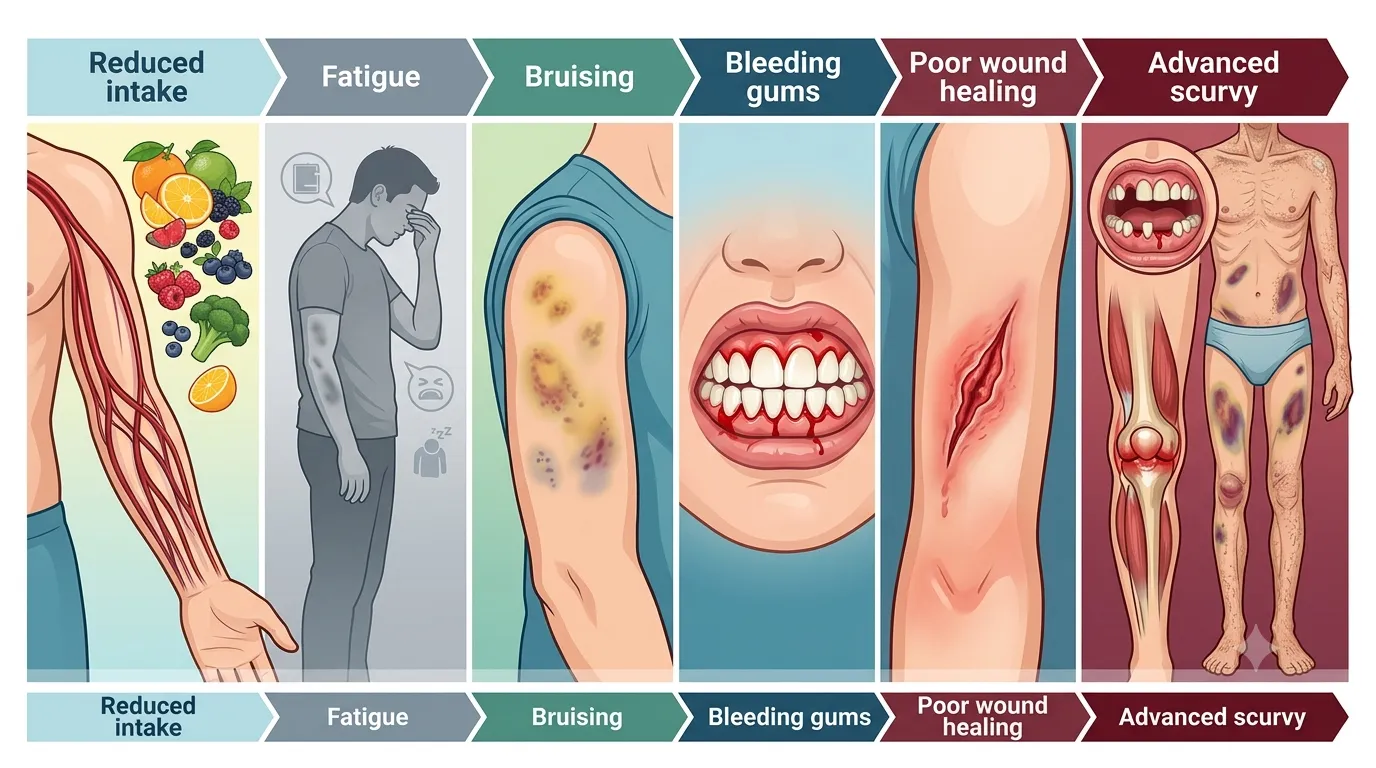
Vitamin C deficiency rarely appears overnight. Instead, it develops gradually as the body's vitamin C stores become depleted. A simplified progression looks like this:
Stage 1: Declining Vitamin C Stores
During the first few weeks of inadequate intake, vitamin C levels begin to decrease, although most people notice few or no symptoms.
Stage 2: Early Functional Changes
As vitamin C stores continue to fall, the body begins to show subtle signs such as:
- Fatigue
- Reduced energy
- Mild weakness
- Poor concentration
These symptoms are often mistaken for stress, lack of sleep, or a busy lifestyle.
Stage 3: Connective Tissue Weakness
Continued deficiency affects collagen production, leading to more noticeable physical changes, including:
- Easy bruising
- Gum irritation
- Slow wound healing
- Dry or rough skin
These signs occur because weakened connective tissues can no longer provide normal support for blood vessels and skin.
Stage 4: Advanced Deficiency (Scurvy)
If vitamin C deficiency remains untreated for several months, scurvy may develop.
Possible features include:
- Severe bleeding gums
- Loose teeth
- Extensive bruising
- Joint pain
- Swollen limbs
- Poor wound healing
- General weakness
Fortunately, modern diagnosis and treatment make advanced scurvy relatively uncommon in many parts of the world.
Who Is Most at Risk?
Although anyone can develop vitamin C deficiency, some groups are more vulnerable than others.
People Who Eat Few Fruits and Vegetables
Vitamin C is found primarily in fresh fruits and vegetables.
Individuals who regularly consume highly processed foods while eating very little fresh produce may gradually develop inadequate vitamin C intake.
Smokers
Smoking increases oxidative stress throughout the body.
As a result, smokers generally require more vitamin C than non-smokers because the vitamin is used more rapidly to help neutralize oxidative damage.
Older Adults
Some older adults may consume less varied diets due to reduced appetite, dental problems, limited mobility, or difficulty preparing meals.
These factors can increase the risk of nutritional deficiencies, including vitamin C deficiency.
People With Restrictive Diets
Highly restrictive eating patterns that eliminate many fruits and vegetables may reduce vitamin C intake.
Examples include:
- Extremely limited diets
- Certain eating disorders
- Food selectivity
- Severe calorie restriction
Careful dietary planning is important to maintain adequate nutrition.
Individuals With Malabsorption Disorders
Certain gastrointestinal conditions can reduce nutrient absorption.
Examples include:
- Crohn's disease
- Celiac disease
- Short bowel syndrome
- Chronic digestive disorders
People with these conditions may require individualized nutritional assessment.
People With Alcohol Use Disorder
Chronic excessive alcohol consumption is associated with poor dietary intake and reduced overall nutritional status, increasing the likelihood of multiple vitamin deficiencies.
Patients Receiving Dialysis
Kidney dialysis can increase losses of water-soluble vitamins, including vitamin C.
Healthcare providers often monitor nutritional status in these individuals and may recommend supplementation when appropriate.
Early Signs of Vitamin C Deficiency
The earliest signs of vitamin C deficiency are often subtle and easy to overlook. Many people attribute these symptoms to stress, aging, or a busy lifestyle rather than inadequate nutrition. Some of the earliest warning signs include:
- Persistent fatigue
- Feeling unusually weak
- Reduced stamina
- Poor concentration
- Irritability
- Muscle aches
- Increased susceptibility to infections
- Slower recovery after minor injuries
Because these symptoms are nonspecific, vitamin C deficiency may go unrecognized until more characteristic physical signs begin to appear. Recognizing these early changes allows treatment to begin before more serious complications develop.
Physical Signs That Shouldn't Be Ignored
As deficiency progresses, collagen production becomes increasingly impaired, leading to visible changes throughout the body. Some of the most recognizable physical signs include:
- Easy bruising without significant injury.
- Small red or purple spots around hair follicles.
- Dry, rough skin.
- Slow-healing cuts and scrapes.
- Swollen or tender gums.
- Bleeding while brushing or flossing.
- Increased tooth sensitivity.
- General muscle weakness.
These symptoms do not automatically confirm vitamin C deficiency, as they can occur in many other medical conditions. However, when several appear together—especially in someone with poor dietary intake—they warrant medical evaluation.
Vitamin C Deficiency Symptoms
The symptoms of vitamin C deficiency usually develop gradually over several weeks or months rather than appearing suddenly. Since vitamin C is essential for collagen production, antioxidant defense, wound healing, and iron absorption, low levels can affect multiple organs and tissues throughout the body.
While early symptoms may seem mild, untreated deficiency can progress to more serious complications. Below are the most common vitamin C deficiency symptoms and what causes them.
Persistent Fatigue and Weakness
One of the earliest and most frequently overlooked symptoms is persistent fatigue.
People with vitamin C deficiency often describe feeling:
- Constantly tired
- Low in energy
- Physically weak
- Less able to complete daily activities
Although fatigue has many possible causes, vitamin C deficiency may contribute by impairing collagen production, reducing iron absorption, and increasing oxidative stress.
Because these symptoms are nonspecific, they are often mistaken for stress, poor sleep, or a busy lifestyle.
Bleeding Gums
One of the hallmark signs of vitamin C deficiency is bleeding gums.
Healthy gums rely on strong collagen fibers to support the surrounding tissues and blood vessels. When vitamin C levels fall, collagen production declines, making gum tissue fragile and more likely to bleed during brushing, flossing, or eating.
People may notice:
- Swollen gums
- Tenderness
- Bright red gum tissue
- Bleeding while brushing
- Persistent gum irritation
While bleeding gums are commonly associated with gum disease, nutritional deficiencies—including vitamin C deficiency—can also contribute. Persistent bleeding should always be evaluated by a dentist or healthcare professional.
Easy Bruising
Another common symptom is vitamin C deficiency bruising.
Bruises may develop after very minor bumps or even without a clear injury.
This occurs because weakened collagen makes small blood vessels more fragile, allowing blood to leak into surrounding tissues more easily.
Bruising associated with vitamin C deficiency may:
- Appear more frequently than usual.
- Heal slowly.
- Occur in multiple areas of the body.
Easy bruising has many possible causes, so it should not be considered diagnostic on its own.
Slow Wound Healing
Vitamin C plays an essential role in repairing damaged tissues.
Without adequate vitamin C, wounds may take significantly longer to heal because collagen—the structural framework needed for tissue repair—cannot be produced efficiently.
Signs include:
- Cuts healing slowly
- Surgical wounds taking longer to recover
- Persistent skin injuries
- Delayed recovery after dental procedures
Individuals recovering from surgery or injuries often have increased vitamin C requirements to support normal healing.
Joint and Muscle Pain
Many people with prolonged deficiency experience discomfort affecting the muscles and joints.
Possible symptoms include:
- Aching joints
- Muscle soreness
- Stiffness
- Pain during movement
These symptoms develop because collagen is a major component of cartilage, tendons, ligaments, and connective tissues that support the joints.
As connective tissue weakens, normal movement may become painful.
Dry, Rough, or Fragile Skin
Healthy skin depends on adequate collagen production and antioxidant protection.
Vitamin C deficiency may contribute to:
- Dry skin
- Rough texture
- Reduced elasticity
- Increased skin fragility
Some people also develop rough bumps around hair follicles, a condition known as follicular hyperkeratosis, which is considered a classic feature of prolonged deficiency.
Unlike cosmetic concerns related to aging, these skin changes reflect impaired connective tissue health.
Corkscrew Hairs
A lesser-known but highly characteristic sign of vitamin C deficiency is the appearance of corkscrew hairs. Hair growing from affected follicles may become:
- Twisted
- Curled
- Coiled
- Fragile
These changes occur because abnormal collagen weakens the structure surrounding hair follicles. Although not everyone develops this symptom, its presence strongly suggests long-standing deficiency and should prompt further medical evaluation.
Nail Changes
Although less common, vitamin C deficiency nails may show subtle abnormalities.
Possible changes include:
- Brittle nails
- Slow nail growth
- Increased nail breakage
These findings are not unique to vitamin C deficiency and can also result from aging, nutritional deficiencies, thyroid disorders, or other medical conditions.
For this reason, nail changes should always be interpreted alongside other symptoms and clinical findings.
Neurological Symptoms
Vitamin C primarily affects connective tissue, but prolonged deficiency may also contribute to certain neurological or psychological symptoms. Possible vitamin C deficiency neurological symptoms include:
- Irritability
- Difficulty concentrating
- Mood changes
- Depression
- Brain fog
In severe and prolonged cases, neurological complications may occur indirectly because of associated nutritional deficiencies or poor overall health. These symptoms are usually nonspecific, making medical evaluation important for an accurate diagnosis.
Vitamin C Deficiency and Iron Deficiency
Vitamin C has an important role in helping the body absorb non-heme iron, the form of iron naturally found in plant-based foods. When vitamin C intake is inadequate, iron absorption may decrease. Over time, this can contribute to iron deficiency, particularly in people who:
- Follow vegetarian or vegan diets.
- Have increased iron requirements.
- Consume little dietary vitamin C.
Symptoms that may occur when vitamin C and iron deficiency exist together include:
- Severe fatigue
- Pale skin
- Dizziness
- Shortness of breath
- Reduced exercise tolerance
Not everyone with vitamin C deficiency develops iron deficiency, but the two conditions can occur together, especially in individuals with poor overall nutrition.
Scurvy: The Most Severe Form of Vitamin C Deficiency
When vitamin C deficiency remains untreated for several months, it may progress to scurvy. Although scurvy is now uncommon in many developed countries, it still occurs in people with severe dietary restriction, chronic malnutrition, alcoholism, eating disorders, or conditions that impair nutrient absorption. Symptoms of scurvy may include:
- Severe bleeding gums
- Loose teeth
- Extensive bruising
- Swollen joints
- Persistent fatigue
- Poor wound healing
- Muscle weakness
- Anemia
Without treatment, scurvy can lead to serious complications affecting multiple organ systems. Fortunately, when diagnosed early, most symptoms improve significantly after vitamin C intake is restored under appropriate medical supervision.
When Should You See a Doctor?
Occasional fatigue or an isolated bruise does not necessarily indicate vitamin C deficiency. However, you should seek medical advice if you experience several symptoms together, particularly if they persist or worsen over time. Arrange a medical evaluation if you notice:
- Frequent unexplained bruising
- Persistent bleeding gums
- Slow-healing wounds
- Ongoing fatigue without an obvious cause
- Joint pain combined with poor nutrition
- Signs of anemia
- A diet consistently lacking fruits and vegetables
A healthcare professional can determine whether vitamin C deficiency or another medical condition is responsible for your symptoms through a clinical assessment and, when appropriate, laboratory testing.
How Is Vitamin C Deficiency Diagnosed?
Because many vitamin C deficiency symptoms—such as fatigue, bruising, and muscle pain—can occur in numerous medical conditions, diagnosis should always involve a comprehensive medical evaluation rather than relying on symptoms alone.
Healthcare professionals typically diagnose vitamin C deficiency using a combination of medical history, dietary assessment, physical examination, and, when appropriate, laboratory testing.
Medical History
Your healthcare provider may ask questions about:
- Your daily diet
- Fruit and vegetable intake
- Recent weight loss
- Smoking habits
- Alcohol consumption
- Digestive disorders
- Current medications
- Existing medical conditions
A history of limited vitamin C intake often provides an important clue.
Physical Examination
A physical examination may reveal characteristic findings such as:
- Bleeding or swollen gums
- Easy bruising
- Poor wound healing
- Corkscrew hairs
- Dry or rough skin
- Joint tenderness
- Signs of anemia
These findings help determine whether additional testing is needed.
Blood Tests
Although blood tests can measure vitamin C levels, they are not always required. Depending on your symptoms, your healthcare provider may also order tests to evaluate:
- Iron levels
- Complete blood count (CBC)
- Markers of inflammation
- Other vitamin deficiencies
These tests help rule out conditions with similar symptoms.
Treatment for Vitamin C Deficiency

The good news is that vitamin C deficiency is usually reversible when identified early. Treatment focuses on restoring normal vitamin C levels while addressing any underlying causes contributing to the deficiency.
Increase Vitamin C-Rich Foods
For mild deficiency, improving dietary intake is often the first step. Excellent food sources include:
- Oranges
- Kiwi
- Strawberries
- Guava
- Bell peppers
- Broccoli
- Brussels sprouts
- Tomatoes
- Papaya
- Citrus fruits
A varied diet containing fresh fruits and vegetables usually provides sufficient vitamin C for most healthy adults.
For a complete food guide, see our article on Vitamin C-Rich Foods.
Vitamin C Supplements
Some individuals may require supplementation, especially if dietary changes alone are unlikely to correct the deficiency. A healthcare professional may recommend supplements for people who:
- Have confirmed vitamin C deficiency.
- Have malabsorption disorders.
- Recover from surgery.
- Have significantly restricted diets.
- Cannot meet nutritional needs through food.
The appropriate dosage depends on the severity of the deficiency, age, overall health, and individual medical history. Avoid self-prescribing very high doses without professional guidance.
Treat Underlying Conditions
In some cases, correcting vitamin C intake alone may not fully resolve the problem. Long-term management may also involve treating conditions such as:
- Eating disorders
- Alcohol use disorder
- Gastrointestinal diseases
- Chronic illnesses affecting nutrient absorption
Addressing the underlying cause helps reduce the risk of recurrence.
How Long Does Recovery Take?
Recovery depends on the severity of the deficiency and how quickly treatment begins. Many people notice gradual improvement after restoring adequate vitamin C intake.
A general timeline may look like this:
Time After Treatment Begins | Expected Improvement |
24–48 Hours | Fatigue and general well-being may begin improving. |
1–2 Weeks | Gum bleeding, bruising, and energy levels often improve. |
2–4 Weeks | Wound healing and connective tissue function continue recovering. |
Several Months | More severe tissue damage associated with advanced deficiency may continue to heal. |
Recovery varies from person to person, and individuals with severe deficiency or underlying health conditions may require longer treatment and follow-up.
How to Prevent Vitamin C Deficiency
Preventing vitamin C deficiency is usually much easier than treating it. Simple daily habits can significantly reduce your risk.
Eat Fruits and Vegetables Every Day
Aim to include a variety of vitamin C-rich foods in your meals, such as:
- Citrus fruits
- Berries
- Kiwi
- Bell peppers
- Tomatoes
- Broccoli
- Leafy vegetables
Eating a diverse range of produce also provides fiber and other beneficial nutrients.
Avoid Overcooking Vegetables
Vitamin C is sensitive to heat.
Prolonged cooking can reduce its concentration in foods.
Whenever possible:
- Steam instead of boiling.
- Cook vegetables for shorter periods.
- Eat some fruits and vegetables raw.
Follow Medical Advice
People with conditions that increase their nutritional requirements should follow individualized advice from their healthcare provider regarding diet or supplementation.
Maintain a Balanced Diet
Most healthy adults can prevent deficiency simply by eating a varied, nutrient-rich diet without relying on supplements.
Frequently Asked Questions
What causes vitamin C deficiency?
Vitamin C deficiency is most commonly caused by inadequate dietary intake over several weeks or months. Other contributing factors include smoking, alcohol use disorder, malabsorption disorders, restrictive diets, and certain chronic illnesses.
What are the first signs of vitamin C deficiency?
Early signs often include:
- Fatigue
- Weakness
- Easy bruising
- Bleeding gums
- Slow wound healing
- Muscle aches
Because these symptoms are not specific to vitamin C deficiency, medical evaluation is recommended if they persist.
Can vitamin C deficiency affect the brain?
Prolonged deficiency may contribute to mood changes, irritability, poor concentration, and fatigue.
Severe neurological complications are uncommon but should always be assessed by a healthcare professional because many other conditions can produce similar symptoms.
Can vitamin C deficiency cause bruising?
Yes.
Reduced collagen production weakens capillary walls, making blood vessels more fragile and increasing the likelihood of easy bruising.
Can vitamin C deficiency cause bleeding gums?
Yes. Vitamin C is essential for maintaining healthy connective tissue in the gums. Deficiency weakens blood vessels and collagen, making gums more likely to become swollen and bleed.
However, gum disease is also a common cause of bleeding gums, so professional dental evaluation is important.
Is scurvy still common?
No.
Scurvy is now uncommon in countries where fresh fruits and vegetables are widely available.
However, it still occurs in people with severe dietary restriction, chronic malnutrition, certain medical conditions, or limited access to nutritious foods.
Key Takeaways
- Vitamin C deficiency develops gradually and may initially cause subtle symptoms such as fatigue and weakness.
- As deficiency progresses, bleeding gums, easy bruising, poor wound healing, and joint discomfort become more common.
- Severe untreated deficiency can lead to scurvy, a serious but preventable disease.
- Diagnosis is based on medical history, dietary assessment, physical examination, and laboratory testing when needed.
- Most cases improve with increased vitamin C intake through food or supplements under professional guidance.
A balanced diet rich in fruits and vegetables remains the most effective way to prevent vitamin C deficiency.
Conclusion
Vitamin C deficiency is often overlooked because its early symptoms can resemble many other health conditions. Yet this essential nutrient plays a critical role in collagen production, immune function, wound healing, and iron absorption, making adequate intake vital for overall health.
Recognizing early warning signs—such as persistent fatigue, bleeding gums, unexplained bruising, and slow-healing wounds—can lead to earlier diagnosis and treatment before more serious complications develop. Fortunately, most cases respond well to improved nutrition and, when appropriate, vitamin C supplementation under medical supervision.
Maintaining a balanced diet rich in fresh fruits and vegetables is the most reliable way to prevent deficiency and support long-term health. If you suspect you may have vitamin C deficiency, consult a qualified healthcare professional for an accurate diagnosis and personalized treatment plan.
References
- National Institutes of Health Office of Dietary Supplements. Vitamin C Fact Sheet for Health Professionals.
- World Health Organization. Healthy Diet Recommendations.
- Mayo Clinic. Vitamin C Deficiency: Symptoms and Causes.
- Cleveland Clinic. Scurvy (Vitamin C Deficiency).
- American Academy of Dermatology. Skin Health and Nutritional Deficiencies.
- Pullar JM, Carr AC, Vissers MCM. The Roles of Vitamin C in Skin Health. Nutrients. 2017.
- Carr AC, Maggini S. Vitamin C and Immune Function. Nutrients. 2017.
- Hodges RE, Hood J, Canham JE, et al. Clinical Manifestations of Ascorbic Acid Deficiency in Humans. American Journal of Clinical Nutrition.
Author: Dr. Aamir Raza
Reviewed by: Medical & Scientific Content Review Team
This article is based on evidence from peer-reviewed medical literature, nutrition science, and trusted healthcare organizations. All medical information is reviewed periodically to reflect current scientific understanding.
Medical Disclaimer: This article is intended for educational purposes only and should not be considered medical advice. Always consult a qualified healthcare professional if you experience symptoms suggestive of vitamin C deficiency or before starting any dietary supplement.