
Discover the Best Natural Sources of Vitamin C for Better Health
When people think of vitamin C, oranges are usually the first food that comes to mind. While citrus fruits are excellent sources, they're far from the only option. In fact, several everyday fruits and vegetables contain even higher amounts of vitamin C than oranges, making it easier than many people realize to meet your daily nutritional needs.
Vitamin C is an essential nutrient that supports many vital functions in the body. It contributes to normal immune function, collagen production, wound healing, antioxidant protection, and the absorption of non-heme iron from plant-based foods. Because the human body cannot produce or store large amounts of vitamin C, consuming vitamin C-rich foods regularly is the best way to maintain healthy levels.
Fortunately, adding more vitamin C to your diet doesn't require expensive supplements or complicated meal plans. Fresh fruits, colorful vegetables, and a balanced eating pattern can provide everything most healthy adults need.
This guide explores the best foods high in vitamin C, how much you need each day, practical ways to preserve vitamin C during cooking, and how to include more natural sources of this essential nutrient in your daily meals.
Quick Answer
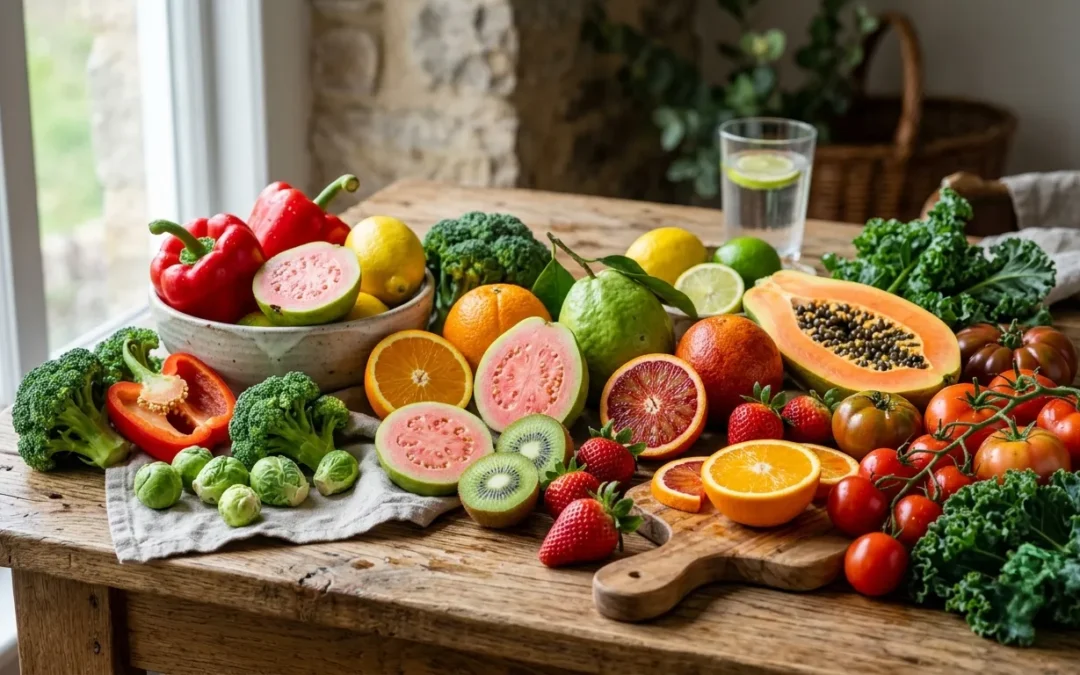
Vitamin C-rich foods include guava, acerola cherries, kiwi, strawberries, oranges, bell peppers, broccoli, Brussels sprouts, papaya, tomatoes, and many other fruits and vegetables. Eating a variety of these foods throughout the day is the most effective way to meet your daily vitamin C requirements while supporting immune health, collagen production, and overall well-being.
Quick Facts
| Feature | Details |
| Nutrient | Vitamin C (Ascorbic Acid) |
| Main Function | Supports collagen production, immune function, antioxidant defense, and iron absorption |
| Best Natural Sources | Guava, acerola cherries, bell peppers, kiwi, citrus fruits, broccoli |
| Water Soluble | Yes |
| Stored in the Body | Only in limited amounts |
| Best Way to Obtain | A balanced diet rich in fruits and vegetables |
| Cooking Effect | Prolonged heat may reduce vitamin C content |
| Daily Goal | Meet the Recommended Dietary Allowance (RDA) through food whenever possible |
What Are Vitamin C-Rich Foods?
Vitamin C-rich foods are fruits and vegetables that naturally contain significant amounts of vitamin C (ascorbic acid), an essential water-soluble vitamin that the body cannot produce on its own.
Unlike fat-soluble vitamins, vitamin C isn't stored in large quantities for long periods. This means your body depends on a regular dietary supply to maintain healthy levels.
Natural foods rich in vitamin C offer more than just one nutrient. They also provide dietary fiber, antioxidants, vitamins, minerals, and beneficial plant compounds that work together to support overall health. Because of these additional nutrients, obtaining vitamin C from whole foods is generally preferred over relying on supplements unless supplementation is recommended by a healthcare professional.
Many people are surprised to learn that oranges are not the richest source of vitamin C. Several fruits and vegetables—including guava, acerola cherries, and red bell peppers—contain considerably higher amounts per serving.
Why Vitamin C-Rich Foods Matter
Eating a variety of high vitamin C containing foods supports several essential processes throughout the body. Vitamin C helps:
- Maintain normal collagen production for healthy skin, blood vessels, cartilage, bones, and gums.
- Support normal immune system function.
- Protect cells from oxidative stress through its antioxidant activity.
- Improve the absorption of non-heme iron from plant-based foods.
- Promote normal wound healing.
- Support healthy connective tissues throughout the body.
Unlike supplements, whole foods also provide numerous phytonutrients that may offer additional health benefits beyond vitamin C alone.
For a detailed discussion of how vitamin C supports different body systems, read our complete guide on Vitamin C Benefits.
How Much Vitamin C Do You Need Each Day?
The amount of vitamin C your body needs depends on factors such as age, sex, pregnancy, and lifestyle. The Recommended Dietary Allowance (RDA) for healthy adults is:
Group | Recommended Daily Intake |
Adult Men | 90 mg |
Adult Women | 75 mg |
Pregnant Women | 85 mg |
Breastfeeding Women | 120 mg |
Smokers | Approximately 35 mg more per day than non-smokers |
Most healthy adults can easily meet these recommendations by eating several servings of fruits and vegetables each day. Individuals with certain medical conditions or dietary restrictions may have different nutritional needs and should consult a qualified healthcare professional for personalized advice.
Top 10 Vitamin C-Rich Foods
If you're looking for the best foods high in vitamin C, these nutritious options deserve a regular place on your plate.
Guava
Guava is one of the richest natural sources of vitamin C available. Just one medium guava provides well over the daily vitamin C requirement for most adults, making it one of the easiest ways to increase your intake naturally. In addition to vitamin C, guava contains:
- Dietary fiber
- Potassium
- Folate
- Antioxidants such as lycopene
Its naturally sweet flavor makes it an excellent addition to smoothies, fruit salads, or as a healthy snack.
Acerola Cherries
Acerola cherries are among the highest vitamin C foods known. Although they are less commonly available than other fruits, they contain exceptionally high concentrations of vitamin C in a relatively small serving. They are often used in:
- Frozen fruit blends
- Natural juices
- Whole-food vitamin C powders
Because fresh acerola cherries are highly perishable, they are most often consumed shortly after harvest or in minimally processed forms.
Red Bell Peppers
Many people are surprised to discover that red bell peppers contain more vitamin C per serving than many citrus fruits. They're also rich in:
- Vitamin A
- Carotenoids
- Fiber
- Potassium
Red bell peppers can be enjoyed:
- Raw in salads
- Sliced as snacks
- Roasted
- Stir-fried
Since vitamin C is sensitive to heat, eating some peppers raw helps maximize their vitamin C content.
Kiwi
Kiwi is another excellent vitamin C-rich food that's both nutritious and convenient. In addition to vitamin C, kiwi provides:
- Fiber
- Vitamin K
- Potassium
- Natural antioxidants
Its sweet-tart flavor makes it easy to enjoy on its own, mixed into yogurt, or blended into smoothies.
Strawberries
Strawberries are among the most popular foods with a good source of vitamin C. They also provide:
- Fiber
- Manganese
- Folate
- Polyphenol antioxidants
Fresh strawberries make a healthy dessert or breakfast topping while helping contribute to your daily vitamin C intake.
Oranges
Oranges remain one of the best-known vitamin C foods worldwide. While they may not contain the highest amount of vitamin C compared with some other fruits, they remain an excellent, convenient, and widely available source. Oranges also contribute:
- Hydration
- Dietary fiber
- Folate
- Potassium
Fresh oranges are generally preferable to heavily sweetened fruit juices because they retain more fiber and promote greater satiety.
Broccoli
Broccoli is one of the most nutrient-dense vegetables you can eat. Along with vitamin C, it provides:
- Vitamin K
- Folate
- Fiber
- Plant compounds associated with overall health
Light steaming helps preserve much of its nutritional value while improving digestibility for many people.
Brussels Sprouts
Brussels sprouts are another excellent vegetable for increasing vitamin C intake. They also contain:
- Fiber
- Vitamin K
- Folate
- Antioxidant compounds
Roasting or lightly steaming Brussels sprouts creates a flavorful side dish while helping maintain much of their nutritional value.
Papaya
Papaya offers an impressive amount of vitamin C together with naturally occurring digestive enzymes and carotenoids. It can be enjoyed:
- Fresh
- In fruit salads
- Blended into smoothies
- With yogurt
Its naturally sweet taste makes it a nutritious alternative to processed desserts.
Tomatoes
Tomatoes may not contain as much vitamin C as guava or bell peppers, but they still contribute meaningfully to overall intake, particularly when eaten regularly. Fresh tomatoes also provide:
- Lycopene
- Potassium
- Vitamin A
- Various antioxidants
They fit easily into salads, sandwiches, soups, sauces, and countless everyday meals.
Other Foods Rich in Vitamin C
Beyond the top ten, many other foods rich in vitamin C can help diversify your diet. Examples include:
- Pineapple
- Mango
- Cantaloupe
- Grapefruit
- Lemons
- Limes
- Cabbage
- Cauliflower
- Kale
- Spinach
- Snow peas
- Green peppers
- Chili peppers
Including a wide variety of colorful fruits and vegetables throughout the week not only improves vitamin C intake but also increases overall dietary diversity and nutrient quality.
Which Foods Contain the Highest Amount of Vitamin C?
While oranges are often associated with vitamin C, they are not the richest source. Several fruits and vegetables provide significantly higher amounts per serving, making them excellent choices if you're trying to increase your intake naturally. The approximate vitamin C content of common foods is shown below. Values may vary depending on variety, growing conditions, ripeness, and preparation.
Food | Approximate Vitamin C (per 100 g) |
Acerola Cherries | 1,600–1,700 mg |
Guava | ~228 mg |
Red Bell Pepper | ~128 mg |
Kiwi | ~93 mg |
Broccoli | ~89 mg |
Brussels Sprouts | ~85 mg |
Papaya | ~61 mg |
Strawberries | ~59 mg |
Orange | ~53 mg |
Tomato | ~14 mg |
Instead of focusing on a single "superfood," aim to eat a variety of foods high in vitamin C throughout the week. Different fruits and vegetables provide additional vitamins, minerals, fiber, and beneficial plant compounds that contribute to overall health.
Fresh, Frozen, or Juice: Which Is Best?
Many people wonder whether frozen produce or fruit juice provides the same nutritional value as fresh foods. The answer depends on how the food is processed and stored.
Fresh Fruits and Vegetables
Fresh produce generally offers excellent nutritional value when consumed soon after purchase or harvest. Choose fresh options whenever possible, especially if they are:
- Firm
- Brightly colored
- Free from spoilage
However, vitamin C gradually declines during prolonged storage, especially at room temperature.
Frozen Fruits and Vegetables
Frozen fruits and vegetables are often harvested at peak ripeness and quickly frozen, helping preserve much of their vitamin C content.
In many cases, frozen produce can be just as nutritious as fresh produce that has spent several days in transportation or storage. Frozen options are particularly useful when:
- Fresh produce is out of season.
- You want to reduce food waste.
- You're preparing smoothies or cooked meals.
Fruit Juice
Fruit juice can contribute vitamin C, but it isn't always the best choice. Many commercial juices:
- Contain less fiber than whole fruit.
- May include added sugars.
- Are easier to consume in large quantities.
Whenever possible, choose whole fruits instead of juice to obtain fiber and improve satiety. If you do drink juice, look for varieties labeled 100% fruit juice without added sugar.
Does Cooking Reduce Vitamin C?
Yes.
Vitamin C is sensitive to heat, oxygen, and water. Long cooking times can reduce the vitamin C content of foods because the vitamin breaks down during heating and may leach into cooking water.
This doesn't mean you should avoid cooked vegetables. Instead, choosing appropriate cooking methods can help preserve more of their nutritional value.
Tips to Preserve Vitamin C During Cooking
Simple kitchen habits can help retain more vitamin C. These include:
- Steam vegetables instead of boiling.
- Cook for shorter periods.
- Avoid repeatedly reheating vegetables.
- Cut produce immediately before cooking.
- Store fruits and vegetables properly.
- Eat some produce raw whenever appropriate.
A balanced diet that includes both raw and cooked fruits and vegetables is often the most practical approach.
Vitamin C Foods vs. Vitamin C Supplements
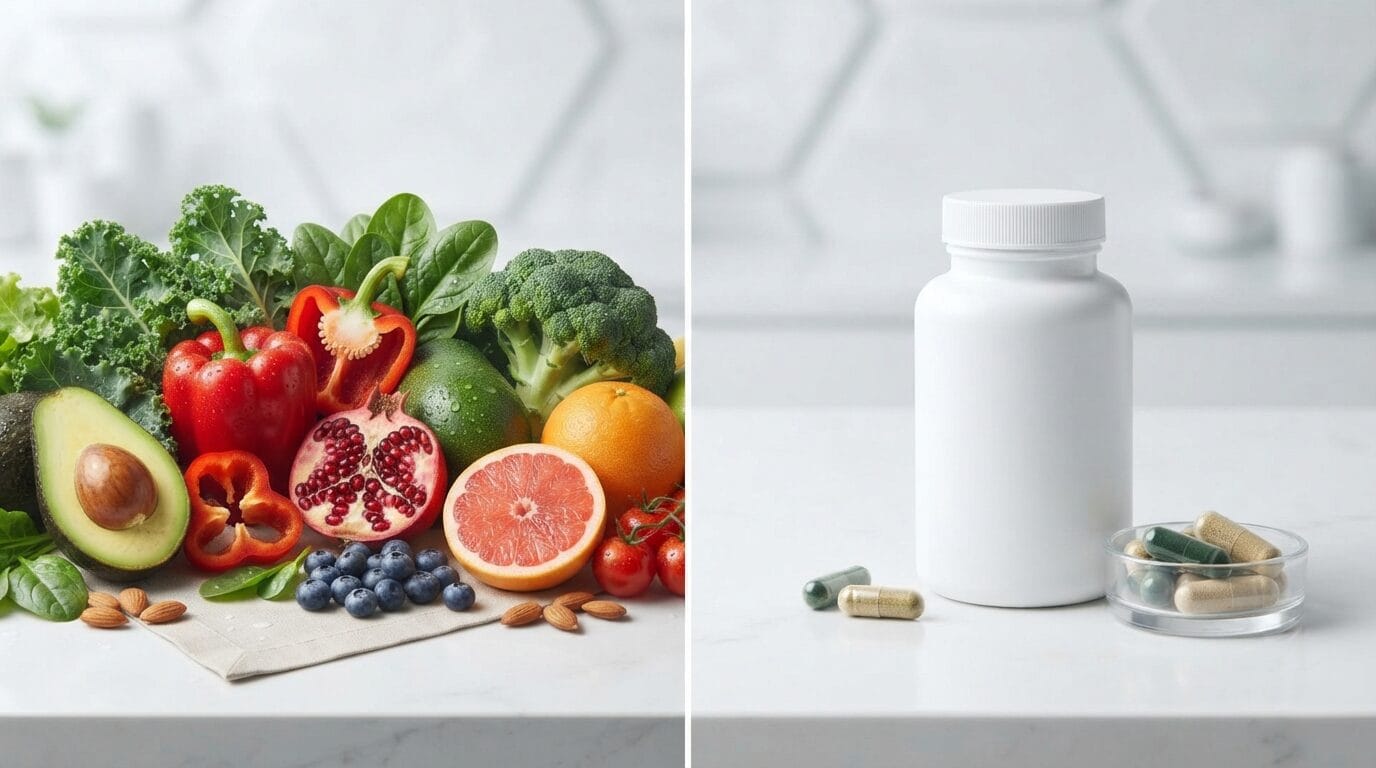
One of the most common questions is whether food or supplements are better. For most healthy adults, vitamin C-rich foods are the preferred source. Whole foods provide much more than vitamin C alone. They also contain:
- Fiber
- Potassium
- Folate
- Antioxidants
- Polyphenols
- Carotenoids
- Other beneficial plant compounds
These nutrients work together in ways that supplements cannot fully replicate. Supplements may be appropriate for individuals who:
- Have confirmed vitamin C deficiency.
- Cannot meet nutritional needs through diet.
- Have malabsorption disorders.
- Have increased nutritional requirements as determined by a healthcare professional.
For detailed guidance on choosing supplements, read our complete guide to Best Vitamin C Supplements.
Vitamin C Foods and Iron Absorption
Vitamin C does more than support immunity—it also helps your body absorb non-heme iron, the form of iron found in plant-based foods. This makes vitamin C particularly valuable for:
- Vegetarians
- Vegans
- Individuals at risk of iron deficiency
- Women of reproductive age
- People who consume mostly plant-based diets
Pairing foods rich in vitamin C with iron-rich foods can significantly improve iron absorption. Examples include:
Iron-Rich Food | Vitamin C Food to Pair With It |
Lentils | Bell peppers |
Spinach | Strawberries |
Chickpeas | Tomatoes |
Black beans | Kiwi |
Tofu | Broccoli |
Fortified cereals | Orange slices |
This simple strategy can help maximize the nutritional value of your meals.
For more information, see our guide on Vitamin C and Iron Absorption.