
Table of Contents
Learn how niacinamide for acne helps, controls oil, reduces inflammation, minimizes acne marks, and supports healthier skin. Evidence-based complete guide.
Acne is one of the most common skin conditions worldwide, affecting teenagers and adults alike. While many acne treatments focus solely on killing acne-causing bacteria or exfoliating clogged pores, modern dermatology increasingly recognizes the importance of supporting the skin barrier, controlling inflammation, and regulating oil production.
This is where niacinamide stands out.
Niacinamide, a form of Vitamin B3, has become one of the most recommended skincare ingredients for acne-prone skin. Unlike harsh acne treatments that may cause excessive dryness or irritation, niacinamide works by improving overall skin health while targeting several underlying factors that contribute to acne development.
Whether you struggle with occasional breakouts, persistent acne, oily skin, enlarged pores, or post-acne dark spots, understanding how niacinamide works can help you make informed skincare decisions.
In this comprehensive guide, we'll explore the science behind niacinamide, its role in acne management, dermatologist recommendations, evidence-based benefits, and how to use it effectively.
What Is Niacinamide?
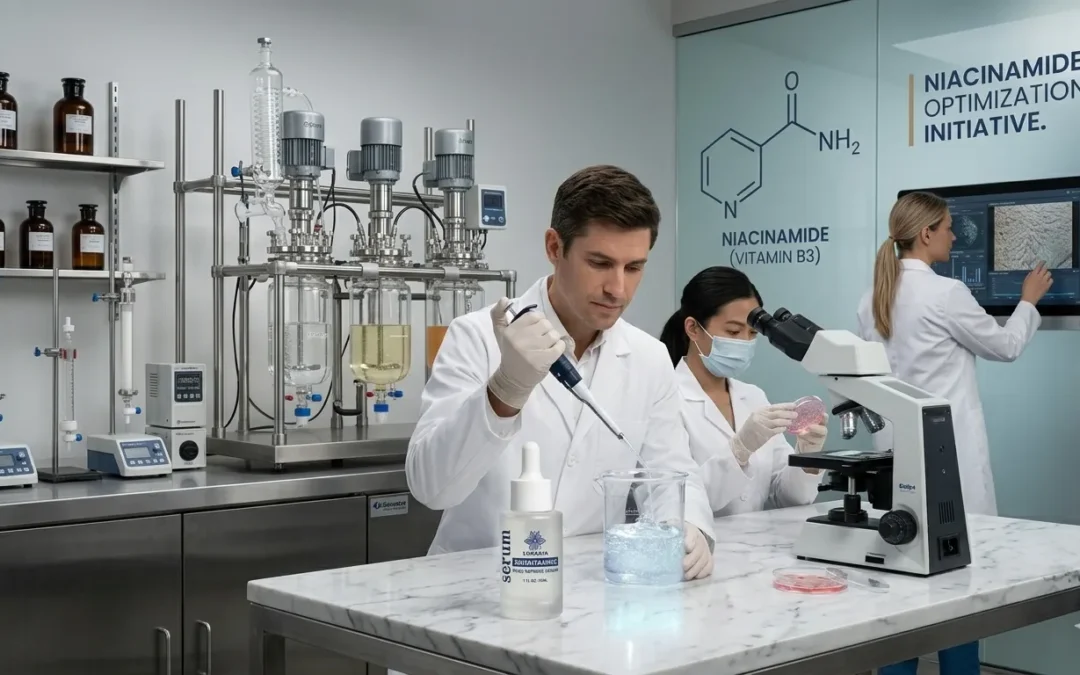
Niacinamide, also known as nicotinamide, is a biologically active form of Vitamin B3.
It plays an important role in:
- Cellular repair
- Energy metabolism
- Barrier function
- Inflammation regulation
- Skin hydration
Because acne develops through multiple biological pathways, niacinamide's ability to influence several of these pathways simultaneously makes it particularly valuable.
Understanding Acne Formation
What Causes Acne? Acne develops when several factors occur together:
Excess Sebum Production: Overactive oil glands produce excess sebum.
Clogged Pores: Dead skin cells and oil accumulate inside pores.
Bacterial Growth: Certain bacteria contribute to inflammation.
Inflammation: The immune response causes redness, swelling, and visible pimples.
Modern acne treatment focuses on addressing one or more of these mechanisms.
How Niacinamide Works for Acne
- Regulates Sebum Production
Excess oil is one of the primary contributors to acne.
Studies suggest niacinamide helps reduce excessive sebum production.
Benefits
- Less oily appearance
- Reduced pore congestion
- Lower likelihood of breakouts
- Reduces Inflammation
Inflammation drives many visible acne symptoms.
Niacinamide possesses anti-inflammatory properties that may help reduce:
- Redness
- Swelling
- Irritation
This makes it especially beneficial for inflammatory acne.
- Strengthens the Skin Barrier
Many acne treatments weaken the skin barrier.
Niacinamide increases ceramide production, helping maintain healthy barrier function.
Benefits
- Better moisture retention
- Reduced irritation
- Improved skin resilience
- Improves Post-Acne Marks
One of the most frustrating aspects of acne is the pigmentation that remains after breakouts heal.
Niacinamide helps reduce melanin transfer, improving:
- Post-inflammatory hyperpigmentation
- Acne marks
- Uneven skin tone
- Improves Pore Appearance
Although niacinamide does not physically shrink pores, it can reduce their visible appearance by improving skin texture and controlling oil production.
Scientific Evidence Supporting Niacinamide for Acne
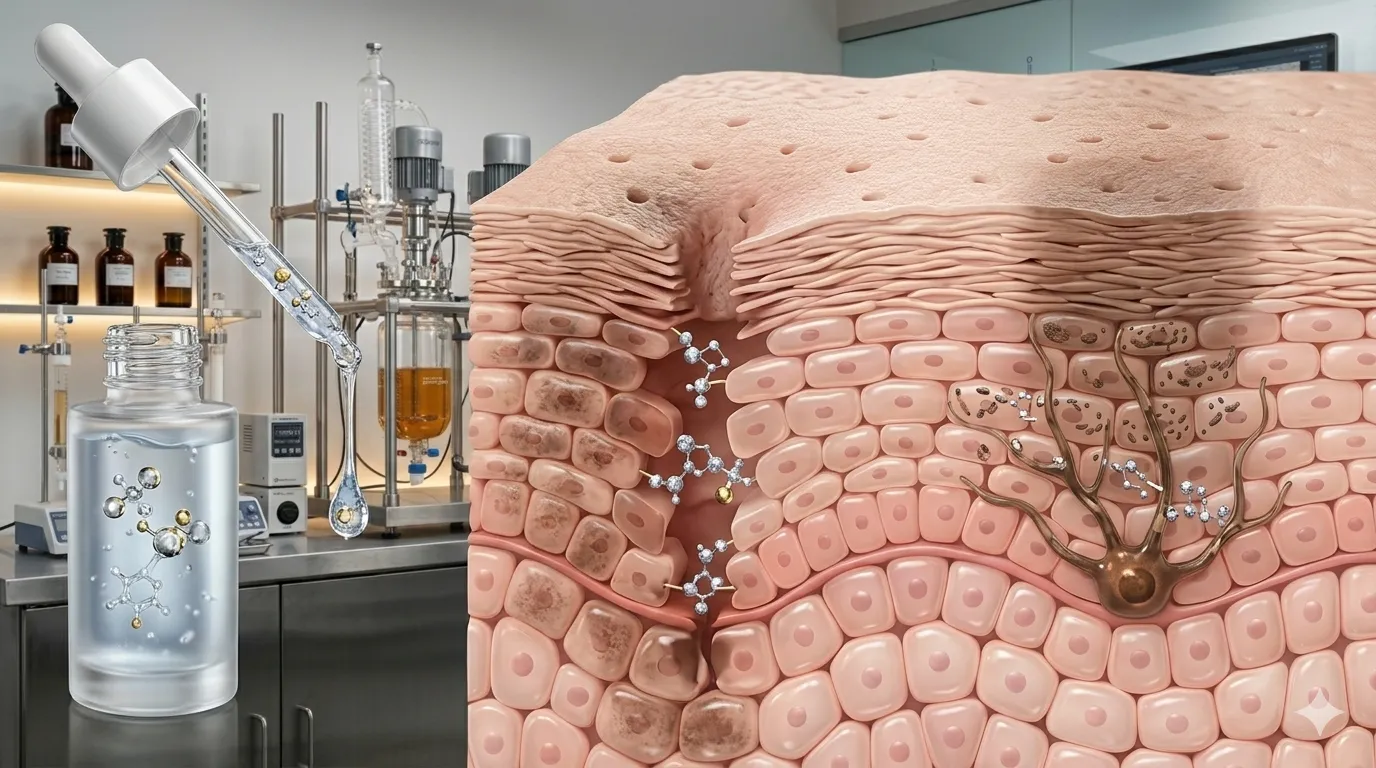
Several clinical studies have evaluated niacinamide's role in acne management. Research published in dermatology and cosmetic science journals has shown:
- Reduced oil production
- Improvement in inflammatory acne lesions
- Enhanced skin barrier function
- Reduction in redness
- Better tolerance when combined with acne medications
Some studies have even found topical niacinamide to perform comparably to certain topical antibiotics in mild-to-moderate acne management.
Benefits of Niacinamide for Acne-Prone Skin
Oil Control: Helps regulate excessive sebum.
Reduced Redness: Calms irritated skin.
Improved Barrier Health: Protects against dryness and irritation.
Better Hydration: Supports moisture balance.
Fewer Post-Acne Marks: Helps fade pigmentation.
Improved Texture: Promotes smoother-looking skin.
Enhanced Tolerance: Can reduce irritation associated with stronger acne treatments.
Types of Acne Niacinamide May Help
Mild Acne: Often responds well to niacinamide-containing skincare.
Inflammatory Acne: Can help reduce redness and swelling.
Adult Acne: Useful for balancing oil while supporting aging skin.
Hormonal Acne: May help manage symptoms but usually requires broader treatment.
Acne Marks and Pigmentation: Particularly beneficial for post-inflammatory hyperpigmentation.
Effective Solutions
MEDICAL SOLUTIONS
Dermatologists may combine niacinamide with:
- Retinoids
- Benzoyl peroxide
- Azelaic acid
- Prescription acne treatments
Benefits: Comprehensive acne management
Limitations: Severe acne may require oral medications
DERMATOLOGIST RECOMMENDATIONS
Most dermatologists recommend niacinamide because it:
- Supports barrier function
- Improves tolerance to active treatments
- Addresses multiple acne-related concerns
SKINCARE SOLUTION'S
Daily Niacinamide Serum
A well-formulated serum can be incorporated into most routines.
Moisturizers with Niacinamide
Provide hydration and barrier support.
Lifestyle Improvements
Sleep: Poor sleep can worsen inflammation.
Diet: Balanced nutrition supports skin health.
STRESS MANAGEMENT
Stress may contribute to breakouts.
Sun Protection: Prevents post-acne marks from darkening.
Best Ingredients to Combine with Niacinamide
| Ingredient | Benefits | Scientific Evidence |
| Salicylic Acid | Unclogs pores | Strong |
| Azelaic Acid | Acne and pigmentation | Strong |
| Retinol | Cell turnover | Strong |
| Ceramides | Barrier support | Strong |
| Hyaluronic Acid | Hydration | Strong |
| Zinc PCA | Oil regulation | Moderate |
| Vitamin C | Brightening | Strong |
| Licorice Extract | Redness reduction | Moderate |
| Green Tea Extract | Antioxidant support | Moderate |
| Benzoyl Peroxide | Acne treatment | Strong |
Niacinamide for Acne - Best Concentration
2%–5% : Suitable for:
- Sensitive skin
- Beginners
- Daily use
5% : Often considered ideal for most acne-prone skin.
10% : May provide additional benefits for:
- Oily skin
- Enlarged pores
- Acne marks
Higher concentrations may increase irritation risk for some individuals.
Precautions & Expert Tips
- Start with lower concentrations.
- Introduce one active ingredient at a time.
- Use sunscreen daily.
- Avoid picking pimples.
- Maintain a consistent routine.
- Use gentle cleansers.
- Avoid harsh scrubbing.
- Moisturize regularly.
- Patch-test new products.
- Don't expect overnight results.
- Stay hydrated.
- Wash pillowcases regularly.
- Avoid excessive exfoliation.
- Monitor irritation signs.
- Combine with dermatologist-approved treatments.
- Protect skin from UV exposure.
- Avoid over-layering actives.
- Treat acne early.
- Prioritize barrier health.
- Seek professional help for severe acne.
Myths vs Facts
Myth | Fact |
Niacinamide cures acne overnight | Results require consistency |
Niacinamide only works for oily skin | All skin types can benefit |
Higher percentages always work better | Moderate concentrations often suffice |
Niacinamide replaces acne medication | Severe acne may require medical treatment |
Niacinamide dries the skin | It supports hydration |
Niacinamide shrinks pores permanently | It reduces their appearance |
Acne-prone skin shouldn't moisturize | Moisturizing supports barrier health |
Niacinamide only helps active acne | It also helps acne marks |
Results appear in days | Improvements often take weeks |
Niacinamide is harsh | Most users tolerate it well |
Frequently Asked Questions
Does niacinamide help acne?
Yes. Research suggests it may reduce inflammation, regulate oil production, and improve skin barrier function.
Is niacinamide good for oily skin?
Yes. It is commonly used to help regulate sebum production.
How long does niacinamide take to work?
Many users notice improvements within 4–12 weeks.
Is niacinamide safe for sensitive skin?
Most people tolerate niacinamide well, especially at lower concentrations.
Is niacinamide effective for hormonal acne?
It may help manage symptoms but does not address hormonal causes directly.
Can niacinamide prevent breakouts?
It may help reduce conditions that contribute to breakouts, particularly excess oil and inflammation.
Can niacinamide reduce acne scars?
It may help improve post-inflammatory hyperpigmentation but cannot completely remove deep acne scars.
Can I use niacinamide every day?
Yes. Daily use is generally recommended.
What percentage is best for acne?
Many dermatologists recommend 5%, while 10% may be useful for some individuals.
Does niacinamide help blackheads?
Its oil-regulating properties may reduce factors contributing to blackhead formation.
Expert Insight
Dermatologists increasingly recommend niacinamide for acne because it addresses several acne-related pathways while remaining gentle enough for long-term use.
Evidence-Based Findings
Clinical research demonstrates improvements in oil regulation, inflammation reduction, barrier function, and post-acne pigmentation.
Safety Considerations
- Generally well tolerated
- Suitable for most skin types
- Supports long-term skin health
- Works best when combined with sunscreen
Expert Summary
Niacinamide for acne is one of the most versatile ingredients available for acne-prone skin. By helping regulate oil production, reduce inflammation, strengthen the skin barrier, and improve post-acne pigmentation, it addresses multiple factors involved in acne development. While not a cure for severe acne, it serves as a valuable component of a comprehensive skincare routine.
Conclusion
Acne is a complex condition influenced by oil production, inflammation, pore congestion, and skin barrier health. Niacinamide offers a unique evidence-based approach by targeting several of these factors simultaneously.
Its ability to improve skin tolerance, reduce acne-related redness, regulate sebum, and fade post-acne marks makes it one of the most valuable ingredients in modern skincare. For individuals seeking a well-rounded, dermatologist-supported solution for acne-prone skin, niacinamide for acne remains one of the most effective and versatile options available.
Scientific References
- National Library of Medicine (PubMed). Topical Niacinamide in Acne Management.
- Journal of Cosmetic Dermatology (2023). Niacinamide and Acne-Prone Skin.
- International Journal of Cosmetic Science (2022). Barrier Function and Niacinamide.
- American Academy of Dermatology (AAD). Acne Treatment Guidelines.
- American Journal of Clinical Dermatology. Emerging Acne Therapies.
- NIH Office of Dietary Supplements. Vitamin B3 Research.
- British Journal of Dermatology. Acne Pathophysiology Review.
- Mayo Clinic. Acne Causes and Treatment.
- Cleveland Clinic. Acne and Skin Barrier Health.
- Journal of Clinical and Aesthetic Dermatology. Niacinamide in Dermatology.