
Table of Contents
By Dr. Aamir
Herbal Physician | MPhil in Phytomedicine (Gold Medal)
Bachelor of Eastern Medicine & Surgery (Silver Medal)
Former Faculty, The Islamia University of Bahawalpur & Kohat University of Science & Technology (KUST)
Reviewed using peer-reviewed scientific research, dermatology guidelines, and evidence from reputable medical organizations.
Have you ever noticed dark patches, acne marks, or uneven skin tone that seem to linger for months? These changes are often caused by hyperpigmentation, one of the most common skin concerns affecting people of all ages and skin types.
Hyperpigmentation can develop gradually due to sun exposure, acne, hormonal fluctuations, inflammation, or skin injuries. While generally harmless, it can significantly affect confidence and overall skin appearance.
Understanding why hyperpigmentation occurs—and how to treat it effectively—is essential for achieving healthier, more even-toned skin. This comprehensive guide explains the science, causes, prevention strategies, and evidence-based treatments recommended by dermatologists worldwide.
Quick Answer
Hyperpigmentation is a skin condition in which certain areas become darker than the surrounding skin due to excess melanin production. Common causes include sun exposure, acne, inflammation, hormonal changes, and aging. Effective management typically involves sunscreen, targeted skincare ingredients, professional treatments, and consistent skin protection.
What Is Hyperpigmentation?
Hyperpigmentation refers to areas of skin that become darker than the surrounding skin due to an increase in melanin, the natural pigment responsible for skin, hair, and eye color.
The condition may appear as:
- Small dark spots
- Large patches
- Acne marks
- Sun spots
- Brown, gray, or black discoloration
Hyperpigmentation can affect any skin tone but may be more noticeable and persistent in individuals with medium to darker complexions.
Understanding the Science Behind Pigmentation
What Is Melanin?
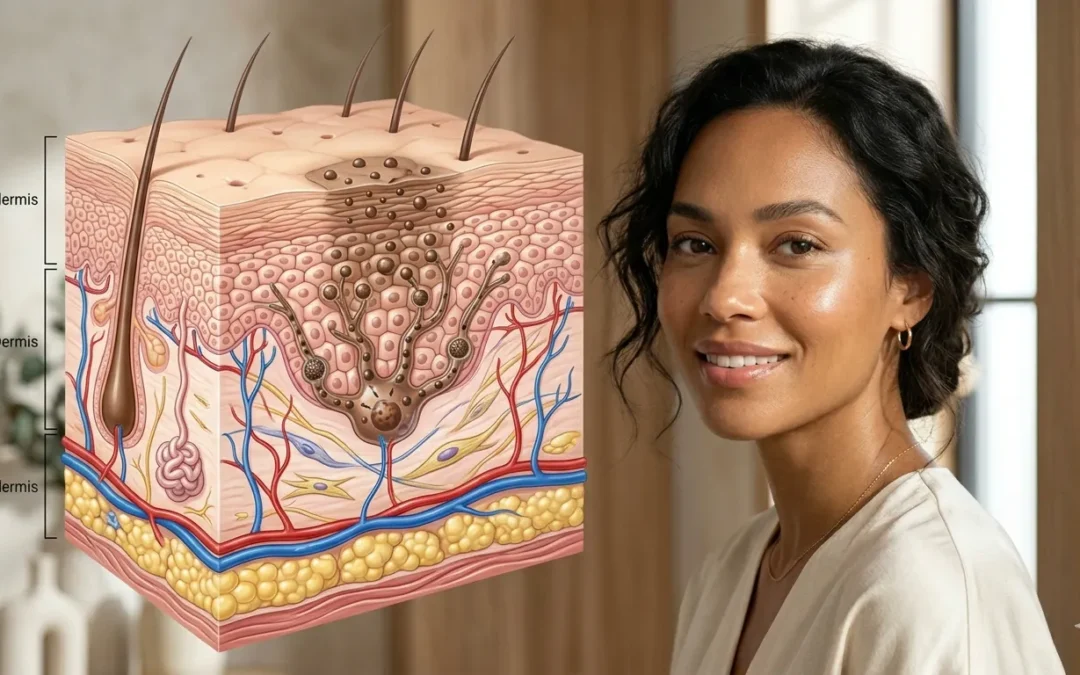
Melanin is a pigment produced by specialized skin cells called melanocytes. Its primary function is to protect the skin from ultraviolet (UV) radiation. When the skin is exposed to triggers such as:
- Sunlight
- Inflammation
- Hormonal changes
- Injury
the melanocytes may increase melanin production. This excess pigment accumulates within the skin, creating visible darkened areas.
How Hyperpigmentation Develops
The process generally follows these steps:
- Skin experiences a trigger.
- Inflammatory or hormonal signals activate melanocytes.
- Melanocytes produce excess melanin.
- Melanin accumulates unevenly.
- Dark spots or patches become visible.
Types of Hyperpigmentation

- Post-Inflammatory Hyperpigmentation (PIH)
Occurs after:
- Acne, Eczema, Psoriasis, Skin injuries
- Cosmetic procedures, Often appears as flat brown or dark marks.
- Melasma
Melasma is a chronic pigmentation disorder linked to:
- Hormonal fluctuations
- Pregnancy
- Birth control pills
- Sun exposure
Usually affects:
- Cheeks, Forehead, Upper lip, and Chin
- Sunspots (Solar Lentigines)
Also known as:
- Age spots
- Liver spots
Caused by years of UV exposure. Commonly appear on:
- Face
- Hands
- Neck
- Chest
- Freckles
Small pigmented spots influenced by genetics and sunlight exposure.
Common Problems Related to Hyperpigmentation
Visible Symptoms
- Dark patches
- Uneven complexion
- Persistent acne marks
- Brown spots
- Patchy skin tone
Hidden Effects
- Chronic UV damage
- Ongoing inflammation
- Skin barrier disruption
Emotional Impact: Many individuals report:
- Reduced self-confidence
- Social anxiety
- Frustration with slow improvement
Long-Term Consequences: Without proper protection, pigmentation may:
- Become more stubborn
- Spread further
- Recur repeatedly
Major Causes of Hyperpigmentation
Sun Exposure: UV radiation is the leading cause of pigmentation disorders.
Repeated exposure stimulates melanin production as a protective response.
Hormonal Factors: Hormones can influence melanocyte activity. Examples include:
- Pregnancy
- Hormonal therapy
- Oral contraceptives
Inflammation
Inflammatory skin conditions often leave dark marks after healing. Examples:
- Acne
- Dermatitis
- Allergic reactions
Skin Trauma: Pigmentation may develop after:
- Scratching
- Burns
- Cuts
- Aggressive treatments
GENETICS: Some individuals have a genetic predisposition to developing pigmentation issues.
AGING: Long-term UV exposure accumulates over decades, increasing the likelihood of age spots.
Nutritional and Lifestyle Factors
Poor sleep, chronic stress, smoking, and inadequate antioxidant intake may worsen pigmentation indirectly.
Effective Solutions
Medical Solutions
Prescription Treatments
Dermatologists may recommend:
- Hydroquinone
- Tretinoin
- Azelaic acid
- Triple-combination creams
Benefits
- Faster improvement
- Strong evidence support
Limitations
- Potential irritation
- Requires professional supervision
Dermatologist Treatments
Chemical Peels
Help accelerate skin renewal.
Laser Therapy
Targets pigment deposits with precision.
Microneedling
May improve pigment distribution and skin texture.
Benefits
- Effective for stubborn pigmentation
Limitations
- Cost
- Downtime
- Risk of irritation
Skincare Solutions
Daily Sunscreen: The most important step in pigmentation management.
Benefits
- Prevents worsening
- Supports treatment success
Limitations: Requires daily use
Ingredient-Based Solutions
Niacinamide: Reduces pigment transfer.
Vitamin C: Brightens skin and provides antioxidant protection.
Retinoids: Promote skin turnover.
Azelaic Acid: Targets uneven pigmentation and acne.
Licorice Extract: Helps calm inflammation and reduce discoloration.
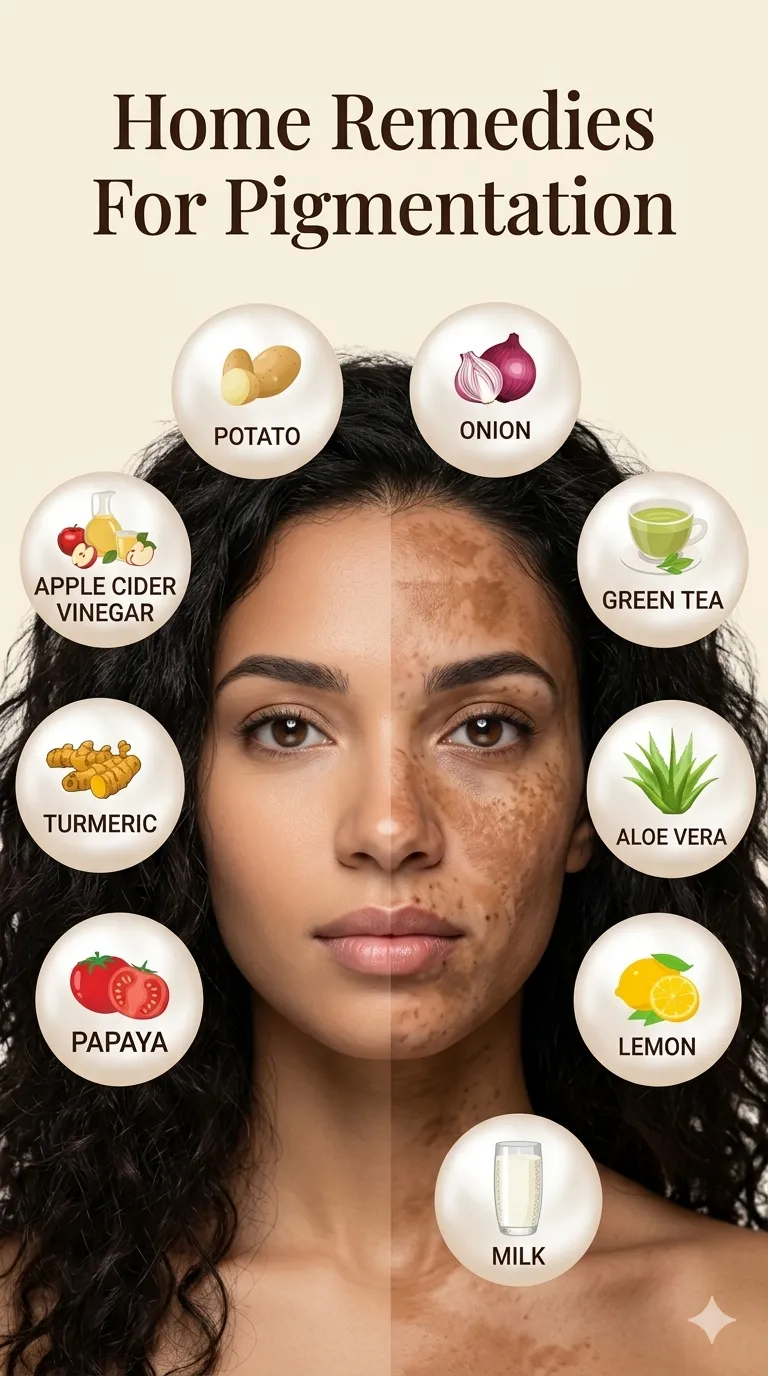
Natural Remedies (Evidence-Based)
Some ingredients show supportive evidence:
- Licorice extract
- Green tea polyphenols
- Soy extracts
- Aloe vera
Natural remedies may provide gradual benefits but are usually less effective than clinically proven treatments.
Lifestyle Improvements
- Wear protective clothing
- Avoid excessive sun exposure
- Maintain a balanced diet
- Prioritize sleep
- Manage stress
Best Skincare Ingredients for Hyperpigmentation
| Ingredient | Benefits | Scientific Evidence |
| Niacinamide | Reduces pigment transfer | Strong clinical support |
| Vitamin C | Brightening, antioxidant protection | Well-studied |
| Retinol | Accelerates skin renewal | Extensive evidence |
| Azelaic Acid | Reduces pigmentation and inflammation | Strong evidence |
| Licorice Extract | Brightening effects | Moderate evidence |
| Tranexamic Acid | Useful for melasma | Growing evidence |
| Kojic Acid | Inhibits melanin production | Moderate evidence |
| Alpha Arbutin | Brightening support | Promising studies |
| Salicylic Acid | Exfoliation and acne management | Strong evidence |
| Glycolic Acid | Improves skin turnover | Well-established |
| Hyaluronic Acid | Supports skin barrier hydration | Strong evidence |
| Ceramides | Protect barrier function | Strong evidence |
Precautions & Expert Tips
- Wear sunscreen daily.
- Reapply sunscreen every 2 hours outdoors.
- Avoid picking acne lesions.
- Use gentle cleansers.
- Introduce active ingredients gradually.
- Patch-test new products.
- Avoid over-exfoliation.
- Wear hats outdoors.
- Use antioxidants regularly.
- Keep skin moisturized.
- Follow consistent routines.
- Avoid harsh scrubs.
- Seek professional advice for severe pigmentation.
- Treat acne early.
- Limit tanning exposure.
- Avoid DIY acid treatments.
- Use retinoids carefully.
- Protect skin after cosmetic procedures.
- Maintain healthy sleep habits.
- Be patient—pigmentation improvement takes time.
Myths vs Facts
Myth | Fact |
Hyperpigmentation is dangerous | Usually harmless |
Dark spots disappear overnight | Improvement takes months |
Only older people get pigmentation | All ages can be affected |
Sunscreen is optional | Sunscreen is essential |
Natural remedies always work | Evidence varies |
Scrubbing removes pigmentation | Can worsen irritation |
Vitamin C works instantly | Results require consistency |
Hyperpigmentation only affects the face | Can occur anywhere |
One treatment suits everyone | Treatment depends on cause |
Pigmentation never returns | Recurrence is possible |
Expert Insight
Dermatologists consistently identify UV protection as the foundation of hyperpigmentation prevention and treatment.
Evidence-Based Findings
Research shows that ingredients such as niacinamide, retinoids, vitamin C, azelaic acid, and tranexamic acid can significantly improve pigmentation when used consistently.
Safety Considerations
- Avoid excessive exfoliation.
- Follow product instructions carefully.
- Seek medical guidance for persistent or severe pigmentation.
- Use sun protection alongside all pigmentation treatments.
Expert Summary
Hyperpigmentation is a common but manageable skin concern caused by excess melanin production. Sun exposure, inflammation, hormones, and aging are among the primary triggers. Effective management combines sunscreen, targeted skincare ingredients, healthy lifestyle habits, and, when necessary, professional dermatological treatments.
Frequently Asked Questions
Is hyperpigmentation permanent?
Most cases improve with consistent treatment and sun protection, though stubborn pigmentation may require professional intervention.
Does sunscreen help hyperpigmentation?
Yes. Sunscreen prevents existing pigmentation from worsening and reduces recurrence.
How long does it take to fade pigmentation?
Mild cases may improve within weeks, while deeper pigmentation can take several months.
Is melasma the same as hyperpigmentation?
Melasma is a specific type of hyperpigmentation often linked to hormones.
Does skin tone affect treatment?
Yes. Treatment plans may differ based on skin type and pigmentation depth.
Does vitamin C lighten skin?
Vitamin C helps brighten uneven skin tone rather than changing natural skin color.
Is laser treatment safe?
When performed by qualified professionals, laser treatments can be effective and safe.
What causes dark spots after acne?
Inflammation triggers excess melanin production during the healing process.
Which ingredient works best for hyperpigmentation?
Niacinamide, vitamin C, retinoids, azelaic acid, and tranexamic acid are among the most studied options.
Can hyperpigmentation return?
Yes. Continued UV exposure or inflammation may trigger recurrence.
Can diet affect pigmentation?
A nutrient-rich diet supports overall skin health but is not a standalone treatment.
Can pregnancy cause pigmentation?
Yes. Hormonal changes commonly trigger melasma during pregnancy.
Can stress worsen pigmentation?
Indirectly, yes. Chronic stress can influence inflammation and skin health.
Are chemical peels effective?
They can improve pigmentation by promoting skin renewal when performed appropriately.
Conclusion
Hyperpigmentation affects millions of people worldwide and can appear in many forms, including acne marks, melasma, and sun spots. Although it can be frustrating, modern dermatology offers numerous evidence-based solutions.
The key to success is identifying the underlying cause, maintaining a consistent skincare routine, protecting the skin from UV exposure, and choosing scientifically supported treatments. With patience and informed care, achieving a more even and healthy-looking complexion is possible.
About the Author
Dr. Aamir is a Herbal Physician with a Bachelor of Eastern Medicine & Surgery (Silver Medal) and an MPhil in Phytomedicine (Gold Medal). He previously served as a faculty member at The Islamia University of Bahawalpur and Kohat University of Science & Technology (KUST). Through aamirwellness.com and aamirnaturals.com, he publishes evidence-based educational content on skincare, hair care, herbal medicine, nutrition, and wellness, drawing on peer-reviewed scientific research and established clinical guidelines.
Scientific References
- Sathe NC, Launico MV. Melasma. [Updated 2026 Jan 31]. In: StatPearls [Internet]. Treasure Island (FL): StatPearls Publishing; 2026 Jan-. Available from: https://www.ncbi.nlm.nih.gov/books/NBK459271/
- American Academy of Dermatology (AAD). Hyperpigmentation Overview.
- National Library of Medicine (PubMed). Melasma: Pathogenesis and Treatment, 2023.
- Journal of Cosmetic Dermatology. Niacinamide and Skin Pigmentation, 2022.
- American Journal of Clinical Dermatology. Management of Hyperpigmentation Disorders, 2021.
- British Journal of Dermatology. Advances in Pigmentation Research, 2022.
- International Journal of Cosmetic Science. Cosmetic Ingredients for Hyperpigmentation, 2021.
- Harvard Medical School. Skin Pigmentation and UV Exposure Review.
- Mayo Clinic. Hyperpigmentation Causes and Treatment.
- Cleveland Clinic. Melasma and Dark Spot Management.
- National Institutes of Health (NIH). Melanin Biology and Skin Health.