Dandruff Treatment: Best Anti Dandruff Shampoo & Expert Guide

Dandruff Treatment: Best Anti Dandruff Shampoo & Expert Guide

Dandruff Treatment: The Complete Evidence-Based Guide to a Healthy, Flake-Free Scalp

By Dr. Aamir Raza

Herbal Physician | MPhil in Phytomedicine (Gold Medal)
Bachelor of Eastern Medicine & Surgery (Silver Medal)
Former Faculty, The Islamia University of Bahawalpur & Kohat University of Science & Technology (KUST)

Reviewed using peer-reviewed scientific research, dermatology guidelines, and evidence from reputable medical organizations.

Dr. Aamir Raza Khan Image

Why Trust This Article?

Dandruff is one of the most common scalp conditions worldwide, affecting people of all ages. This article has been prepared by Dr. Aamir Raza, a qualified herbal physician and former university faculty member, using evidence from peer-reviewed dermatology journals, clinical guidelines, and authoritative organizations. Healthy hair begins with a healthy scalp—and taking the right steps today can make a noticeable difference in your comfort, confidence, and overall hair health.

Table of Contents

If you've ever noticed white flakes on your shoulders or struggled with an itchy scalp, you're far from alone. Dandruff is one of the most common scalp conditions worldwide, affecting millions of people regardless of age, gender, or hair type. While it isn't contagious or life-threatening, persistent dandruff can cause discomfort, embarrassment, and even contribute to increased hair shedding when left untreated.

Fortunately, effective dandruff treatment is possible. Advances in dermatological research have helped experts better understand the causes of dandruff and develop targeted solutions, including anti dandruff shampoo formulations and medicated dandruff shampoo options that address the root cause rather than simply masking symptoms.

Many people mistakenly believe dandruff results from poor hygiene. In reality, the condition is much more complex. Factors such as scalp microbiome imbalance, excess oil production, skin sensitivity, genetics, environmental conditions, and yeast overgrowth all play important roles in the development of dandruff.

This comprehensive guide explores:

  • What dandruff actually is
  • The leading causes of dandruff
  • The difference between dry scalp and dandruff
  • Why dandruff may contribute to hair fall
  • How medicated shampoos work
  • The best evidence-based treatment options
  • Practical lifestyle tips for maintaining a healthy scalp

Whether you're dealing with occasional flakes or persistent scalp irritation, understanding the science behind dandruff is the first step toward lasting relief.

What Is Dandruff?

Dandruff is a chronic scalp condition characterized by excessive shedding of dead skin cells from the scalp. These flakes are often accompanied by itching, irritation, redness, and inflammation.

Under normal circumstances, skin cells naturally regenerate and shed over time. However, in individuals with dandruff, this renewal cycle becomes accelerated. Instead of taking several weeks, skin cells mature and shed within just a few days. These immature cells clump together with natural scalp oils, forming the visible white or yellowish flakes associated with dandruff.

The process is strongly linked to an overgrowth of Malassezia, a naturally occurring yeast that lives on most people's scalps. While this microorganism is harmless for many individuals, some people develop an inflammatory response that disrupts normal skin turnover.

Contrary to popular belief, dandruff is not caused by poor hygiene alone. Washing your hair less frequently may make flakes more noticeable, but it is rarely the underlying cause.

How Common Is Dandruff?

Dandruff affects nearly half of the adult population at some point in their lives, making it one of the most prevalent dermatological conditions worldwide. It commonly develops:

  • During adolescence
  • In early adulthood
  • Between the ages of 20 and 50
  • In individuals with oily scalps
  • During periods of stress
  • In colder, drier climates

Although dandruff can affect anyone, several factors may increase the likelihood of developing persistent symptoms. These include:

  • Oily skin
  • Hormonal changes
  • Neurological disorders
  • Weakened immune function
  • Family history
  • Infrequent shampooing
  • High stress levels

The good news is that most cases respond well to consistent treatment with the right medicated anti dandruff shampoo and appropriate scalp care.

What Causes Dandruff?

Dandruff is rarely caused by a single factor. Instead, it develops through a combination of biological, environmental, and lifestyle influences. Let's examine the primary causes.

Malassezia Yeast Overgrowth

One of the most well-established causes of dandruff is an overgrowth of Malassezia yeast.

This naturally occurring fungus feeds on sebum, the oil produced by your scalp. As it breaks down these oils, it creates by-products that can irritate sensitive skin.

For some individuals, this irritation triggers inflammation, itching, and an accelerated turnover of skin cells.

This explains why antifungal ingredients found in many medicated dandruff shampoo products are highly effective at reducing symptoms.

Excess Oil Production

People with oily scalps are generally more prone to dandruff.

Sebum itself is not harmful—in fact, it helps protect and moisturize the scalp. However, excessive oil creates an ideal environment for Malassezia yeast to thrive.

As yeast populations increase, inflammation becomes more likely, leading to visible flakes.

This is why oily dandruff often requires shampoos specifically formulated with antifungal agents.

Dry Skin

Not every flaky scalp is caused by dandruff. Many people experience dry scalp and dandruff simultaneously, but they are distinct conditions.

Dry skin results from insufficient moisture, whereas dandruff involves inflammation and abnormal skin turnover.

Cold weather, indoor heating, harsh shampoos, and dehydration can all contribute to a dry scalp. Understanding this distinction is essential because treatments differ significantly.

Seborrheic Dermatitis

More severe dandruff may actually represent a mild form of seborrheic dermatitis. This inflammatory skin disorder affects areas rich in oil glands, including:

  • The scalp
  • Eyebrows
  • Nose
  • Ears
  • Beard
  • Chest

Symptoms often include:

  • Redness
  • Greasy scales
  • Persistent itching
  • Yellowish flakes

Individuals with seborrheic dermatitis often benefit from prescription-strength or medicated anti dandruff shampoo products containing ketoconazole or selenium sulfide.

Sensitivity to Hair Products

Certain styling products may trigger scalp irritation. Common culprits include:

  • Hair sprays
  • Gels
  • Fragranced shampoos
  • Hair dyes
  • Alcohol-based styling products

This condition, known as contact dermatitis, can mimic dandruff symptoms. If flakes appear shortly after changing products, consider whether irritation rather than true dandruff may be responsible.

Weather and Seasonal Changes

Many people notice worsening dandruff during winter. Cold temperatures combined with dry indoor heating reduce scalp moisture while altering the scalp's protective barrier.

In contrast, warm and humid weather may increase oil production, encouraging yeast growth. These seasonal fluctuations often explain why dandruff severity changes throughout the year.

Stress

Stress doesn't directly cause dandruff, but it can make existing symptoms significantly worse. Psychological stress influences immune function and inflammatory pathways throughout the body, including the skin.

Many dermatologists observe that dandruff flare-ups frequently coincide with periods of:

  • Work-related stress
  • Sleep deprivation
  • Illness
  • Emotional challenges

Managing stress can therefore become an important part of long-term scalp health.

Signs and Symptoms of Dandruff

Dandruff presents differently from person to person, but several symptoms are particularly common. These include:

  • White flakes on hair and clothing
  • Persistent scalp itching
  • Mild redness
  • Oily patches on the scalp
  • Dry-looking flakes
  • Tight scalp sensation
  • Mild inflammation
  • Occasional scalp tenderness

Some individuals experience only cosmetic flakes, while others develop severe itching that interferes with daily life. Persistent symptoms lasting several months should be evaluated by a healthcare professional to rule out other scalp disorders.

Types of Dandruff

Understanding the different forms of dandruff helps determine the most appropriate treatment.

Dry Dandruff

Dry dandruff produces small, lightweight white flakes that easily fall from the scalp. People with dry dandruff often experience:

  • Tight skin
  • Increased flaking after shampooing
  • Symptoms during winter
  • Minimal oiliness

Dry dandruff is frequently confused with dry scalp, but true dandruff still involves accelerated skin turnover.

Oily Dandruff

Oily dandruff develops when excess sebum combines with dead skin cells.

The flakes tend to:

  • Be larger
  • Appear yellowish
  • Stick to the scalp
  • Feel greasy
  • Cause noticeable itching

This type typically responds best to a medicated dandruff shampoo containing antifungal ingredients.

Seborrheic Dandruff

The most inflammatory form is associated with seborrheic dermatitis.

Symptoms include:

  • Thick scales
  • Persistent redness
  • Inflamed skin
  • Greasy flakes
  • Chronic recurrence

Medical evaluation may be necessary if over-the-counter treatments fail to improve symptoms after several weeks.

Dry Scalp and Dandruff: What's the Difference?
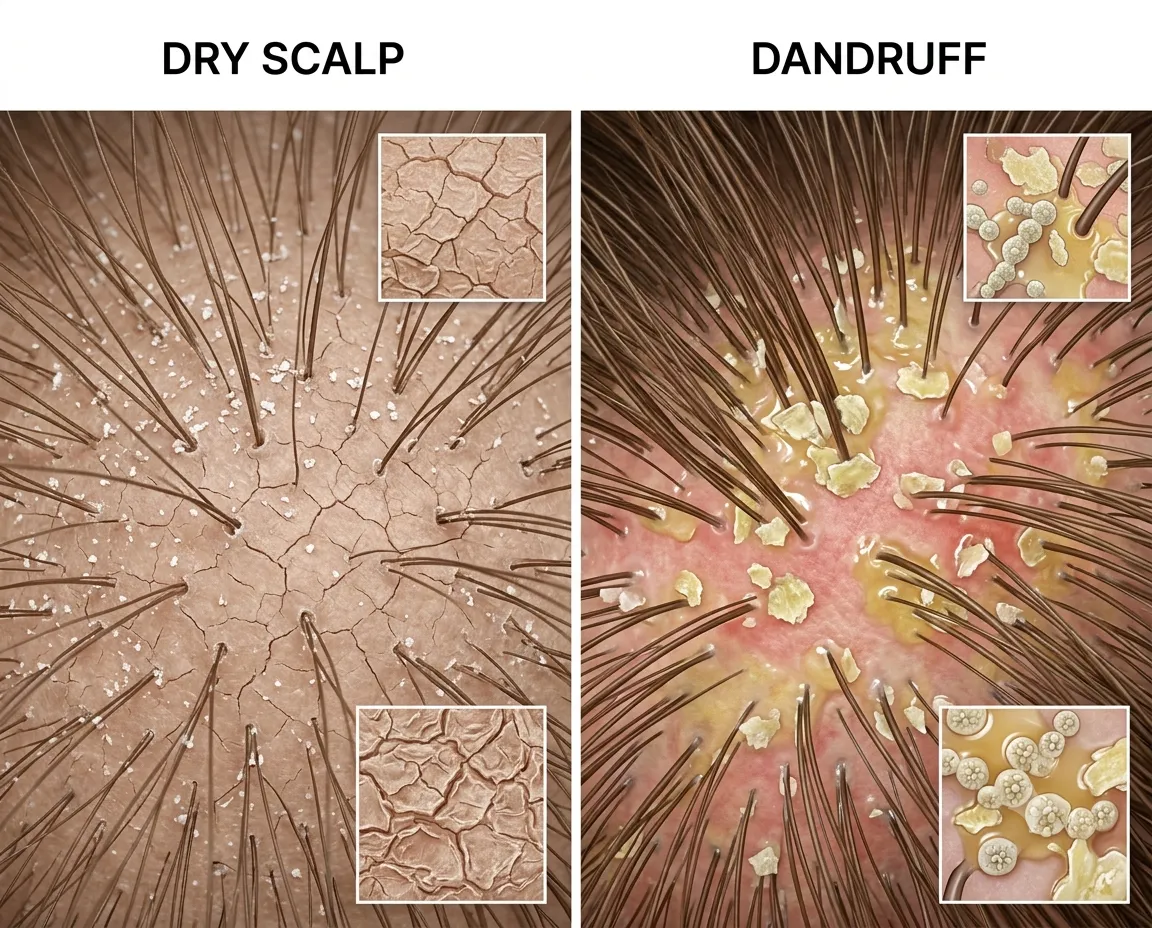
Microscopic view of an oily dandruff scalp transitioning to a clear, healthy skin barrier.

Many people search for information about dry scalp and dandruff, assuming they are the same condition. While both produce flakes, the underlying causes differ considerably.

Dry ScalpDandruff
Lack of moistureExcess skin turnover
Small, dry flakesWhite or yellow flakes
Little inflammationOften itchy and inflamed
Usually improves with moisturizationRequires targeted dandruff treatment
Often seasonalCan occur year-round

Choosing the wrong treatment may worsen symptoms. For example, applying heavy oils to fungal dandruff may encourage yeast growth, while using strong medicated shampoos on simple dry skin may increase irritation. Correct diagnosis is therefore essential for effective treatment.

Can Dandruff Cause Hair Fall?

One of the most common concerns among patients is whether hairfall due to dandruff is real. The answer is nuanced. Dandruff itself does not directly destroy hair follicles. However, persistent inflammation and excessive scratching can contribute to temporary hair shedding.

Here's how it happens:

  • Chronic itching leads to scratching.
  • Scratching damages the scalp surface.
  • Inflammation weakens the hair environment.
  • Hair enters the shedding phase more frequently.

The encouraging news is that this type of hair loss is generally reversible once dandruff is effectively controlled. Treating the underlying scalp condition often reduces excessive shedding and supports healthier hair growth over time.

The Best Dandruff Treatment Options Backed by Science

Successfully managing dandruff requires treating its underlying causes rather than simply removing visible flakes. While cosmetic shampoos may temporarily improve your scalp's appearance, they often fail to control the yeast overgrowth, inflammation, or excessive skin cell turnover responsible for recurring dandruff.

Today, dermatologists recommend a combination of medicated shampoos, proper scalp hygiene, and healthy lifestyle habits for long-term control. Let's explore the most effective treatment options available

Anti Dandruff Shampoo

For most people, using a high-quality anti dandruff shampoo is the first and most effective step toward controlling dandruff.

Unlike regular shampoos that primarily cleanse the hair, anti-dandruff shampoos contain active ingredients specifically designed to:

  • Reduce fungal overgrowth
  • Slow excessive skin cell production
  • Calm scalp inflammation
  • Remove accumulated flakes
  • Relieve itching
  • Restore the scalp's natural barrier

Consistency is essential. Even if symptoms improve after a few washes, stopping treatment too early may allow dandruff to return.

Most dermatologists recommend using an anti-dandruff shampoo two to three times per week during active flare-ups before switching to a maintenance schedule.

Medicated Dandruff Shampoo

Persistent or moderate-to-severe dandruff often requires a medicated dandruff shampoo. These shampoos contain clinically proven active ingredients that target the biological mechanisms responsible for dandruff rather than simply masking symptoms.

Common medicated ingredients include:

  • Ketoconazole
  • Zinc Pyrithione
  • Selenium Sulfide
  • Salicylic Acid
  • Coal Tar

Each ingredient works differently, making product selection dependent on your symptoms and scalp condition.

Ketoconazole Shampoo

Ketoconazole is considered one of the most effective antifungal agents used in dandruff treatment.

It works by reducing the population of Malassezia yeast, helping normalize scalp inflammation and slowing excessive skin cell turnover.

Dermatologists frequently recommend ketoconazole for:

  • Moderate dandruff
  • Severe dandruff
  • Seborrheic dermatitis
  • Chronic scalp itching
  • Recurrent dandruff

Many consumers recognize ketoconazole products through dandruff shampoo Nizoral, one of the best-known medicated shampoos available in many countries.

When used correctly, ketoconazole shampoos often produce noticeable improvement within several weeks.

Zinc Pyrithione Shampoo

Zinc Pyrithione has long been a trusted ingredient in over-the-counter anti-dandruff shampoos.

It offers multiple benefits by combining:

  • Antifungal activity
  • Antibacterial properties
  • Anti-inflammatory effects

Because of its gentle nature, Zinc Pyrithione shampoos are often suitable for ongoing maintenance after dandruff has been brought under control.

Many dermatologists recommend alternating these shampoos with stronger medicated products for long-term scalp management.

Selenium Sulfide Shampoo

Selenium Sulfide works differently from antifungal medications.

Instead of focusing solely on yeast reduction, it also slows the production of new skin cells.

Benefits include:

  • Reduced flaking
  • Less itching
  • Lower scalp oil production
  • Improved control of seborrheic dermatitis

However, Selenium Sulfide should always be used according to product instructions, as excessive use may lead to scalp irritation or temporary discoloration in chemically treated hair.

Salicylic Acid Shampoo

Salicylic Acid functions as a keratolytic agent. In simple terms, it helps dissolve and remove thick layers of dead skin cells that accumulate on the scalp. It is especially useful for individuals experiencing:

  • Thick scalp scales
  • Heavy flaking
  • Dry dandruff
  • Product buildup

Because Salicylic Acid mainly removes flakes without targeting fungal overgrowth, dermatologists often recommend combining it with antifungal shampoos for comprehensive treatment.

Coal Tar Shampoo

Coal Tar has been used for decades to treat scalp disorders characterized by excessive skin cell production. It slows the rate at which scalp cells regenerate, reducing visible scaling. Coal Tar shampoos may benefit individuals with:

  • Severe dandruff
  • Psoriasis affecting the scalp
  • Chronic seborrheic dermatitis

Although effective, some users dislike its strong odor or potential to stain light-colored fabrics.

How to Choose the Best Medicated Anti Dandruff Shampoo?

Not every shampoo works equally well for every individual. Choosing the right medicated anti dandruff shampoo depends on several factors.

Mild Dandruff

Look for:

  • Zinc Pyrithione
  • Mild antifungal ingredients

Ideal for:

  • Occasional flakes
  • Mild itching
  • Preventive maintenance

Moderate Dandruff

Choose shampoos containing:

  • Ketoconazole
  • Selenium Sulfide

These products target both fungal growth and inflammation more aggressively.

Thick Scalp Build-Up

Look for shampoos containing:

  • Salicylic Acid

These formulas loosen stubborn scales before antifungal ingredients eliminate the underlying cause.

Persistent or Recurrent Dandruff

If dandruff repeatedly returns despite using over-the-counter shampoos, consult a dermatologist.

Prescription treatments may include:

  • Stronger ketoconazole formulations
  • Topical corticosteroids
  • Calcineurin inhibitors
  • Prescription antifungal solutions

How to Use Anti Dandruff Shampoo Correctly

Many people unknowingly reduce the effectiveness of their shampoo by washing incorrectly. For best results:

Step 1

Completely wet your hair using lukewarm water.

Hot water may increase scalp irritation.

Step 2

Apply enough shampoo to cover the entire scalp—not just the hair.

Remember:

Dandruff is a scalp condition, not a hair condition.

Step 3

Massage gently using your fingertips.

Avoid scratching with your fingernails.

Step 4

Allow the shampoo to remain on the scalp for approximately 3–5 minutes.

This contact time allows active ingredients to work effectively.

Step 5

Rinse thoroughly.

Residual shampoo may irritate sensitive skin.

Step 6

Repeat according to your dermatologist's recommendations.

Many medicated shampoos are initially used two or three times weekly before transitioning to maintenance use.

Lifestyle Habits That Support Dandruff Treatment

Medication alone cannot always prevent dandruff from returning. Healthy scalp habits improve treatment success and reduce future flare-ups.

Wash Hair Regularly

Regular cleansing removes:

  • Excess oil
  • Dead skin cells
  • Environmental pollutants
  • Hair product buildup

Individuals with oily scalps often benefit from more frequent washing than those with dry hair.

Manage Stress

Although stress does not directly cause dandruff, it influences immune function and inflammatory responses. Simple stress-management strategies include:

  • Regular exercise
  • Meditation
  • Quality sleep
  • Deep breathing
  • Time outdoors

Reducing chronic stress may decrease the frequency of dandruff flare-ups.

Eat a Nutrient-Rich Diet

A balanced diet supports healthy skin and scalp function.

Focus on foods rich in:

  • Omega-3 fatty acids
  • Zinc
  • Vitamin D
  • B vitamins
  • Lean protein
  • Fruits
  • Vegetables

While no single food cures dandruff, nutritional deficiencies may worsen skin health.

Avoid Harsh Hair Products

Some cosmetic products contain ingredients that irritate sensitive scalps.

If dandruff worsens after introducing a new product, consider avoiding:

  • Heavy styling gels
  • Strong fragrances
  • High-alcohol sprays
  • Harsh sulfates

Switching to gentler formulations may reduce irritation.

Don't Scratch Your Scalp

Persistent scratching damages the skin barrier.

This may lead to:

  • Increased inflammation
  • Secondary bacterial infection
  • Temporary hair shedding
  • Slower healing

Instead, treat the underlying itching with appropriate medicated products.

Can Home Remedies Treat Dandruff?

Many home remedies circulate online, including:

  • Tea tree oil
  • Aloe vera
  • Coconut oil
  • Apple cider vinegar
  • Baking soda
  • Lemon juice

Some individuals report temporary relief, particularly from ingredients with moisturizing or mild antimicrobial properties.

However, scientific evidence supporting these remedies is limited compared with clinically tested medicated shampoos.

Essential oils can also trigger allergic reactions or skin irritation in sensitive individuals.

If you choose to try a home remedy, discontinue use immediately if redness, burning, or worsening symptoms occur.

For moderate or persistent dandruff, evidence-based treatments remain the safest and most reliable option.

When Should You See a Dermatologist?

Most cases of dandruff improve within several weeks of consistent treatment.

However, professional medical advice is recommended if:

  • Symptoms persist after one month of treatment
  • Severe redness develops
  • Pain or swelling occurs
  • Thick crusts form
  • Hair loss becomes significant
  • The scalp begins to bleed
  • Symptoms spread beyond the scalp

A dermatologist can determine whether another condition—such as psoriasis, eczema, fungal infection, or allergic dermatitis—is responsible for your symptoms.

Early diagnosis often leads to faster and more effective treatment.

Frequently Asked Questions (FAQs)

What is the most effective dandruff treatment?

The most effective dandruff treatment depends on the underlying cause of your condition. For most people, dermatologists recommend using a medicated anti dandruff shampoo containing clinically proven active ingredients such as ketoconazole, zinc pyrithione, selenium sulfide, or salicylic acid. These ingredients target the fungus, inflammation, and excessive skin cell turnover responsible for dandruff. Consistent use, combined with proper scalp care, often provides long-term control.

Which anti dandruff shampoo is best?

There is no single shampoo that works for everyone because scalp conditions vary from person to person.

Generally:

  • Ketoconazole shampoos are effective for persistent or severe dandruff.
  • Zinc Pyrithione shampoos are ideal for mild to moderate dandruff.
  • Selenium Sulfide shampoos help reduce excess oil and skin cell production.
  • Salicylic Acid shampoos remove thick scalp scales and flakes.

If over-the-counter products fail after several weeks, consult a dermatologist for personalized treatment.

Can dandruff be cured permanently?

Dandruff is generally considered a chronic condition rather than one that can be permanently cured.

However, with the right scalp care routine and regular use of an appropriate anti dandruff shampoo, most people can keep symptoms well controlled and significantly reduce flare-ups.

How often should I wash my hair if I have dandruff?

The ideal washing frequency depends on your scalp type.

People with oily scalps often benefit from washing their hair more frequently using an appropriate medicated shampoo, while those with dry hair may require a gentler routine.

Following the instructions provided with your shampoo or those given by a dermatologist is the best approach.

When should I see a dermatologist?

Medical advice is recommended if:

  • Dandruff persists despite four weeks of treatment.
  • Severe redness or swelling develops.
  • Thick yellow crusts appear.
  • Significant hair loss occurs.
  • The scalp becomes painful or starts bleeding.
  • Symptoms spread to the face, ears, or other parts of the body.

A dermatologist can diagnose the underlying cause and recommend prescription-strength treatments if needed.

Is medicated dandruff shampoo safe for regular use?

Most medicated dandruff shampoo products are safe when used according to the manufacturer's instructions or your dermatologist's advice.

Many people begin by using medicated shampoo two or three times per week during flare-ups and later switch to once-weekly maintenance. If irritation develops, reduce frequency or seek medical guidance.

Does dandruff cause hair fall?

Dandruff itself does not permanently damage hair follicles. However, hairfall due to dandruff may occur because persistent itching and inflammation weaken the scalp environment.

Excessive scratching can also contribute to temporary hair shedding. Once dandruff is successfully treated, hair shedding often improves as the scalp returns to a healthier state.

What is the difference between dry scalp and dandruff?

Although they appear similar, dry scalp and dandruff are different conditions.

A dry scalp develops because the skin lacks moisture, producing small, dry flakes and a feeling of tightness. Dandruff, on the other hand, results from inflammation and accelerated skin cell turnover, often caused by an overgrowth of Malassezia yeast.

Choosing the correct treatment is important because moisturizing products that help a dry scalp may not effectively treat dandruff.

Is dandruff contagious?

No.

Dandruff is not contagious and cannot spread through physical contact, sharing combs, towels, or pillows.

It develops because of an individual's unique scalp biology, oil production, and inflammatory response—not because it is passed from one person to another.

Can stress make dandruff worse?

Yes.

Although stress does not directly cause dandruff, it may trigger or worsen flare-ups by affecting immune function and increasing inflammation.

Managing stress through regular exercise, adequate sleep, mindfulness, and a healthy lifestyle may support better scalp health.

Final Thoughts

Dandruff is one of the most common scalp conditions worldwide, but it is also one of the most manageable. Understanding the causes—whether fungal overgrowth, excess oil production, inflammation, or a compromised skin barrier—allows you to choose treatments that address the problem at its source instead of simply hiding the symptoms.

An evidence-based approach typically combines a suitable anti dandruff shampoo, consistent scalp care, and healthy lifestyle habits. For individuals with persistent or more severe symptoms, a medicated dandruff shampoo containing ingredients such as ketoconazole, selenium sulfide, zinc pyrithione, or salicylic acid can significantly improve scalp health when used correctly.

It's also important to distinguish between dry scalp and dandruff, as these conditions require different treatment strategies. Likewise, concerns about hairfall due to dandruff should not be ignored, since reducing inflammation and avoiding excessive scratching can help minimize temporary hair shedding.

Because dandruff is often a chronic condition, long-term maintenance is just as important as initial treatment. By following a consistent scalp care routine and seeking professional advice when symptoms persist, most people can achieve lasting relief and maintain a healthy, flake-free scalp.

Healthy hair begins with a healthy scalp—and taking the right steps today can make a noticeable difference in your comfort, confidence, and overall hair health.

Medical Disclaimer

This article is intended for educational and informational purposes only and should not be considered medical advice. The information provided does not replace professional diagnosis, treatment, or recommendations from a qualified healthcare provider or dermatologist.

If you experience severe scalp irritation, persistent dandruff, significant hair loss, signs of infection, or symptoms that do not improve with over-the-counter treatments, consult a licensed medical professional for an accurate diagnosis and personalized care.

About the Author

Dr. Aamir Raza is a Herbal Physician with a Bachelor of Eastern Medicine & Surgery (Silver Medal) and MPhil in Phytomedicine (Gold Medal). He previously served as a faculty member at The Islamia University of Bahawalpur and Kohat University of Science & Technology (KUST). Through aamirwellness.com and aamirnaturals.com, he publishes evidence-based educational content on skincare, hair care, herbal medicine, nutrition, and wellness, drawing on peer-reviewed scientific research and established clinical guidelines.

Scientific References

Your Ultimate Guide to a Healthy Lifestyle | Best Tips & Habits

Your Ultimate Guide to a Healthy Lifestyle | Best Tips & Habits

By Dr. Aamir Raza

Herbal Physician | MPhil in Phytomedicine (Gold Medal)
Bachelor of Eastern Medicine & Surgery (Silver Medal)
Former Faculty, The Islamia University of Bahawalpur & Kohat University of Science & Technology (KUST)

Reviewed using peer-reviewed scientific research, Wellness guidelines, and evidence from reputable medical organizations.

Healthy Lifestyle: Your Complete Guide to Better Health and Long-Term Well-Being

Table of Contents

Living a healthy lifestyle is one of the most effective ways to improve your overall health, reduce the risk of chronic disease, and enhance your quality of life. While many people associate healthy living with strict diets or intense workout routines, true health is built through consistent, sustainable habits that support both your body and mind.

Modern research shows that everyday choices—such as eating nutritious foods, staying physically active, sleeping well, managing stress, and avoiding harmful habits—can significantly influence long-term health outcomes. These behaviors not only help prevent illness but also improve energy levels, mental clarity, emotional well-being, and healthy aging.

Unfortunately, misinformation and unrealistic health trends often make healthy living seem complicated. In reality, maintaining a healthy lifestyle does not require perfection. Small, achievable improvements practiced consistently over time often produce the greatest benefits.

In this comprehensive guide, you'll learn what a healthy lifestyle really means, why it matters, and how to build healthy lifestyle habits that can support better health throughout every stage of life.

A healthy lifestyle is a way of living that promotes physical, mental, and emotional well-being through balanced nutrition, regular physical activity, quality sleep, stress management, adequate hydration, and preventive healthcare. Developing healthy lifestyle habits can lower the risk of chronic disease, improve daily energy, support mental health, and contribute to a longer, healthier life.

What Is a Healthy Lifestyle?

A healthy lifestyle is more than following a diet or exercising occasionally. It is a long-term commitment to making choices that support your physical, mental, and emotional well-being.

Rather than relying on temporary solutions or health trends, healthy living focuses on sustainable habits that can be maintained throughout life. These habits work together to strengthen the body, improve resilience, and reduce the risk of preventable diseases.

A healthy lifestyle typically includes:

  • Eating a balanced, nutrient-rich diet
  • Engaging in regular physical activity
  • Maintaining a healthy body weight
  • Getting sufficient sleep
  • Drinking enough water
  • Managing stress effectively
  • Avoiding tobacco and limiting alcohol
  • Attending regular preventive healthcare visits

No single habit determines your health. Instead, it is the combination of consistent, positive choices that creates lasting improvements.

Why Is It Important to Have a Healthy Lifestyle?

Many people ask, "Why is it important to have a healthy lifestyle?" The answer goes far beyond simply avoiding illness.

Healthy lifestyle habits support nearly every system in the body, helping to improve physical performance, mental well-being, immune function, and long-term health. Research has consistently linked healthy living with a lower risk of conditions such as heart disease, type 2 diabetes, obesity, certain cancers, and high blood pressure.

Beyond disease prevention, a healthy lifestyle can also help you:

  • Maintain consistent energy throughout the day.
  • Improve concentration and productivity.
  • Support better mood and emotional resilience.
  • Enhance sleep quality.
  • Strengthen immune function.
  • Promote healthy aging.
  • Improve overall quality of life.

Perhaps most importantly, healthy living empowers individuals to take an active role in protecting their health rather than simply responding to illness after it develops.

Benefits of a Healthy Lifestyle

Adopting healthy habits can produce both immediate and long-term benefits.

Benefit

How It Supports Your Health

More Energy

Supports daily productivity and physical activity.

Better Heart Health

Reduces cardiovascular risk factors.

Stronger Immune Function

Helps the body respond to illness more effectively.

Improved Mental Well-Being

Supports emotional balance and stress resilience.

Better Sleep

Promotes recovery and cognitive function.

Healthy Weight Management

Supports long-term metabolic health.

Healthy Aging

Helps maintain mobility and independence later in life.

Improved Quality of Life

Enhances overall physical, mental, and emotional well-being.

These benefits accumulate over time, making consistency far more important than perfection.

The Core Principles of Healthy Living

Every evidence-based healthy lifestyle is built on several key principles that work together to support long-term well-being. These include:

  • Balanced nutrition
  • Regular movement
  • Quality sleep
  • Stress management
  • Proper hydration
  • Preventive healthcare
  • Positive social relationships
  • Lifelong learning
  • Healthy daily routines

Rather than viewing these as separate goals, think of them as interconnected habits that reinforce one another. For example, regular exercise can improve sleep, while quality sleep can make it easier to maintain healthy eating habits and manage stress effectively.

Building a healthy lifestyle is not about making dramatic changes overnight. It is about creating realistic routines that you can maintain consistently for years to come.

Healthy Lifestyle Habits That Make the Biggest Difference

Many people believe living a healthy lifestyle requires dramatic changes. In reality, long-term health is built through healthy lifestyle habits that are simple, realistic, and practiced consistently.

Rather than trying to transform your life overnight, focus on habits you can maintain for years. Small improvements repeated every day often have a greater impact than short-term intensive programs.

The following evidence-based habits form the foundation of a healthy lifestyle.

1. Eat a Balanced Diet

Nutrition is one of the most important pillars of a healthy lifestyle.

A balanced eating pattern provides your body with the nutrients it needs for energy, immune function, tissue repair, hormone production, and healthy aging. Aim to include:

  • Plenty of vegetables and fruits
  • Whole grains
  • Lean protein sources
  • Healthy fats
  • Legumes
  • Nuts and seeds
  • Dairy or fortified alternatives where appropriate

Try to limit excessive intake of:

  • Sugar-sweetened beverages
  • Highly processed foods
  • Excess sodium
  • Trans fats

Healthy eating should focus on long-term dietary patterns rather than restrictive diets.

2. Stay Physically Active

Regular movement improves almost every aspect of health. Physical activity supports:

  • Heart health
  • Strong muscles
  • Bone density
  • Blood sugar control
  • Mental well-being
  • Weight management
  • Healthy aging

Examples include:

  • Walking
  • Cycling
  • Swimming
  • Resistance training
  • Yoga
  • Dancing
  • Recreational sports

Remember that every movement counts. Taking the stairs, walking during breaks, or gardening also contribute to a healthier lifestyle.

3. Prioritize Quality Sleep

Sleep is often overlooked despite being essential for overall health. During sleep, the body:

  • Repairs tissues
  • Regulates hormones
  • Consolidates memory
  • Supports immune function
  • Restores energy

Most adults benefit from 7–9 hours of quality sleep each night.

Simple ways to improve sleep include:

  • Going to bed at the same time each night
  • Limiting caffeine in the evening
  • Reducing screen time before bed
  • Creating a quiet, comfortable sleeping environment

4. Manage Stress Effectively

Stress cannot always be avoided, but it can be managed. Chronic stress may negatively affect:

  • Blood pressure
  • Sleep
  • Mental health
  • Digestion
  • Immune function

Healthy stress-management techniques include:

  • Meditation
  • Deep breathing
  • Mindfulness
  • Journaling
  • Walking outdoors
  • Spending time with loved ones
  • Pursuing hobbies

Learning healthy coping strategies is an important part of maintaining a healthy lifestyle.

5. Stay Hydrated

Water is essential for nearly every bodily function. Proper hydration supports:

  • Body temperature regulation
  • Digestion
  • Joint lubrication
  • Brain function
  • Healthy skin
  • Kidney health

Drink water consistently throughout the day, especially during hot weather or physical activity.

6. Schedule Preventive Healthcare

Healthy living is not only about daily habits. Regular preventive healthcare helps identify health risks early. Examples include:

  • Blood pressure checks
  • Cholesterol screening
  • Diabetes screening
  • Dental examinations
  • Eye examinations
  • Recommended vaccinations
  • Routine health checkups

Preventive care is a proactive investment in long-term health.

Healthy Lifestyle Tips

If you're wondering how to maintain a healthy lifestyle, start with manageable changes instead of trying to change everything at once.

Here are practical healthy lifestyle tips supported by public health recommendations:

Nutrition

  • Fill half your plate with vegetables.
  • Choose whole foods more often.
  • Control portion sizes.
  • Limit sugary drinks.

Physical Activity

  • Walk daily.
  • Strength-train at least twice a week.
  • Reduce prolonged sitting.
  • Stay active throughout the day.

Mental Well-Being

  • Practice gratitude.
  • Limit unnecessary screen time.
  • Spend time outdoors.
  • Build supportive relationships.

Sleep

  • Maintain a consistent bedtime.
  • Create a relaxing nighttime routine.
  • Avoid heavy meals before sleeping.

Preventive Health

  • Attend routine medical checkups.
  • Keep vaccinations current.
  • Monitor important health indicators.

Healthy living is not about perfection—it is about consistency.

How to Maintain a Healthy Lifestyle?

Many people start healthy habits with enthusiasm but struggle to maintain them over time. The key is to create routines that fit your lifestyle rather than relying on motivation alone.

Set Realistic Goals

Instead of saying: "I'll completely change my diet."

Try:

"I'll eat vegetables with lunch every day."

Small goals are easier to maintain and often lead to bigger changes.

Build One Habit at a Time

Research on behavior change suggests focusing on one habit before adding another.

For example:

Week 1:

Drink more water.

Week 2:

Walk for 20 minutes daily.

Week 3:

Sleep 30 minutes earlier. Gradual progress is more sustainable than attempting everything simultaneously.

Track Your Progress

Monitoring healthy habits helps reinforce positive behavior. You might track:

  • Water intake
  • Daily steps
  • Exercise sessions
  • Sleep duration
  • Fruit and vegetable servings

Tracking creates awareness and helps maintain consistency.

Expect Setbacks

No one follows a perfect routine all the time. Missing one workout or enjoying an occasional treat does not undo your progress. A healthy lifestyle is measured by long-term consistency rather than isolated decisions.

How to Live a Healthy Lifestyle?

Living a healthy lifestyle is about integrating healthy choices into your daily routine. Ask yourself simple questions:

  • Am I nourishing my body?
  • Am I moving enough today?
  • Did I get enough sleep?
  • Am I managing stress effectively?
  • Have I stayed hydrated?
  • Have I connected with people who support my well-being?

These daily reflections help transform healthy behaviors into lifelong habits.

Healthy Lifestyle for Women

Women often experience unique health considerations throughout different stages of life, including adolescence, pregnancy, menopause, and healthy aging. While the core principles of healthy living remain the same, women may benefit from paying particular attention to:

  • Adequate calcium and vitamin D intake
  • Iron-rich foods when appropriate
  • Strength training for bone health
  • Regular preventive screenings
  • Stress management
  • Sleep quality
  • Hormonal health awareness

Because women's health is a broad topic, detailed guidance on nutrition, reproductive health, pregnancy, menopause, and age-specific recommendations should be explored in dedicated articles.

Healthy Lifestyle for Long Life

Many studies suggest that lifestyle choices significantly influence healthy aging and longevity.

Although genetics play a role, daily habits remain one of the strongest predictors of long-term health.

Evidence consistently supports:

  • Eating nutritious foods
  • Staying physically active
  • Maintaining a healthy body weight
  • Avoiding smoking
  • Limiting excessive alcohol
  • Sleeping well
  • Managing stress
  • Staying socially connected
  • Continuing lifelong learning

These habits not only helhp increase life expectancy but also improve the quality of those years.

Common Mistakes That Prevent Healthy Living

Many people unintentionally make choices that reduce long-term success.

Common Mistake

Better Alternative

Following extreme diets

Focus on balanced nutrition.

Exercising only occasionally

Build a consistent routine.

Ignoring sleep

Prioritize recovery.

Expecting rapid results

Focus on gradual improvement.

Sitting for long periods

Move regularly throughout the day.

Relying on motivation

Create sustainable habits.

Healthy living is not determined by one perfect decision—it is the result of hundreds of small choices made consistently over time.

Rather than chasing quick fixes, focus on habits supported by scientific evidence. Balanced nutrition, regular movement, restorative sleep, stress management, preventive healthcare, and positive relationships work together to improve both lifespan and healthspan. Sustainable habits are far more valuable than temporary lifestyle changes.

Daily Healthy Lifestyle Checklist

✔ Eat balanced meals.

✔ Exercise regularly.

✔ Drink enough water.

✔ Sleep 7–9 hours.

✔ Manage stress.

✔ Spend time outdoors.

✔ Avoid smoking.

✔ Limit alcohol.

✔ Stay socially connected.

✔ Attend preventive healthcare appointments.

✔ Continue learning and personal growth.

Frequently Asked Questions

What is a healthy lifestyle?

A healthy lifestyle is a pattern of daily habits that supports physical, mental, and emotional well-being through nutrition, physical activity, quality sleep, stress management, hydration, and preventive healthcare.

How can I maintain a healthy lifestyle?

Start with small, realistic habits such as eating more vegetables, walking daily, drinking enough water, sleeping consistently, and attending routine health checkups.

Why is a healthy lifestyle important?

Healthy living helps reduce the risk of chronic disease, supports mental well-being, improves energy, enhances quality of life, and contributes to healthy aging.

What are the most important healthy lifestyle habits?

Balanced nutrition, regular exercise, quality sleep, stress management, hydration, preventive healthcare, and avoiding tobacco are among the most important habits.

Is it too late to start living a healthier life?

No. Positive lifestyle changes can benefit people of all ages. Even small improvements can produce meaningful long-term health benefits.

Conclusion

Adopting a healthy lifestyle is one of the most valuable investments you can make in your future. Healthy living is not about following strict rules or achieving perfection—it is about consistently making choices that support your physical, mental, and emotional well-being.

By developing healthy lifestyle habits such as eating nutritious foods, staying physically active, sleeping well, managing stress, staying hydrated, and prioritizing preventive healthcare, you create a strong foundation for better health and a longer, more active life.

Remember that lasting change happens gradually. Every healthy choice, no matter how small, contributes to improved well-being over time. Focus on steady progress, celebrate small achievements, and build habits that you can maintain for life.

About the Author

Dr. Aamir is a Herbal Physician with a Bachelor of Eastern Medicine & Surgery (Silver Medal) and an MPhil in Phytomedicine (Gold Medal). He previously served as a faculty member at The Islamia University of Bahawalpur and Kohat University of Science & Technology (KUST).

Through www.aamirwellness.com and www.aamirnaturals.com, he publishes evidence-based educational content on skincare, hair care, herbal medicine, nutrition, and wellness, drawing on peer-reviewed scientific research and established clinical guidelines.

References

Dry Skin Treatment: You Need to Know 15 Expert Tips

Dry Skin Treatment: You Need to Know 15 Expert Tips

Dry Skin Treatment: 15 Expert Tips for Lasting Relief

By Dr. Aamir

Herbal Physician | MPhil in Phytomedicine (Gold Medal)
Bachelor of Eastern Medicine & Surgery (Silver Medal)
Former Faculty, The Islamia University of Bahawalpur & Kohat University of Science & Technology (KUST)

Reviewed using peer-reviewed scientific research, dermatology guidelines, and evidence from reputable medical organizations.

Why Trust This Article?

Dry skin is one of the most common skin concerns worldwide, affecting people of all ages. This article has been prepared by Dr. Aamir Raza, a qualified herbal physician and former university faculty member, using evidence from peer-reviewed dermatology journals, clinical guidelines, and authoritative organizations. The recommendations focus on restoring the skin barrier, improving hydration, and helping you make informed decisions about managing dry skin safely.

Quick Answer

Dry skin treatment focuses on restoring the skin's protective barrier, reducing water loss, and relieving symptoms such as tightness, flaking, itching, and roughness. Most cases improve with gentle cleansing, regular use of barrier-supporting moisturizers containing ingredients like ceramides and glycerin, avoiding excessive hot water exposure, and identifying underlying causes. Persistent, painful, or severely inflamed dry skin should be evaluated by a healthcare professional.

Table of Contents

Dry Skin Isn't Just a Winter Problem

Have you ever wondered:

  • Why is my skin so dry even after applying moisturizer?
  • Why do I develop dry patches on skin that refuse to disappear?
  • Why does my face feel tight after washing?
  • Why does my skin become flaky, rough, or itchy despite drinking enough water?

You're not alone.

Dry skin is one of the most frequent reasons people seek dermatological advice. While cold weather often receives the blame, many cases are linked to everyday habits, environmental exposure, aging, genetics, certain medical conditions, and inappropriate skincare routines.

The encouraging news is that most dry skin can be improved by understanding why it occurs and choosing treatments that repair the skin barrier rather than simply masking symptoms.

In this evidence-based guide, you'll learn:

  • What causes dry skin
  • The difference between dry skin and dehydrated skin
  • Why dry and patchy skin develops
  • How to recognize early warning signs
  • Scientifically supported treatment strategies
  • Lifestyle habits that help prevent future dryness
  • When it's time to seek medical advice

What Is Dry Skin?

Dry skin, medically known as xerosis cutis, occurs when the outermost layer of the skin (the stratum corneum) does not contain enough water and protective lipids to function effectively.

Healthy skin acts as a barrier that:

  • Prevents excessive water loss
  • Protects against bacteria and environmental irritants
  • Maintains flexibility and smooth texture
  • Supports normal skin renewal

When this barrier becomes damaged, moisture escapes more easily through a process called transepidermal water loss (TEWL). As water content decreases, the skin may become rough, flaky, tight, or itchy.

Instead of functioning like a well-sealed brick wall, dry skin behaves more like a wall with missing mortar—allowing moisture to escape and irritants to enter.

The Science of Skin Barrier Health

According to foundational research published in the Journal of Investigative Dermatology—including the pioneering work of leading skin barrier scientist Dr. Peter M. Elias—chronic dryness is deeply linked to barrier dysfunction. When the skin’s natural lipid barrier is compromised, Transepidermal Water Loss (TEWL) increases exponentially. This critical moisture evaporation leaves the skin vulnerable to irritation, inflammation, and heightened sensitivity.

The Takeaway for Your Routine:

Effective care for dry skin goes beyond surface-level hydration; it requires active barrier repair. To truly resolve dryness, we must restore the skin’s protective seal so it can lock in and retain vital moisture on its own.

What Causes Dry Skin?

There isn't a single cause. In most people, several factors work together to reduce the skin's natural moisture and protective oils.

1. Environmental Conditions

Cold temperatures, low humidity, indoor heating, and frequent air conditioning can all increase water loss from the skin.

People living in colder climates often notice worsening symptoms during autumn and winter when indoor heating further reduces humidity.

2. Aging

As we age, the skin naturally produces fewer lipids and moisturizing factors.

Collagen, ceramides, and natural oils gradually decline, making older adults more susceptible to dry, rough skin.

According to the American Academy of Dermatology, dry skin becomes increasingly common with advancing age because the skin's barrier function changes over time.

What This Means for You

If you're over 50, increased dryness may reflect normal age-related changes rather than poor skincare alone.

3. Frequent Washing

While good hygiene is important, excessive washing can strip away protective oils.

Common contributors include:

  • Hot showers
  • Long baths
  • Harsh soaps
  • Alcohol-based cleansers
  • Over-cleansing the face

These habits can leave the skin feeling tight soon after washing.

4. Low Indoor Humidity

Modern homes and offices often have low humidity due to central heating or air conditioning.

Dry indoor air continuously draws moisture from the skin, especially during winter.

5. Medical Conditions

Sometimes dry skin reflects an underlying health condition.

Examples include:

  • Atopic dermatitis (eczema)
  • Psoriasis
  • Diabetes
  • Hypothyroidism
  • Chronic kidney disease
  • Certain nutritional deficiencies

Not everyone with dry skin has one of these conditions, but persistent or severe symptoms may warrant medical evaluation.

6. Certain Medications

Some medications may contribute to dryness, including:

  • Retinoids
  • Diuretics
  • Certain acne treatments
  • Some cholesterol-lowering medications

Never discontinue prescribed medication without discussing concerns with your healthcare provider.

7. Genetics

Some individuals naturally produce fewer skin lipids or have inherited differences in skin barrier proteins, making them more susceptible to dryness throughout life.

Why Is My Skin So Dry Even After Moisturizing?

This is one of the most common questions dermatologists hear. The answer is that moisture alone isn't enough if the skin barrier remains damaged.

Think of trying to fill a bucket with water while it has holes in the bottom. Unless those holes are repaired, the water continues to leak out. The same principle applies to your skin.

A moisturizer can temporarily increase hydration, but if the barrier isn't restored—or if harsh cleansing, hot water, or environmental factors continue to damage it—the dryness quickly returns.

This is why effective dry skin treatment focuses on both:

  • Replenishing moisture
  • Repairing the skin barrier

A Word from the Expert

During my years teaching phytomedicine and evidence-based healthcare, I found that many people believed any moisturizer would solve dry skin. In reality, lasting improvement usually depends on restoring the skin barrier while addressing the habits or environmental factors that caused the dryness in the first place. Simply applying more product without correcting those underlying issues often leads to frustration rather than healthier skin.

Dr. Aamir Raza

Dry Skin vs. Dehydrated Skin: What's the Difference?

Many people use these terms interchangeably, but they describe different conditions.

Dry SkinDehydrated Skin
A skin typeA temporary skin condition
Lacks natural oils (lipids)Lacks water
Often lifelong or chronicUsually temporary
May feel rough, flaky, or scalyMay feel tight, dull, or less elastic
Benefits from lipid-rich moisturizersBenefits from improved hydration and barrier support

A person with oily skin can still have dehydrated skin, while someone with naturally dry skin may also become dehydrated.

Understanding the difference helps you choose appropriate skincare strategies rather than treating every type of dryness the same way.

Why Your Moisturizer Might Not Be Working

According to the International Journal of Cosmetic Science, successful skin hydration relies on a two-step system: maintaining water levels inside the skin and protecting it with a healthy lipid barrier. Science shows that humectants (ingredients that pull water into the skin) and lipids (which seal the barrier) must work together as a team rather than acting as substitutes for one another.

Why It Matters for Your Skin:

Feeling tight even after applying lotion is a clear sign of an incomplete routine. It means you don't just need more moisture—you need a product that delivers both water-binding hydration and barrier-repairing lipids to fix the root cause of the dehydration.

Early Signs Your Skin Barrier May Be Compromised

The skin often gives early warning signs before severe dryness develops.

Watch for:

  • Tightness after cleansing
  • Mild flaking
  • Rough texture
  • Increased sensitivity
  • Dry patches on skin
  • Dry patches on face
  • Mild itching
  • Ashy appearance
  • Skin that stings when applying skincare products

Recognizing these early signs allows you to adjust your routine before dryness progresses.

How to Recognize Dry Skin

Dry skin doesn't look the same for everyone.

Some people experience only mild tightness after washing their face, while others develop persistent dry and patchy skin, noticeable flaking, or even painful cracks that interfere with daily activities.

Understanding the symptoms can help you identify the problem early and choose the most appropriate dry skin treatment before the skin barrier becomes severely compromised.

Common Symptoms of Dry Skin

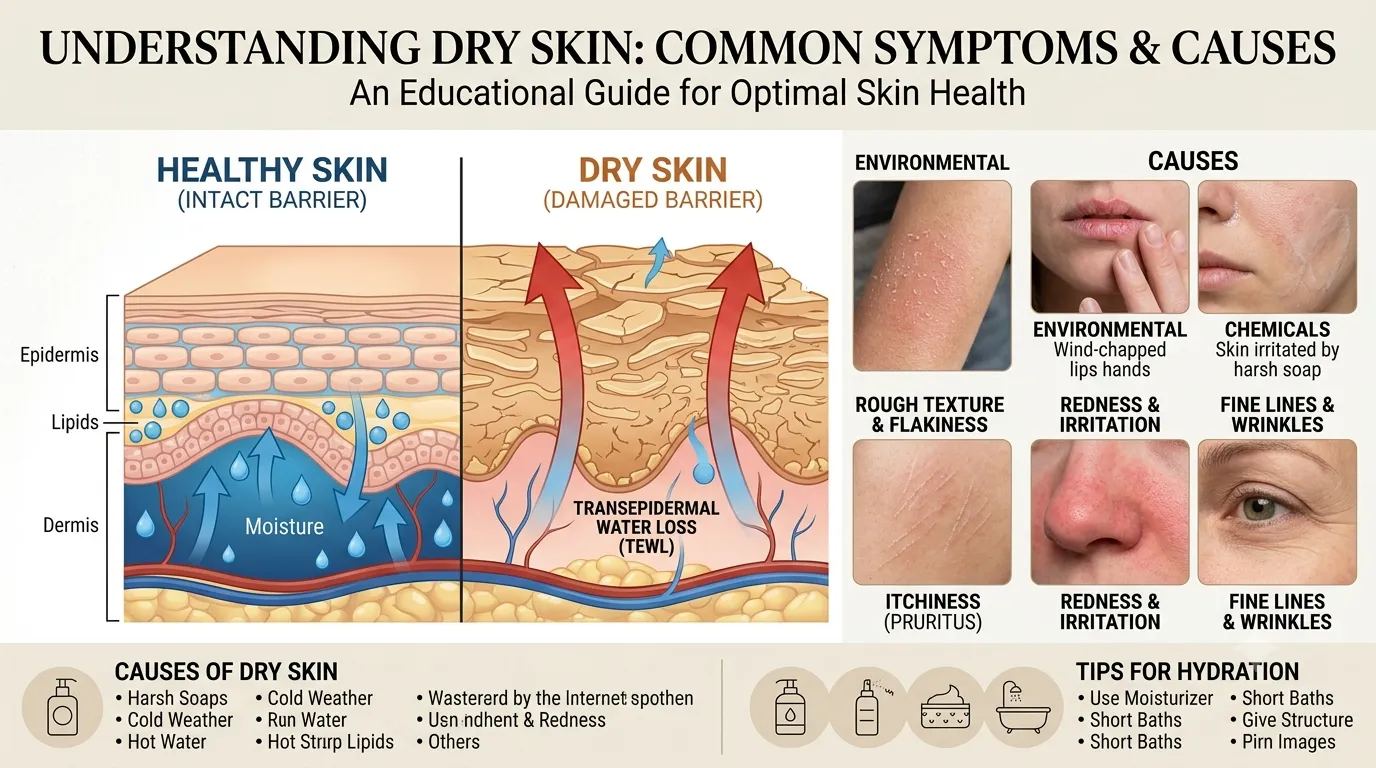
: Illustration highlighting common symptoms of dry skin, including flaking, itching, roughness, and scaling.

The severity of symptoms depends on your age, environment, skincare routine, and overall health.

Common signs include:

  • Skin that feels tight, especially after bathing
  • Rough or uneven texture
  • Flaking or peeling
  • Fine white scales
  • Itching
  • Dull appearance
  • Ashy-looking skin
  • Visible dry patches on skin
  • Small spots of dry skin
  • Mild redness
  • Increased sensitivity to skincare products

These symptoms often worsen during cold weather, after long hot showers, or in environments with low humidity.

Understanding the Early Signs of Barrier Damage

Research from the British Journal of Dermatology shows that dry skin doesn't just happen overnight—it develops gradually as your skin's protective shield loses its ability to hold onto water. In fact, even slight barrier damage can cause your skin to feel tight, flaky, and irritated well before you ever see actual cracks or severe flaking.

Why It Matters for Your Skin: If your skin feels tight or stripped right after washing your face, don't ignore it. This "tight feeling" isn't a sign of deep cleaning; it is actually one of the earliest alarms your skin sets off to tell you that its barrier is leaking moisture and needs targeted support.

Dry and Patchy Skin: Why Does It Happen?

One of the most searched concerns is dry and patchy skin.

Instead of affecting the entire body evenly, dry skin often develops in localized areas because different parts of the body experience varying amounts of friction, environmental exposure, and natural oil production. Common locations include:

  • Face
  • Hands
  • Elbows
  • Knees
  • Lower legs
  • Feet

Patchy dryness usually develops when moisture escapes faster than the skin can replace it. Contributing factors include:

  • Frequent washing
  • Cold weather
  • Indoor heating
  • Aging
  • Harsh skincare products
  • Repeated friction from clothing

Dry Patches on Skin

Finding isolated dry patches on skin can be frustrating.

These areas often feel:

  • Rough
  • Slightly raised
  • Flaky
  • Less flexible than surrounding skin

While uncomplicated dry skin is a common cause, localized dry patches may also occur with conditions such as eczema, psoriasis, fungal infections, or contact dermatitis.

For this reason, patches that continue to enlarge, become painful, bleed, or fail to improve with appropriate skincare should be evaluated by a healthcare professional rather than self-treated indefinitely.

Spot of Dry Skin vs. Dry Patches

Although these phrases are often used interchangeably, they may describe slightly different presentations.

Spot of Dry SkinDry Patches on Skin
Usually small and isolatedOften larger or multiple areas
May result from temporary irritationOften reflects ongoing barrier dysfunction
Frequently resolves with improved skincareMay require investigation if persistent

The distinction isn't diagnostic, but it can help describe your symptoms more accurately.

Why Does Dry Skin Itch?

One of the most uncomfortable symptoms is dry itchy skin. Healthy skin contains enough moisture and lipids to protect nerve endings from irritation. When the barrier weakens:

  • Water escapes more easily.
  • Microscopic cracks develop.
  • Irritants penetrate more readily.
  • Nerve endings become more sensitive.

This combination often produces itching. Unfortunately, scratching can further damage the skin barrier, creating an itch–scratch cycle that becomes increasingly difficult to break.

The Science Behind Itchy, Dry Skin

Studies from the Journal of the American Academy of Dermatology show that an itchy sensation is directly connected to a damaged skin barrier. When your barrier is weak, moisture evaporates quickly, leaving microscopic gaps. This allows daily environmental irritants to slip inside your skin and irritate the tiny nerve endings beneath the surface, signaling your brain to scratch.

Why It Matters for Your Skin:

If you are constantly dealing with itchy skin, using temporary cooling lotions is just a short-term fix. Lasting relief happens when you address the root cause: repairing and reinforcing the skin barrier so it can lock out irritants and keep the nervous system calm.

What Is Scaly Skin?

Scaly skin refers to visible flakes that separate from the skin's surface. This occurs because dead skin cells accumulate and are shed unevenly. Scaly skin may develop due to:

  • Dry skin
  • Aging
  • Eczema
  • Psoriasis
  • Certain fungal infections
  • Excessive sun exposure

Dry skin is among the most common causes, but persistent or widespread scaling deserves medical evaluation to rule out other skin conditions.

Why Does Skin Peeling Occur?

Many people become concerned when they notice skin peeling. Peeling happens when damaged surface cells detach as new skin forms underneath. Common causes include:

  • Very dry skin
  • Sunburn
  • Overuse of exfoliating products
  • Retinoids
  • Chemical peels
  • Allergic reactions

Small amounts of peeling can occur as the skin recovers from irritation, but extensive peeling accompanied by pain, blisters, or fever requires prompt medical assessment.

Ashy Skin: A Sign of Severe Dryness

Ashy skin appears grayish or whitish because dry, dead skin cells accumulate on the surface. It is particularly noticeable in individuals with medium to deeper skin tones but can affect all skin types.

Ashiness often indicates that the skin barrier needs improved hydration and gentle exfoliation where appropriate. Regular use of barrier-supporting moisturizers can help reduce this appearance over time.

Can Dry Skin Become Painful?

Yes. When dryness progresses, the skin may develop:

  • Small cracks (fissures)
  • Burning
  • Tenderness
  • Bleeding
  • Increased sensitivity

These symptoms occur because the protective barrier has become significantly compromised. Painful cracks, especially on the hands or feet, increase the risk of secondary bacterial infection and should not be ignored.

Is It Dry Skin or Something Else?

Dry skin shares symptoms with several other skin conditions. Understanding the differences can help you decide when professional evaluation is appropriate.

Condition

Typical Features

Dry skin (Xerosis)

Tightness, flaking, mild itching, rough texture

Atopic dermatitis (Eczema)

Intense itching, inflamed skin, recurring flare-ups

Psoriasis

Thick, well-defined plaques with silvery scales

Contact dermatitis

Rash following exposure to an irritant or allergen

Fungal infection

Ring-shaped or spreading patches with active borders

While these conditions may appear similar, they require different treatment approaches.

Dermatologists generally recommend avoiding self-diagnosis when dry skin is persistent, widespread, or associated with significant redness, pain, bleeding, or recurrent infections. A proper evaluation can help distinguish uncomplicated dry skin from inflammatory or infectious skin diseases that require specific treatment.

When Should You See a Healthcare Professional?

Many cases of dry skin improve with appropriate skincare and lifestyle changes. However, seek medical advice if you experience:

  • Severe itching that disrupts sleep
  • Cracked skin that bleeds frequently
  • Signs of infection (pus, warmth, increasing redness)
  • Extensive skin peeling
  • Large areas of inflamed skin
  • Dryness that persists despite several weeks of appropriate care
  • Sudden onset of severe dryness without an obvious cause
  • Associated symptoms such as unexplained weight changes, fatigue, or excessive thirst

These features may indicate an underlying medical condition that requires further assessment.

Expert Perspective

One of the most common misconceptions I encounter is that persistent dry skin is always a cosmetic issue. In reality, chronic dryness can sometimes be the skin's way of signaling an underlying medical condition or an impaired skin barrier that needs proper attention. Addressing the cause—not just the symptoms—often leads to better long-term outcomes.

Dr. Aamir Raza

Can Dry Skin Affect Your Quality of Life?

Absolutely. Persistent dryness may:

  • Disturb sleep because of itching
  • Cause discomfort during everyday activities
  • Reduce confidence due to visible flaking
  • Make makeup or shaving more difficult
  • Increase sensitivity to environmental irritants

Although dry skin is often viewed as a minor concern, moderate to severe cases can have a meaningful impact on daily life, emphasizing the importance of early and consistent care.

What Is the Best Dry Skin Treatment?

There isn't a single solution that works for everyone. The most effective dry skin treatment combines several evidence-based strategies that restore the skin barrier, reduce transepidermal water loss (TEWL), and help the skin retain moisture over time.

Rather than simply adding moisture to the surface, successful treatment focuses on repairing the skin's natural protective barrier. For most people, this includes:

  • Using gentle cleansers
  • Applying moisturizer correctly
  • Protecting the skin barrier
  • Avoiding excessive heat and harsh products
  • Managing environmental triggers
  • Addressing any underlying medical conditions when present
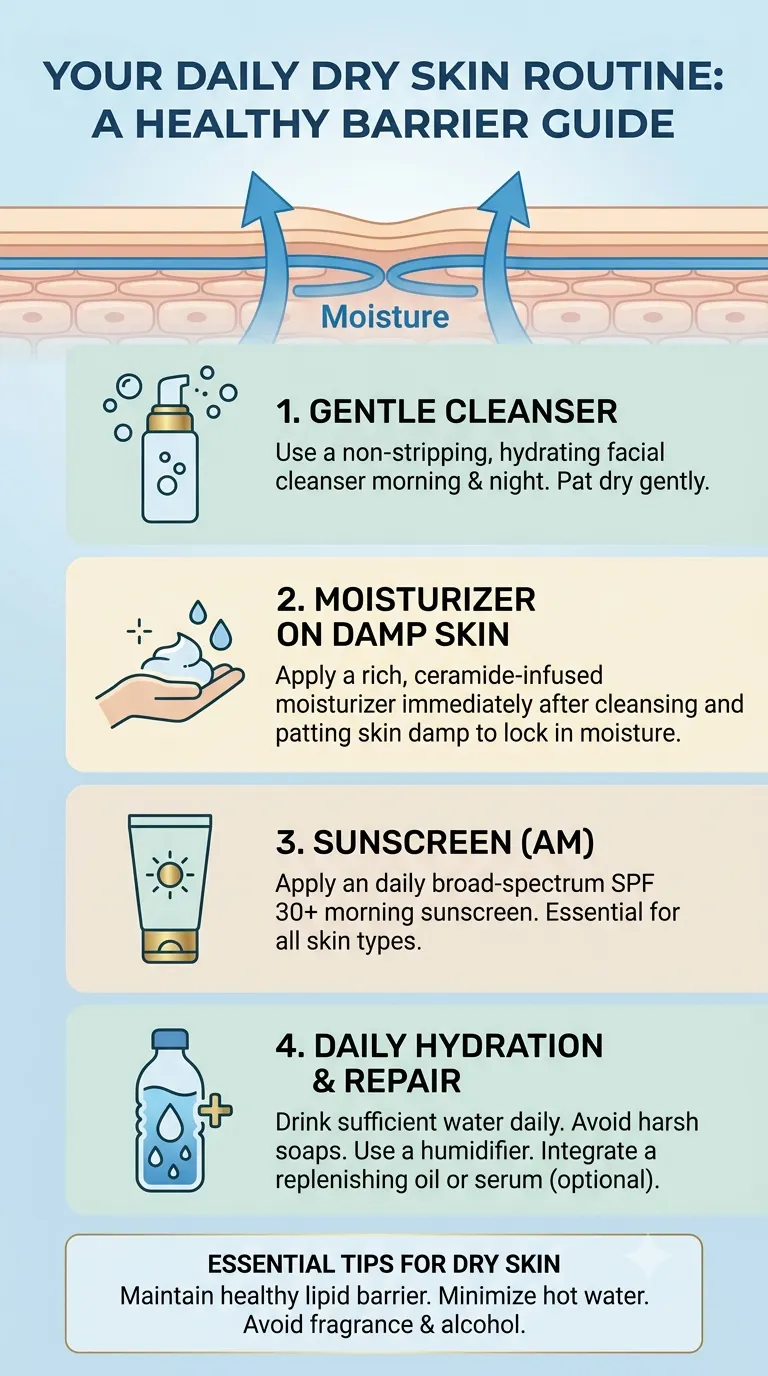
Step-by-step skincare routine for managing dry skin.

The Scientific Secret to Overcoming Chronic Dryness

Decades of research in the Journal of Investigative Dermatology by Dr. Peter M. Elias and his team confirm that fixing a damaged skin barrier is the single most effective way to heal chronically dry skin. When you actively repair this shield, you drop your skin's moisture loss, boost its natural hydration levels, and calm down internal irritation and redness before it flares up.

Why It Matters for Your Skin:

Truly healthy skin isn't just about applying a heavy cream to make it look moisturized. It means having a functional, strong biological shield that keeps moisture locked deep inside on its own, while successfully blocking out the daily environmental irritants that cause damage.

Step 1: Choose a Gentle Cleanser

Many people unknowingly worsen dry skin during cleansing.

Traditional soaps often have an alkaline pH and may remove protective lipids from the skin's surface.

Instead, look for gentle cleansers that:

  • Have a skin-friendly pH
  • Clean without stripping natural oils
  • Are fragrance-free if you have sensitive skin
  • Contain moisturizing ingredients where possible

Avoid cleansing more often than necessary, especially if your skin already feels tight after washing.

Step 2: Moisturize While Skin Is Slightly Damp

One of the simplest yet most effective techniques is applying moisturizer soon after bathing. Dermatologists often recommend moisturizing within a few minutes of gently patting the skin dry.

This helps trap existing moisture inside the skin while reinforcing the barrier. Instead of rubbing the skin vigorously with a towel:

  • Pat dry gently.
  • Leave the skin slightly damp.
  • Apply moisturizer promptly.

This simple habit can significantly improve long-term skin hydration.

According to the American Academy of Dermatology, the best time to apply moisturizer is immediately after bathing, while your skin is still slightly damp. This helps lock in hydration, strengthens the skin barrier, and reduces moisture loss.

What This Means for You

Choosing the right moisturizer is important—but using it at the right time can make an even bigger difference. Applying your moisturizer to damp skin helps maximize hydration, keeping your skin softer, smoother, and healthier for longer.

Step 3: Understand the Ingredients That Support Dry Skin

Rather than choosing products based on marketing claims, focus on ingredients supported by scientific evidence.

Ceramides

Ceramides are naturally occurring lipids that help hold skin cells together. They strengthen the skin barrier and reduce moisture loss.

As ceramide levels decline with age and environmental damage, replenishing them through skincare may improve skin hydration.

Glycerin

Glycerin is one of the most widely studied humectants.

It attracts water into the outer layer of the skin, improving hydration and helping maintain skin flexibility. Research consistently supports glycerin as an effective ingredient for improving dry skin.

Hyaluronic Acid

Hyaluronic acid binds water within the skin and contributes to hydration. While it cannot repair the skin barrier on its own, it works well alongside barrier-supporting ingredients such as ceramides.

Urea

At lower concentrations, urea functions as both a humectant and a moisturizer. It can be especially helpful for rough, thickened, or scaly skin, including dry skin on the elbows, knees, and feet.

Petrolatum

Petrolatum is one of the most effective occlusive ingredients available. It creates a protective layer over the skin that significantly reduces water loss.

Despite common misconceptions, high-quality petrolatum has a long history of safe use in dermatology.

Scientific evidence suggests that the most effective moisturizers are those formulated with a combination of humectants, emollients, and occlusive agents rather than relying on a single type of ingredient. According to a systematic review published in the Cochrane Database of Systematic Reviews, these multi-ingredient formulations help improve skin hydration, strengthen the skin barrier, and reduce moisture loss, making them particularly beneficial for people with dry skin.

In practical terms, this means that when choosing a moisturizer, it's worth looking beyond marketing claims and checking the ingredient list. Humectants such as glycerin attract water to the skin, emollients help smooth and soften rough patches, and occlusive ingredients create a protective layer that locks in moisture. Together, these ingredients work synergistically to keep your skin hydrated, comfortable, and resilient throughout the day.

Step 4: Avoid Long, Hot Showers

Hot water may feel relaxing, but it also removes natural oils from the skin more quickly. For healthier skin:

  • Keep showers brief (around 5–10 minutes).
  • Use warm—not hot—water.
  • Avoid excessive scrubbing.
  • Pat skin dry rather than rubbing.

These simple habits help preserve the skin's natural barrier.

Step 5: Protect Your Skin From the Environment

Environmental factors play a major role in dry skin. To reduce moisture loss:

  • Wear gloves during cold weather.
  • Protect exposed skin from strong winds.
  • Use a scarf when temperatures are extremely low.
  • Avoid prolonged exposure to dry indoor air.

During winter, indoor heating often reduces humidity enough to worsen dryness. Maintaining moderate indoor humidity may help reduce moisture loss in susceptible individuals.

Step 6: Wear Skin-Friendly Fabrics

Certain fabrics can aggravate dry skin through friction. People with sensitive or dry skin often find softer materials such as cotton more comfortable than rough wool or synthetic fabrics worn directly against the skin.

Also remember to:

  • Wash new clothing before wearing it.
  • Choose fragrance-free laundry detergents when possible.
  • Avoid fabric softeners if they trigger irritation.

Step 7: Stay Hydrated—But Keep Expectations Realistic

Many people assume drinking more water alone will cure dry skin. The evidence is more nuanced. Adequate hydration supports overall health, but skin dryness is primarily a barrier problem, not simply a lack of drinking water.

If you're already well hydrated, dramatically increasing water intake has not consistently been shown to eliminate dry skin.

While staying well hydrated is essential for overall health, drinking more water alone is not a guaranteed solution for dry skin. A review published in Clinical, Cosmetic and Investigational Dermatology found that although adequate water intake supports normal physiological functions, skin hydration is influenced by several factors, including the integrity of the skin barrier, environmental conditions, and an individual's overall hydration status.

For this reason, experts recommend taking a comprehensive approach to managing dry skin. In addition to maintaining adequate daily fluid intake, protecting and restoring the skin barrier with a well-formulated moisturizer is one of the most effective ways to improve skin hydration and reduce dryness. Combining healthy hydration habits with a consistent skincare routine provides the best support for soft, comfortable, and healthy-looking skin.

Step 8: Eat a Balanced Diet

Healthy skin depends on adequate nutrition.

A balanced diet provides nutrients involved in maintaining normal skin structure and function.

These include:

  • Protein
  • Essential fatty acids
  • Vitamin A
  • Vitamin C
  • Vitamin D
  • Vitamin E
  • Zinc

Rather than relying on supplements, most people benefit from obtaining nutrients through a varied diet unless a deficiency has been identified by a healthcare professional.

Current dermatology and nutrition guidance generally recommends correcting confirmed nutritional deficiencies rather than routinely taking supplements solely for dry skin.

Step 9: Avoid Common Skincare Mistakes

Many everyday habits unintentionally worsen dry skin. These include:

  • Washing the face too frequently
  • Using harsh exfoliating scrubs
  • Overusing chemical exfoliants
  • Applying alcohol-based toners
  • Ignoring sunscreen
  • Frequently changing skincare products
  • Using fragranced products that trigger irritation

Simplifying your routine often produces better long-term results than constantly introducing new products.

Can Dry Skin Be Prevented?

In many cases, yes. Preventing dryness is usually easier than treating severely damaged skin. Daily habits that support healthy skin include:

  • Cleansing gently
  • Moisturizing consistently
  • Avoiding excessively hot water
  • Wearing sunscreen daily
  • Maintaining comfortable indoor humidity
  • Protecting skin during cold weather
  • Managing underlying skin conditions appropriately

Consistency is far more effective than waiting until symptoms become severe.

A Word from the Expert

One of the most valuable lessons I share with students and readers is that healthy skin develops through consistent daily habits rather than quick fixes. Small changes—such as cleansing gently, moisturizing correctly, and protecting the skin barrier every day—often produce more meaningful long-term improvements than frequently switching between products.

Dr. Aamir Raza

10 Common Dry Skin Treatment Mistakes to Avoid

Even the best skincare products won't deliver lasting results if common mistakes continue to damage your skin barrier.

1. Taking Long, Hot Showers Every Day

Hot water removes the skin's natural oils much faster than lukewarm water. Although a hot shower may feel relaxing, repeated exposure can worsen dryness, increase itching, and weaken the skin barrier.

What This Means for You: Keep showers between 5–10 minutes and use lukewarm water whenever possible.

2. Using Harsh Soaps

Many traditional soaps contain ingredients that strip away protective lipids. Instead, choose a gentle, pH-balanced cleanser designed to support the skin barrier.

3. Waiting Too Long to Apply Moisturizer

Moisturizer works best when applied within a few minutes after bathing. Waiting until the skin is completely dry allows more water to evaporate.

4. Over-Exfoliating

Scrubs, exfoliating brushes, and frequent chemical exfoliants can worsen dryness when overused. Healthy skin doesn't need aggressive exfoliation every day.

5. Ignoring Indoor Humidity

During winter, indoor heating often lowers humidity enough to increase transepidermal water loss. Maintaining comfortable indoor humidity may help support skin hydration.

6. Believing Drinking More Water Alone Will Cure Dry Skin

Hydration is important for overall health, but dry skin treatment primarily focuses on repairing the skin barrier.

7. Frequently Switching Products

Trying a new product every few days makes it difficult to determine what is actually helping—or causing irritation. Consistency usually produces better results.

8. Scratching Dry, Itchy Skin

Scratching temporarily relieves itching but further damages the skin barrier. Keeping the skin moisturized is a more effective long-term strategy.

9. Skipping Sunscreen

Ultraviolet (UV) exposure contributes to skin barrier damage and premature skin aging. Daily broad-spectrum sunscreen helps protect healthy skin year-round.

10. Ignoring Persistent Symptoms

If dryness is severe, painful, widespread, or doesn't improve after several weeks of appropriate skincare, seek medical evaluation. Persistent dryness can sometimes indicate eczema, psoriasis, thyroid disease, diabetes, or other underlying medical conditions.

Myth vs. Fact Dry Skin Treatment Guide

Educational comparison of common dry skin myths and evidence-based facts.

Myth

Fact

Dry skin only happens during winter.

Dry skin can occur year-round due to aging, genetics, environmental exposure, skincare habits, and certain medical conditions.

Drinking more water always cures dry skin.

Hydration supports overall health, but repairing the skin barrier is usually more important for improving dry skin.

Expensive skincare always works better.

The effectiveness of a product depends on its ingredients and formulation—not its price.

Oily skin cannot become dehydrated.

Even oily skin can become dehydrated when it lacks sufficient water.

Scrubbing removes dry skin faster.

Excessive exfoliation often worsens dryness and damages the skin barrier.

Moisturizer should only be used when skin feels dry.

Consistent daily moisturizing is more effective than waiting until symptoms become severe.

Frequently Asked Questions

What causes dry skin?

Dry skin develops when the skin barrier loses water faster than it can replace it. Common causes include aging, cold weather, low humidity, hot showers, harsh cleansers, certain medical conditions, and some medications.

How long does dry skin take to improve?

Mild dryness may begin improving within a few days to two weeks with consistent skincare. More severe cases may require several weeks or longer, particularly if an underlying skin condition is present.

Is dry skin the same as dehydrated skin?

No. Dry skin is a skin type characterized by insufficient natural oils, while dehydrated skin is a temporary condition caused by inadequate water content.

Is dry skin the same as dehydrated skin?

No. Dry skin is a skin type characterized by insufficient natural oils, while dehydrated skin is a temporary condition caused by inadequate water content.

What is the best dry skin treatment?

The most effective treatment combines gentle cleansing, regular moisturizing with barrier-supporting ingredients, avoiding excessive heat, protecting the skin from environmental damage, and addressing any underlying medical conditions.

Can dry skin heal naturally?

Yes. Mild dry skin often improves when the skin barrier is protected and environmental triggers are minimized. Persistent or severe symptoms should be evaluated by a healthcare professional.

Can dry skin cause itching?

Yes. As the skin barrier weakens, water loss increases and nerve endings become more exposed to irritation, making itching one of the most common symptoms.

When should I see a doctor?

Seek medical advice if your dry skin:

  • Bleeds repeatedly
  • Becomes infected
  • Is associated with severe pain
  • Covers large areas of the body
  • Persists despite several weeks of appropriate treatment

Is accompanied by fever, unexplained weight loss, or other concerning symptoms

Key Takeaways

Effective dry skin treatment is about more than simply applying moisturizer. Long-term improvement depends on:

  • Repairing the skin barrier
  • Reducing transepidermal water loss
  • Using gentle skincare products
  • Moisturizing consistently
  • Protecting skin from environmental damage
  • Identifying underlying medical conditions when symptoms persist

Healthy skin develops through consistent daily care rather than occasional intensive treatments.

About the Author

Dr. Aamir is a Herbal Physician with a Bachelor of Eastern Medicine & Surgery (Silver Medal) and an MPhil in Phytomedicine (Gold Medal). He previously served as a faculty member at The Islamia University of Bahawalpur and Kohat University of Science & Technology (KUST). Through aamirwellness.com and aamirnaturals.com, he publishes evidence-based educational content on skincare, hair care, herbal medicine, nutrition, and wellness, drawing on peer-reviewed scientific research and established clinical guidelines.

Medical Disclaimer

This article is intended for educational purposes only and should not be considered medical advice. Individual skin conditions vary, and recommendations should not replace personalized evaluation by a qualified healthcare professional. If your symptoms are severe, persistent, or associated with infection or significant inflammation, consult a dermatologist or another licensed medical provider.

References

Hair Growth Supplements: Everything You Need to Know

Hair Growth Supplements: Everything You Need to Know

Hair Growth Supplements: An Evidence- Based Guide to What Actually Works

Quick Answer:

If you're wondering what supplements for hair growth are actually backed by research, the short answer is that supplements may help only when hair thinning or shedding is linked to a nutritional deficiency or inadequate dietary intake. Current evidence suggests that nutrients such as iron, vitamin D, zinc, protein, vitamin B12, and folate play important roles in maintaining normal hair growth, while biotin supplementation appears most beneficial for people with a confirmed deficiency rather than the general population.

Table of Contents

A 2023 systematic review published in the Journal of the American Academy of Dermatology evaluated clinical studies on nutritional supplements for hair loss. The researchers concluded that some supplements may improve hair growth in selected individuals, but the overall quality of evidence varies and many commercial products require more rigorous clinical testing. The review also emphasized that supplementation should ideally be guided by an individual's nutritional status rather than marketing claims.

What this means for you

Hair growth supplements are not a universal solution. If your hair loss is caused by iron deficiency, low vitamin D, inadequate protein intake, or another nutritional imbalance, correcting that deficiency may help support healthier hair. However, if your hair thinning is primarily due to genetics, hormonal changes, or certain medical conditions, supplements alone are unlikely to produce significant regrowth.

Why Are Hair Growth Supplements So Popular?

Millions of people experience increased hair shedding or gradual thinning each year, making hair growth supplements one of the fastest-growing categories in the health and wellness industry.

Social media, celebrity endorsements, and aggressive marketing often promote supplements as a simple solution for stronger, thicker hair. While some products contain ingredients supported by scientific evidence, others rely on claims that have not been consistently validated in well-designed clinical studies.

This is why understanding how hair grows—and what nutrients actually contribute to healthy follicles—is far more valuable than choosing a supplement based solely on advertising.

Before You Buy Hair Growth Supplements, Understand Why Hair Loss Happens

One of the biggest misconceptions is that all hair loss has the same cause. In reality, hair thinning can result from many different factors, including:

  • Nutritional deficiencies
  • Genetics
  • Hormonal changes
  • Thyroid disorders
  • Chronic stress
  • Certain medications
  • Autoimmune diseases
  • Rapid weight loss
  • Illness or surgery
  • Aging

Because the causes vary so widely, the most effective approach is identifying the underlying reason for hair changes rather than assuming a supplement will solve every problem.

The American Academy of Dermatology advises that persistent or sudden hair loss should be evaluated to determine its cause, as treatment depends on the underlying diagnosis rather than symptoms alone.

Vertical wellness image showing a healthy eating routine that supports normal hair growth.

According to a review published in Dermatology Practical & Conceptual, dermatologists Dr. Rajani Katta and Dr. Emily L. Guo emphasize that nutritional supplements are most beneficial when they correct an existing deficiency. They caution that taking supplements without evidence of deficiency offers limited benefit and may expose people to unnecessary risks.

What does this mean for you?

If you already consume adequate amounts of vitamins and minerals, taking higher doses is unlikely to make your hair grow faster. Instead, focus on meeting your nutritional needs through a balanced diet and use supplements only when a deficiency has been identified or a healthcare professional recommends them.

How Hair Grows? Understanding the Biology Before Choosing Supplements

Medical illustration of the human hair growth cycle showing the anagen, catagen, telogen, and exogen phases.

To understand whether hair growth supplements can help, it's important to know how hair grows.

Every strand of hair develops inside a tiny structure beneath the skin called a hair follicle. Hair follicles are among the body's most metabolically active tissues, meaning they require a continuous supply of oxygen, amino acids, vitamins, minerals, and energy to produce healthy hair.

Because hair follicles divide rapidly, they are often among the first tissues affected when the body experiences nutritional deficiencies, illness, or prolonged physiological stress.

The Hair Growth Cycle

Hair does not grow continuously. Instead, each follicle progresses through four distinct phases.

Anagen (Growth Phase)

This is the active growth stage, during which hair cells divide rapidly and the hair shaft lengthens.

  • Lasts approximately 2–7 years
  • Around 85–90% of scalp hairs are normally in this phase
  • Longer anagen phases generally allow hair to grow longer

Healthy nutrition is especially important during this stage because rapidly dividing follicle cells require a steady supply of nutrients.

Catagen (Transition Phase)

Catagen is a brief transition period lasting about two to three weeks.

During this stage:

  • Hair growth slows
  • The follicle begins to shrink
  • Blood supply to the follicle decreases

Only a small percentage of hairs are in this phase at any given time.

Telogen (Resting Phase)

During the telogen phase, the follicle rests while retaining the existing hair strand.

Approximately 10–15% of scalp hairs are in this stage under normal conditions.

Exogen (Shedding Phase)

Exogen is the natural shedding phase, during which older hairs fall out to make room for new growth.

Losing 50–100 hairs per day is generally considered part of a normal hair cycle.

Excessive shedding, however, may indicate an underlying nutritional deficiency, medical condition, or other factor that should be evaluated.

Why Nutrition Matters for Healthy Hair

Unlike many tissues, hair is not essential for survival. During periods of nutrient shortage, the body prioritizes vital organs such as the brain, heart, and liver over hair production. As a result, hair follicles may slow their activity when key nutrients are lacking.

Research has linked deficiencies in several nutrients—including protein, iron, zinc, vitamin D, vitamin B12, and folate—to changes in normal hair growth in susceptible individuals. While supplementation can help correct these deficiencies, it is most effective when tailored to an individual's specific nutritional needs.

In the next section, we'll examine which hair growth supplements have the strongest scientific evidence, what leading dermatology research says about each nutrient, and who is most likely to benefit from supplementation.

Which Hair Growth Supplements Actually Work?

Quick takeaway: If you're searching for what supplements for hair growth actually work, the strongest scientific evidence supports correcting nutritional deficiencies rather than taking large doses of vitamins "just in case." Below, we examine the nutrients with the best available evidence and explain who is most likely to benefit.

Which Hair Growth Supplements Have the Strongest Scientific Evidence?

Healthy foods naturally rich in protein, iron, zinc, biotin, vitamin D, and omega-3 fatty acids.

Not all ingredients found in hair growth supplements are supported by the same level of research. Some nutrients are essential for normal hair follicle function, while others are included primarily because of marketing trends rather than strong clinical evidence.

The table below summarizes the current evidence.

Nutrient

Evidence Strength

Who May Benefit Most

Protein

⭐⭐⭐⭐⭐ Strong

Low dietary protein intake

Iron

⭐⭐⭐⭐⭐ Strong

Confirmed iron deficiency

Vitamin D

⭐⭐⭐⭐ Moderate

Vitamin D deficiency

Zinc

⭐⭐⭐⭐ Moderate

Zinc deficiency

Vitamin B12

⭐⭐⭐⭐ Moderate

Confirmed deficiency

Folate

⭐⭐⭐ Moderate

Folate deficiency

Biotin

⭐⭐ Limited

Rare biotin deficiency

Omega-3 Fatty Acids

⭐⭐ Emerging

General nutritional support

Collagen Peptides

⭐⭐ Emerging

Evidence still developing

The key message is that supplements work best when they address an identified nutritional need—not when they are taken indiscriminately.

Protein: The Most Important Nutrient for Healthy Hair

Hair is composed primarily of keratin, a fibrous protein that gives each strand its strength and structure. Because hair follicles produce keratin continuously during the growth phase, they require a steady supply of dietary protein.

When protein intake is insufficient, the body conserves amino acids for essential organs and tissues. Hair production becomes a lower priority, which may contribute to increased shedding or slower growth.

According to a review published in Dermatology Practical & Conceptual, dermatologists Dr. Rajani Katta and Dr. Emily L. Guo highlight that inadequate protein intake can contribute to diffuse hair shedding because hair follicles require a steady supply of amino acids to produce keratin, the primary structural protein in hair. The authors emphasize that correcting dietary protein deficiencies is an important part of managing hair loss when nutritional factors are involved.

What this means for you:

If your daily diet is consistently low in protein, even the most expensive hair growth supplements are unlikely to deliver meaningful results. Prioritizing protein-rich foods—such as eggs, fish, lean poultry, dairy products, legumes, and soy-based foods—can provide your hair follicles with the essential building blocks they need to support normal hair growth and strength.

Foods Rich in Protein

  • Eggs
  • Salmon
  • Chicken
  • Greek yogurt
  • Cottage cheese
  • Lentils
  • Chickpeas
  • Tofu
  • Lean beef
  • Quinoa

Iron: One of the Best-Studied Nutrients for Hair Growth

Iron plays a vital role in transporting oxygen to tissues throughout the body, including the rapidly dividing cells inside hair follicles.

Low iron stores—particularly low serum ferritin—have been associated with increased hair shedding in some individuals, especially women of reproductive age.

Several observational studies have reported lower ferritin levels among patients with diffuse hair shedding compared with healthy controls. While not every study reaches the same conclusion, correcting confirmed iron deficiency is widely recommended as part of appropriate medical management.

The National Institutes of Health Office of Dietary Supplements also recognizes iron as an essential nutrient required for normal oxygen transport and cellular metabolism.

Iron: One of the Best-Studied Nutrients for Hair Growth

Dermatologists generally recommend testing your iron status before taking iron supplements, as excessive iron intake can be harmful. Current evidence also suggests that iron supplementation is most beneficial for people with a confirmed deficiency, while taking extra iron without a medical need has not been shown to improve hair growth.

What this means for you: If you suspect low iron may be contributing to hair shedding, speak with your healthcare provider about whether blood tests—such as serum ferritin and other iron studies—are appropriate before starting supplements. This helps ensure that treatment is based on your individual needs rather than guesswork.

Symptoms of Iron Deficiency

  • Fatigue
  • Pale skin
  • Weakness
  • Brittle nails
  • Frequent headaches
  • Increased hair shedding

Foods Rich in Iron

  • Lean red meat
  • Spinach
  • Lentils
  • Pumpkin seeds
  • Chickpeas
  • Fortified cereals

Vitamin D: More Than a Bone Health Vitamin

Vitamin D helps regulate many biological processes, including those involved in skin and hair follicle function.

Researchers continue to investigate its role in different forms of hair loss, and several studies have found that people with certain hair disorders often have lower vitamin D levels than unaffected individuals.

Research suggests that vitamin D plays an important role in maintaining normal hair follicle function. A review published in the International Journal of Molecular Sciences found that vitamin D receptors are involved in regulating the hair growth cycle and supporting healthy follicle biology. However, the authors also noted that while vitamin D deficiency has been associated with certain types of hair loss, more high-quality clinical trials are needed to determine when vitamin D supplementation can reliably improve hair growth outcomes.

What this means for you: If blood tests show that you're deficient in vitamin D, correcting that deficiency may support overall health and help maintain normal hair follicle function. However, taking high-dose vitamin D supplements without a confirmed deficiency has not been proven to speed up hair growth or prevent hair loss in otherwise healthy individuals.

Food Sources

  • Salmon
  • Sardines
  • Egg yolks
  • Fortified milk
  • Fortified plant-based beverages

Zinc: Supporting Hair Follicle Function

Zinc contributes to DNA synthesis, cell division, tissue repair, and immune function—all essential processes for healthy hair follicles.

A deficiency can interfere with normal hair cycling and may contribute to increased shedding.

A review in the Journal of Clinical and Aesthetic Dermatology noted that zinc deficiency has been associated with several forms of hair loss. The authors emphasized that supplementation should be considered when deficiency is documented rather than used routinely.

Foods Rich in Zinc

  • Oysters
  • Beef
  • Pumpkin seeds
  • Cashews
  • Chickpeas
  • Dairy products

Evidence Strength

Moderate

Vitamin B12 and Folate: Supporting Rapidly Dividing Cells

Hair follicle cells divide rapidly, making them dependent on nutrients involved in DNA synthesis and red blood cell production.

Vitamin B12 and folate help maintain these functions by supporting healthy cell division and oxygen delivery.

People at greater risk of deficiency include:

  • Vegetarians
  • Vegans
  • Older adults
  • Individuals with gastrointestinal disorders
  • People taking certain medications that affect B12 absorption

Foods Rich in Vitamin B12

  • Fish
  • Eggs
  • Dairy products
  • Meat
  • Fortified cereals

Foods Rich in Folate

  • Spinach
  • Lentils
  • Avocados
  • Citrus fruits
  • Beans

Biotin: The Most Popular Hair Supplement—But Is It Necessary?

Among all hair growth supplements, biotin is probably the most heavily marketed ingredient.

Biotin plays an important role in normal fat, carbohydrate, and protein metabolism and contributes to keratin production. However, true biotin deficiency is uncommon in healthy individuals consuming a balanced diet.

A 2023 systematic review published in the Journal of the American Academy of Dermatology found that while some nutritional supplements may improve hair outcomes in selected populations, there is limited evidence supporting high-dose biotin supplementation for people without a documented deficiency.

High doses of biotin can interfere with laboratory tests, including some used to diagnose thyroid disorders and heart attacks. Always tell your healthcare provider if you're taking biotin supplements before having blood work performed.

Limited for individuals without deficiency

Omega-3 Fatty Acids

Omega-3 fatty acids contribute to overall skin health and help maintain normal cell membrane function.

Although omega-3 supplements have been investigated for hair health, current evidence is still emerging.

Some small studies suggest they may improve hair density or reduce shedding when combined with other nutrients, but larger randomized controlled trials are needed.

Best Food Sources

  • Salmon
  • Sardines
  • Walnuts
  • Chia seeds
  • Flaxseeds
  • Mackerel

Collagen Peptides: Hype or Helpful?

Collagen supplements have become increasingly popular for skin, nails, and hair.

Collagen provides amino acids that the body can use to produce structural proteins, including keratin. However, direct evidence demonstrating significant improvements in hair growth remains limited.

Reviews published in dermatology and nutrition journals suggest that collagen peptides may support skin health, but high-quality clinical trials specifically evaluating hair growth remain limited.

What This Means for You

Collagen may be a useful component of a balanced diet, but it should not be viewed as a proven treatment for hair loss.

Food First, Supplements Second

One of the most consistent messages across dermatology guidelines is that whole foods should remain the foundation of healthy hair nutrition.

A balanced diet naturally provides vitamins, minerals, protein, healthy fats, antioxidants, and plant compounds that work together to support overall health—benefits that isolated supplements cannot fully replicate.

Should Everyone Take Hair Growth Supplements?

One of the most common misconceptions is that hair growth supplements are beneficial for everyone. In reality, most dermatologists and nutrition experts recommend supplements only when there is a documented nutritional deficiency, increased nutritional need, or difficulty obtaining adequate nutrients from food.

Healthy hair depends on many factors—including genetics, hormones, age, medical conditions, stress, and overall nutrition. Because of this, supplements should be viewed as one part of a broader approach to hair health, not a guaranteed solution.

The American Academy of Dermatology advises that treatment for hair loss should begin with identifying its underlying cause. Hair thinning related to genetics, autoimmune disorders, or hormonal conditions often requires treatments beyond nutritional supplementation.

Who May Benefit from Hair Growth Supplements?

Research suggests that supplementation is most likely to help people who have identified nutritional deficiencies or increased nutritional requirements. You may benefit if you:

  • Have a medically confirmed iron, vitamin D, vitamin B12, folate, or zinc deficiency.
  • Follow a restrictive diet (such as a poorly planned vegan or very low-calorie diet).
  • Have digestive conditions that reduce nutrient absorption.
  • Are recovering from prolonged illness or surgery.
  • Have inadequate protein intake.
  • Have been advised by a healthcare professional to correct a nutritional deficiency.

According to a review published in Dermatology Practical & Conceptual, dermatologists Dr. Rajani Katta and Dr. Emily L. Guo recommend evaluating a patient's dietary habits and considering nutritional deficiencies when clinically appropriate, rather than routinely recommending supplements for everyone experiencing hair loss. Their review emphasizes that identifying the underlying cause of hair thinning is an important first step in selecting the most appropriate treatment.

What this means for you:

Before purchasing multiple hair growth supplements, consider speaking with a healthcare professional—especially if your hair loss is sudden, severe, or persistent. In some cases, simple blood tests can identify nutritional deficiencies or medical conditions that may be contributing to hair shedding, allowing for more targeted and effective treatment.

When Hair Growth Supplements Are Unlikely to Help

Even the highest-quality hair growth supplements cannot correct every cause of hair thinning. Supplements alone are unlikely to produce significant improvement if hair loss is primarily caused by:

  • Genetic hair loss (androgenetic alopecia)
  • Autoimmune conditions such as alopecia areata
  • Certain medications (for example, some chemotherapy drugs)
  • Untreated thyroid disease
  • Hormonal disorders
  • Scarring alopecias

In these situations, medical evaluation and evidence-based treatment are usually required.

How to Choose Hair Growth Supplements Safely?

The supplement market is crowded with products promising dramatic results, but labels and marketing claims do not always reflect scientific evidence.

When evaluating a supplement, consider the following:

✔ Choose Evidence-Based Ingredients

Look for formulations that contain nutrients with recognized roles in normal hair health, such as:

  • Protein (or amino acid support where appropriate)
  • Iron (only when deficiency is confirmed)
  • Vitamin D
  • Zinc
  • Vitamin B12
  • Folate

✔ Avoid Mega-Dose Formulas

More is not always better.

High doses of certain nutrients—including vitamin A, selenium, and zinc—may actually contribute to hair shedding or other adverse effects when consumed in excess.

The National Institutes of Health Office of Dietary Supplements notes that excessive intake of several vitamins and minerals can exceed established upper intake levels and increase the risk of toxicity.

✔ Look for Third-Party Quality Testing

Dietary supplements are not all manufactured to the same standard.

Independent certifications from organizations such as USP (United States Pharmacopeia), NSF International, or Informed Choice can provide additional confidence that a product contains the ingredients listed on its label and meets certain quality standards.

✔ Discuss Supplements with Your Healthcare Professional

This is especially important if you:

  • Are pregnant or breastfeeding
  • Have kidney or liver disease
  • Take blood thinners or other prescription medications
  • Have a chronic medical condition
  • Plan to take multiple supplements together

Common Myths About Hair Growth Supplements

Myth

Fact

Hair growth supplements make hair grow overnight.

Hair grows gradually—on average about 0.5 inch (1.25 cm) per month. Even when supplementation is appropriate, visible improvements typically take 3–6 months, depending on the underlying cause of hair loss and individual health.

Biotin is the best supplement for everyone.

Biotin is essential for healthy hair, but true deficiency is uncommon. Current evidence does not support routine high-dose biotin supplementation for healthy individuals with normal biotin levels.

Taking more vitamins leads to faster hair growth.

More isn't always better. Excessive intake of certain nutrients, such as vitamin A, selenium, and zinc, may be ineffective or even contribute to hair shedding and other health risks.

Expensive hair supplements work better.

Price does not guarantee effectiveness. The quality of ingredients, scientific evidence, appropriate dosage, and manufacturing standards are far more important than premium branding or marketing claims.

Hair supplements can replace a healthy diet.

Supplements are designed to complement—not replace—a balanced diet. Whole foods remain the best source of protein, vitamins, minerals, healthy fats, and antioxidants needed to support normal hair growth and overall health.

Frequently Asked Questions

Healthy lifestyle habits that support strong hair, including balanced nutrition, hydration, exercise, stress management, and adequate sleep.

What supplements for hair growth have the strongest scientific evidence?

Current research suggests that the strongest evidence supports correcting deficiencies in:

  • Iron
  • Protein
  • Vitamin D
  • Zinc
  • Vitamin B12
  • Folate

Biotin may be helpful when deficiency is present, but evidence is limited for people who already have adequate levels.

How long do hair growth supplements take to work?

Because hair grows gradually, meaningful improvement usually requires three to six months after correcting an underlying nutritional deficiency. The exact timeline depends on the cause of hair loss, the individual's health, and adherence to treatment.

Should I get blood tests before taking supplements?

If you are experiencing persistent or unexplained hair loss, blood tests may help identify nutritional deficiencies or underlying medical conditions. A healthcare professional can determine which tests are appropriate based on your symptoms and medical history.

Can hair growth supplements stop genetic hair loss?

No.

Supplements may support overall hair health, but they do not reverse androgenetic alopecia. Individuals with hereditary hair loss should consult a dermatologist to discuss evidence-based treatment options.

Are hair gummies better than capsules or tablets?

Not necessarily.

The form of a supplement does not determine its effectiveness. The quality of ingredients, dosage, and whether they address a genuine nutritional need are more important than whether the supplement comes as a gummy, capsule, powder, or tablet.

Can taking too many vitamins cause hair loss?

Yes.

Excessive intake of nutrients such as vitamin A, selenium, or zinc has been associated with hair shedding and other health concerns. Always follow the recommended dosage and seek medical advice before taking high-dose supplements.

Key Takeaways

If you're searching for what supplements for hair growth actually work, the evidence points to a clear conclusion:

  • Hair growth supplements are most effective when they correct a documented nutritional deficiency.
  • Protein, iron, vitamin D, zinc, vitamin B12, and folate have the strongest evidence for supporting normal hair follicle function when deficiencies are present.
  • High-dose supplementation without a medical reason is unlikely to improve hair growth and may, in some cases, be harmful.
  • A nutrient-rich diet, healthy lifestyle, and proper medical evaluation remain the foundation of long-term hair health.

Rather than relying on marketing claims, focus on evidence-based decisions that support your overall well-being. If hair thinning persists or worsens, consult a qualified healthcare professional or dermatologist to identify the underlying cause and discuss appropriate treatment options.

Medical Disclaimer

This article is intended for educational purposes only and should not be interpreted as medical advice. It does not replace professional diagnosis, treatment, or guidance from a qualified healthcare provider.

Hair loss can result from nutritional deficiencies, hormonal changes, genetics, medications, autoimmune diseases, or other medical conditions. If you experience sudden, severe, or persistent hair loss, seek evaluation from a licensed physician or dermatologist.

Do not begin high-dose vitamin or mineral supplementation without professional guidance, as excessive intake may cause adverse effects or interact with medications.

References

  • Katta R, Guo EL. Diet and Hair Loss: Effects of Nutrient Deficiency and Supplement Use. Dermatology Practical & Conceptual.
  • Drake L, Reyes-Hadsall S, Martinez J, et al. Evaluation of the Safety and Effectiveness of Nutritional Supplements for Treating Hair Loss: A Systematic Review. Journal of the American Academy of Dermatology.
  • Almohanna HM, Ahmed AA, Tsatalis JP, Tosti A. The Role of Vitamins and Minerals in Hair Loss: A Review. Dermatology and Therapy.
  • National Institutes of Health (NIH), Office of Dietary Supplements. Fact Sheets for Iron, Vitamin D, Zinc, Vitamin B12, Folate, and Biotin.
  • American Academy of Dermatology Association (AAD). Hair Loss: Diagnosis and Treatment.
  • Mayo Clinic. Hair Loss: Symptoms and Causes.
  • Cleveland Clinic. Hair Loss and Healthy Hair Nutrition Resources.
  • International Journal of Molecular Sciences. Reviews on Vitamin D and Hair Follicle Biology.
  • Journal of Clinical and Aesthetic Dermatology. Nutrition and Hair Health Reviews.
  • National Library of Medicine (PubMed). Peer-reviewed literature on nutrition, micronutrients, and hair disorders.
How to Remove Skin Tags on Vagina & Anus Safely?

How to Remove Skin Tags on Vagina & Anus Safely?

QUICK ANSWER

Genital and anal skin tags are small, soft, benign growths that can develop around the vagina, penis, scrotum, vulva, or anus. They are usually harmless and non-cancerous, but they can sometimes be confused with genital warts, hemorrhoids, or other skin conditions. A healthcare professional can help confirm the diagnosis and recommend treatment if necessary.

Table of Contents

What Are Genital and Anal Skin Tags?

Skin tags are small, soft growths that hang from the skin by a thin stalk known as a peduncle. They are medically referred to as: “Acrochordons” Skin tags commonly develop in areas where skin experiences friction. Examples include:

  • Neck
  • Underarms
  • Groin
  • Inner thighs
  • Genital region
  • Around the anus

Most skin tags are:

  • Benign
  • Non-infectious
  • Non-cancerous
  • Painless

Although harmless in most cases, growths in intimate areas often cause anxiety because they may resemble sexually transmitted infections or other medical conditions.

Skin Tags on the Vagina and Vulvate

One of the highest-volume search topics is "skin tags on vagina" or "vaginal skin tags." In reality, skin tags are more commonly found on the:

  • Vulva
  • Labia
  • Surrounding groin skin, rather than inside the vaginal canal itself.

What Do Vaginal Skin Tags Look Like?

They often appear as:

  • Small flesh-colored growths
  • Soft skin projections
  • Smooth surface bumps
  • Tiny hanging pieces of skin

They may be:

  • Single
  • Multiple
  • Very small
  • Several millimeters in size

Why Do They Occur?

Potential contributing factors include:

  • Skin friction
  • Hormonal changes
  • Weight gain
  • Pregnancy
  • Genetics

Skin Tags on the Penis and Scrotum

Another common search query is:

  • Skin tags on penis
  • Skin tag on penis

Skin tags can occasionally develop on:

  • Penile shaft
  • Base of the penis
  • Scrotum
  • Groin folds

Are Penile Skin Tags Dangerous?

Most penile skin tags are benign. However, because genital warts may appear similar, professional evaluation is often recommended when:

  • A growth is new
  • Multiple growths develop
  • The appearance changes
  • There is uncertainty regarding diagnosis

Common Characteristics

Skin tags on the penis are often:

  • Soft
  • Skin-colored
  • Smooth
  • Mobile when touched

These characteristics may help distinguish them from other lesions, although self-diagnosis can be unreliable.

Anal Skin Tags

Search terms such as:

  • Anal skin tags
  • Skin tag on anus
  • Skin tag anus, are also very common.

Anal skin tags are small folds of excess skin that develop around the anal opening. They are usually harmless but can sometimes cause discomfort.

Common Causes of Anal Skin Tags

Anal skin tags may develop after:

  • Healed hemorrhoids
  • Chronic constipation
  • Repeated irritation
  • Pregnancy
  • Anal fissures
  • Excess friction

SYMPTOMS

Many anal skin tags cause no symptoms. Others may lead to:

  • Difficulty cleaning the area
  • Mild irritation
  • Hygiene concerns
  • Cosmetic concerns
Medical educational visualization explaining anal skin tags, diagnosis considerations, and healthcare consultation.

What Causes Genital and Anal Skin Tags?

The exact cause is not always known. However, several risk factors have been identified.

Friction

Skin rubbing against skin is considered one of the strongest contributing factors.

Examples include:

  • Groin folds
  • Tight clothing
  • Obesity-related skin folds

Hormonal Influences

Hormonal changes may contribute to increased skin tag development.

This may explain why skin tags sometimes appear during:

  • Pregnancy
  • Hormonal fluctuations

Genetics

Some individuals appear more prone to developing skin tags than others.

Family history may play a role.

Metabolic Factors

Research has identified associations between skin tags and certain metabolic conditions.

However, having a skin tag does not automatically indicate an underlying health problem.

Skin Tags vs Genital Warts

One of the most important sections of this article involves differentiating skin tags from genital warts.

Skin Tags

Typical characteristics:

  • Soft texture
  • Smooth surface
  • Skin-colored appearance
  • Attached by a thin stalk

Genital Warts

Typical characteristics:

  • Rough texture
  • Cluster formation
  • Cauliflower-like appearance
  • Association with Human Papillomavirus (HPV)

Important Medical Point

Visual appearance alone is not always sufficient for diagnosis. Any uncertain genital growth should be evaluated by a qualified healthcare professional.

Symptoms of Genital and Anal Skin Tags

Most skin tags are asymptomatic. When symptoms occur, they may include:

  • Irritation from clothing
  • Friction discomfort
  • Cosmetic concerns
  • Hygiene challenges
  • Occasional tenderness if twisted

Skin tags generally do not cause:

  • Fever
  • Significant pain
  • Ulceration
  • Systemic illness

The presence of these symptoms may suggest another condition and warrants medical evaluation.

How Doctors Diagnose Skin Tags

Educational comparison illustrating differences between benign skin tags and genital warts using medical diagrams.

Diagnosis is often straightforward.

Medical History

A healthcare provider may ask about:

  • Duration
  • Growth pattern
  • Symptoms
  • Previous skin conditions

Physical Examination

Most skin tags can be identified through visual inspection.

Biopsy

In unusual cases, a biopsy may be recommended if:

  • The lesion appears atypical
  • Cancer is suspected
  • The diagnosis remains uncertain

Treatment and Skin Tags Removal Options

Medical visualization showing common professional skin tag removal techniques used in dermatology clinics.

Most genital and anal skin tags do not require treatment. Removal is generally considered when:

  • Symptoms occur
  • Irritation develops
  • Hygiene becomes difficult
  • Cosmetic concerns arise

Professional Removal Methods

Common options include:

Cryotherapy: Freezing the skin tag.

Electrocautery: Removal using controlled heat.

Surgical Excision: Minor office-based removal.

Ligation: Cutting off blood supply to the tag.

Why Self-Removal Is Not Recommended?

Home removal methods may increase the risk of:

  • Infection
  • Bleeding
  • Scarring
  • Misdiagnosis

This is particularly important in genital and anal regions.

Can Genital and Anal Skin Tags Be Prevented?

It is not always possible to prevent skin tags entirely. However, certain lifestyle measures may help reduce contributing factors.

Reduce Friction

Because skin tags often develop in areas where skin rubs together, reducing friction may be beneficial. Examples include:

  • Wearing breathable clothing
  • Avoiding excessively tight underwear
  • Managing skin chafing
  • Maintaining proper hygiene

Maintain a Healthy Weight

Excess skin folds can increase friction and moisture retention.

Maintaining a healthy body weight may reduce some risk factors associated with skin tag formation.

Manage Constipation

For anal skin tags, preventing chronic constipation may help reduce irritation and straining. Helpful strategies include:

  • Adequate fiber intake
  • Hydration
  • Regular physical activity

Monitor Skin Changes

Early evaluation of new growths may help distinguish harmless skin tags from other conditions.

Results and Recovery Expectations

Many people seek removal because of discomfort, hygiene concerns, or anxiety about the appearance of the growth.

If No Treatment Is Performed

Most skin tags:

  • Remain stable
  • Cause no health problems
  • Do not become cancerous

After Professional Removal

Recovery is usually straightforward.

Many individuals experience:

  • Mild tenderness
  • Temporary redness
  • Minor irritation, depending on the removal technique used.

Healing Timeline

Small skin tags often heal within:

  • Several days
  • One to two weeks, although recovery varies.

Side Effects and Safety Considerations

Removal procedures are generally considered low risk when performed by qualified healthcare professionals.

Possible Side Effects

Mild Pain: Temporary discomfort may occur after removal.

Bleeding: Minor bleeding is possible, particularly in highly vascular areas.

Infection: Rare but possible.

Scarring: Small scars may occasionally occur.

Recurrence: A removed skin tag usually does not grow back, but new skin tags can develop elsewhere.

When Should You See a Doctor?

Medical evaluation is recommended if a growth:

  • Appears suddenly
  • Changes rapidly
  • Bleeds frequently
  • Causes significant pain
  • Has irregular coloring
  • Develops ulceration
  • Is difficult to identify

Prompt evaluation is particularly important for lesions in the genital region because several conditions can appear similar.

Comparison Table: Skin Tags vs Similar Conditions

ConditionAppearanceCausePain LevelInfectiousMedical Evaluation Recommended
Skin TagSoft, smooth, flesh-colored growthFriction and other factorsUsually noneNoSometimes
Genital WartRough, cauliflower-like growthHPV infectionUsually noneYesYes
HemorrhoidSwollen blood vesselIncreased rectal pressureVariableNoOften
Anal FissureSmall tear in tissueTrauma or constipationOften painfulNoOften
MolePigmented skin growthMelanocyte activityUsually noneNoIf changing
Skin Cancer LesionVariable appearanceMultiple factorsVariableNoAlways

How to Remove Skin Tags? Decision Table

Concern

Recommended Action

Reason

Evidence Strength

Medical Review Needed

Small Stable Skin Tag

Observation

Usually harmless

Grade A

Usually No

Cosmetic Concern

Discuss removal options

Quality of life consideration

Grade B

Optional

Bleeding Growth

Medical evaluation

Requires diagnosis

Grade A

Yes

Painful Anal Lesion

Medical evaluation

May not be a skin tag

Grade A

Yes

Suspected Genital Wart

Professional assessment

Different treatment needed

Grade A

Yes

Rapidly Changing Growth

Prompt examination

Exclude other conditions

Grade A

Yes

Clinical Insight Boxes

Clinical Perspective

Most genital & anal skin tags are benign & do not require treatment. However, professional diagnosis remains important because other conditions may resemble skin tags.

Patient Consideration

Many patients seek evaluation primarily for reassurance rather than because the skin tag is causing symptoms.

Dermatology Insight

The greatest clinical challenge is often distinguishing skin tags from genital warts, particularly in intimate areas where visual similarities can create confusion.

Consumer Takeaway

New growths in the genital or anal area should not automatically be assumed to be skin tags. Accurate diagnosis is more important than self-treatment.

Myth vs Reality About Skin Tags

Medical cross-section showing the structure of a skin tag compared with normal skin tissue.
#MythRealityPractical Takeaway 
1Every Genital Growth Is a Sexually Transmitted Infection (STI)Many genital growths are benign and unrelated to STIs.Professional diagnosis is the best way to determine the cause.
2Skin Tags Are ContagiousSkin tags are not contagious.They cannot be transmitted through sexual contact or casual contact.
3Skin Tags Always Need RemovalMost skin tags are medically harmless.Removal is often optional unless symptoms occur.
4Home Removal Is Safe for Genital Skin TagsHome treatments can increase risks of bleeding, infection, and misdiagnosis.Professional evaluation is usually the safest approach.
5Anal Skin Tags Are Always HemorrhoidsAnal skin tags and hemorrhoids are different conditions.A medical examination may be needed for accurate identification.

Frequently Asked Questions (FAQs)

Are skin tags on the vagina normal?

Skin tags can occur on the vulva and surrounding genital skin. They are generally benign but should be evaluated if the diagnosis is uncertain.

Are genital skin tags sexually transmitted?

No. Skin tags are not considered sexually transmitted infections.

Do anal skin tags go away on their own?

Many remain stable and do not disappear spontaneously.

Are skin tags cancerous?

Many remain stable and do not disappear spontaneously.

Can skin tags come back after removal?

A removed skin tag usually does not regrow, but new skin tags may develop elsewhere.

Can skin tags develop on the penis?

Yes. Skin tags may occasionally appear on the penile shaft, scrotum, or nearby groin skin.

How can I tell if a growth is a skin tag or a wart?

Skin tags are usually soft and smooth, while genital warts often have a rough or cauliflower-like appearance. Professional diagnosis is recommended.

Can pregnancy cause skin tags?

Hormonal changes and increased skin friction during pregnancy may contribute to skin tag development.

Is removal painful?

Removal methods vary, but discomfort is generally mild and temporary when performed by a healthcare professional.

When should I seek medical attention?

Seek medical evaluation if a lesion changes appearance, bleeds, becomes painful, or if the diagnosis is uncertain.

Conclusion

Genital and anal skin tags are common benign skin growths that can develop around the vulva, penis, scrotum, groin, or anus. Although they are usually harmless, they often cause concern because they may resemble genital warts, hemorrhoids, or other medical conditions.

Most skin tags do not require treatment unless they cause symptoms, hygiene challenges, or cosmetic concerns. Because lesions in intimate areas can be difficult to identify accurately, professional evaluation is often the safest approach when uncertainty exists. Understanding the differences between skin tags and other conditions can help individuals make informed decisions about monitoring, treatment, and when to seek medical care.

Explore the Lunaria Organics for evidence-based educational content covering skin health, common skin conditions, dermatology topics, skincare science, and medically reviewed wellness information.

Medical Disclaimer

This article is for educational and informational purposes only and is not intended to diagnose, treat, cure, or prevent any disease. Consult a qualified healthcare professional for personalized medical advice.

References

  • American Academy of Dermatology (AAD)
  • National Institutes of Health (NIH)
  • PubMed Database
  • Journal of the American Academy of Dermatology (JAAD)
  • JAMA Dermatology
  • British Journal of Dermatology
  • Cochrane Library
  • American Society of Colon and Rectal Surgeons (ASCRS)
  • International Journal of Dermatology
  • Dermatologic Surgery