
Everything You Need to Know About Retinol A Complete Guide
QUICK ANSWER: Retinol is a vitamin A derivative that promotes skin cell turnover, stimulates collagen production, and supports healthier skin over time. Dermatologists frequently recommend retinol to help improve fine lines, acne, uneven skin tone, and skin texture. When introduced gradually and paired with daily sunscreen, retinol can become one of the most effective long-term skincare ingredients.
Table of Contents
Everything You Need to Know About Retinol: A Complete Guide
If you've ever searched for ways to reduce wrinkles, improve acne, or achieve smoother skin, you've probably encountered one ingredient recommended more often than almost any other: retinol.
Dermatologists have relied on vitamin A derivatives for decades because of their well-documented ability to improve skin appearance through scientifically understood biological processes. Unlike many skincare trends that rise and fade with changing consumer interest, retinol has remained one of the most extensively researched ingredients in dermatology.
Its popularity isn't based on marketing alone.
Clinical research published in journals such as the Journal of Cosmetic Dermatology, the Journal of the American Academy of Dermatology, and the British Journal of Dermatology has demonstrated that retinol can improve multiple aspects of skin health, including fine lines, uneven pigmentation, acne-prone skin, and overall skin texture when used appropriately.
However, retinol is also one of the most misunderstood skincare ingredients.
Some people avoid it because they've heard it causes irritation. Others assume stronger formulas always deliver better results. Many are unsure whether retinol can be combined with ingredients such as niacinamide, salicylic acid, or hyaluronic acid.
This comprehensive guide separates scientific evidence from common misconceptions, helping you understand what retinol is, what it does for your skin, how to use it safely, and whether it's the right ingredient for your skincare routine.
Who Should Read This Guide?
This guide is designed for readers who want evidence-based information about retinol, including those who:
- Are considering using retinol for the first time.
- Want to understand how retinol works.
- Have concerns about wrinkles or fine lines.
- Want to improve acne-prone skin.
- Are interested in improving uneven skin tone.
- Want to learn how to use retinol safely.
- Prefer dermatologist-supported skincare advice instead of marketing claims.
What Is Retinol?
Retinol is a vitamin A derivative widely used in topical skincare products to improve skin renewal and support healthier-looking skin.
Vitamin A is an essential nutrient involved in many biological processes throughout the body, including normal vision, immune function, and healthy skin cell development.
When applied to the skin, retinol belongs to a family of compounds known as retinoids.
These compounds influence how skin cells grow, mature, and renew themselves.
Unlike exfoliating ingredients that remove surface skin cells, retinol works by encouraging healthier cell turnover from within the epidermis. This gradual process helps improve skin texture, reduce the appearance of fine lines, and support a more even complexion.
According to the National Institutes of Health (NIH), vitamin A plays an essential role in normal epithelial tissue development, making retinoids among the most extensively studied ingredients in dermatology.
Is Retinol the Same as Vitamin A?
Not exactly. Retinol is one form of vitamin A, but not every vitamin A compound is retinol. The retinoid family includes several related ingredients with different strengths and uses. Examples include:
- Retinyl Esters
- Retinol
- Retinal (Retinaldehyde)
- Adapalene
- Tretinoin
- Tazarotene
These ingredients differ in potency because they require different numbers of conversion steps before becoming retinoic acid, the biologically active form that skin cells can use.
Generally speaking:
- Retinyl esters are the gentlest.
- Retinol offers an effective balance between results and tolerability.
- Prescription retinoids act more directly and are typically stronger.
For most people beginning a skincare routine, retinol is often recommended because it provides meaningful benefits while remaining more tolerable than many prescription retinoids.
Did You Know?
Every retinoid ultimately works by supporting the activity of retinoic acid within the skin. The fewer conversion steps required, the stronger—and potentially more irritating—the ingredient tends to be.
Why Is Retinol Considered the Gold Standard in Skincare?
Few skincare ingredients have been researched as extensively as retinoids. For decades, dermatologists have recommended retinoids because they influence the skin at a cellular level rather than simply masking visible concerns.
Research published in the Journal of the American Academy of Dermatology has consistently demonstrated that retinoids support healthy epidermal turnover and improve several visible signs of photoaging.
Unlike ingredients that focus on one isolated concern, retinol may contribute to improvements in:
- Skin texture
- Fine lines
- Wrinkles
- Uneven pigmentation
- Acne-prone skin
- Overall skin smoothness
Because these benefits are supported by numerous clinical studies, retinol is frequently considered one of the benchmark ingredients against which newer anti-aging products are compared.
The Science Behind Retinol
To understand why retinol is so effective, it's important to understand how healthy skin renews itself. Your skin constantly produces new cells.
As these cells mature, they gradually move toward the surface before naturally shedding.
With age, this renewal process slows.
Environmental factors such as ultraviolet (UV) radiation, pollution, and smoking can further reduce the efficiency of skin renewal while accelerating collagen breakdown.
Retinol helps support healthier skin by influencing this natural renewal cycle.
Once absorbed into the skin, retinol undergoes enzymatic conversion into retinoic acid.
Retinoic acid interacts with specific receptors inside skin cells, helping regulate genes involved in:
- Cell differentiation
- Epidermal renewal
- Collagen production
- Pigmentation
- Overall skin structure
According to research published in the British Journal of Dermatology, these mechanisms explain why retinoids remain among the most evidence-based ingredients for improving multiple signs of skin aging.
What Expert Say?
One of the biggest misconceptions about retinol is that it "thins the skin." Current dermatological evidence shows the opposite. While retinol may temporarily reduce the thickness of the outermost dead skin layer during the adjustment period, research indicates that long-term use supports epidermal renewal and can improve collagen production within the dermis, contributing to healthier, more resilient skin over time.
How Does Retinol Work?
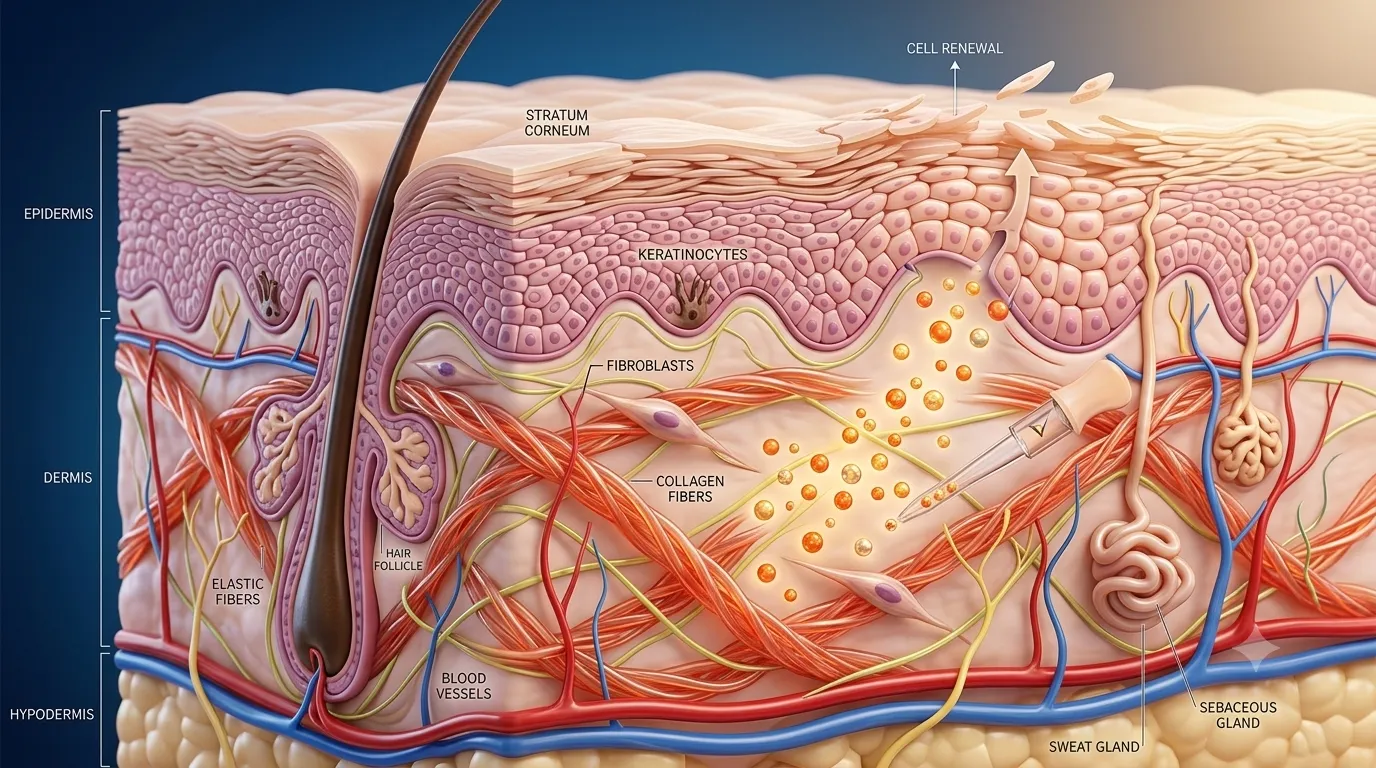
Unlike moisturizers that primarily hydrate the skin or exfoliating acids that loosen dead skin cells from the surface, retinol works by influencing the behavior of living skin cells.
Its effects develop gradually through several complementary mechanisms.
Encourages Healthy Cell Turnover
Retinol promotes the natural renewal of skin cells, helping fresh cells replace older surface cells more efficiently.
This process contributes to:
- Smoother skin texture
- Improved radiance
- More even skin tone
Supports Collagen Production
Collagen provides structural support that helps keep skin firm and resilient.
Natural collagen production declines with age.
Retinol helps stimulate processes associated with collagen synthesis, contributing to improvements in the appearance of fine lines and wrinkles over time.
Helps Normalize Pore Function
Healthy cell turnover helps reduce the accumulation of dead skin cells within pores.
This is one reason retinol is frequently incorporated into skincare routines for acne-prone skin.
Supports More Even Pigmentation
Retinol influences skin renewal, helping gradually improve the appearance of uneven pigmentation and post-inflammatory marks when used consistently alongside daily sun protection.
Evidence-Based Benefits of Retinol
Retinol has earned its reputation as one of the most effective skincare ingredients because its benefits are supported by decades of clinical research rather than short-term beauty trends.
According to the American Academy of Dermatology (AAD), retinoids remain among the most extensively studied topical ingredients for improving signs of photoaging and supporting acne treatment. Likewise, numerous studies published in the Journal of Cosmetic Dermatology, Journal of the American Academy of Dermatology, and British Journal of Dermatology have demonstrated improvements in skin texture, wrinkles, pigmentation, and acne with consistent retinoid use.
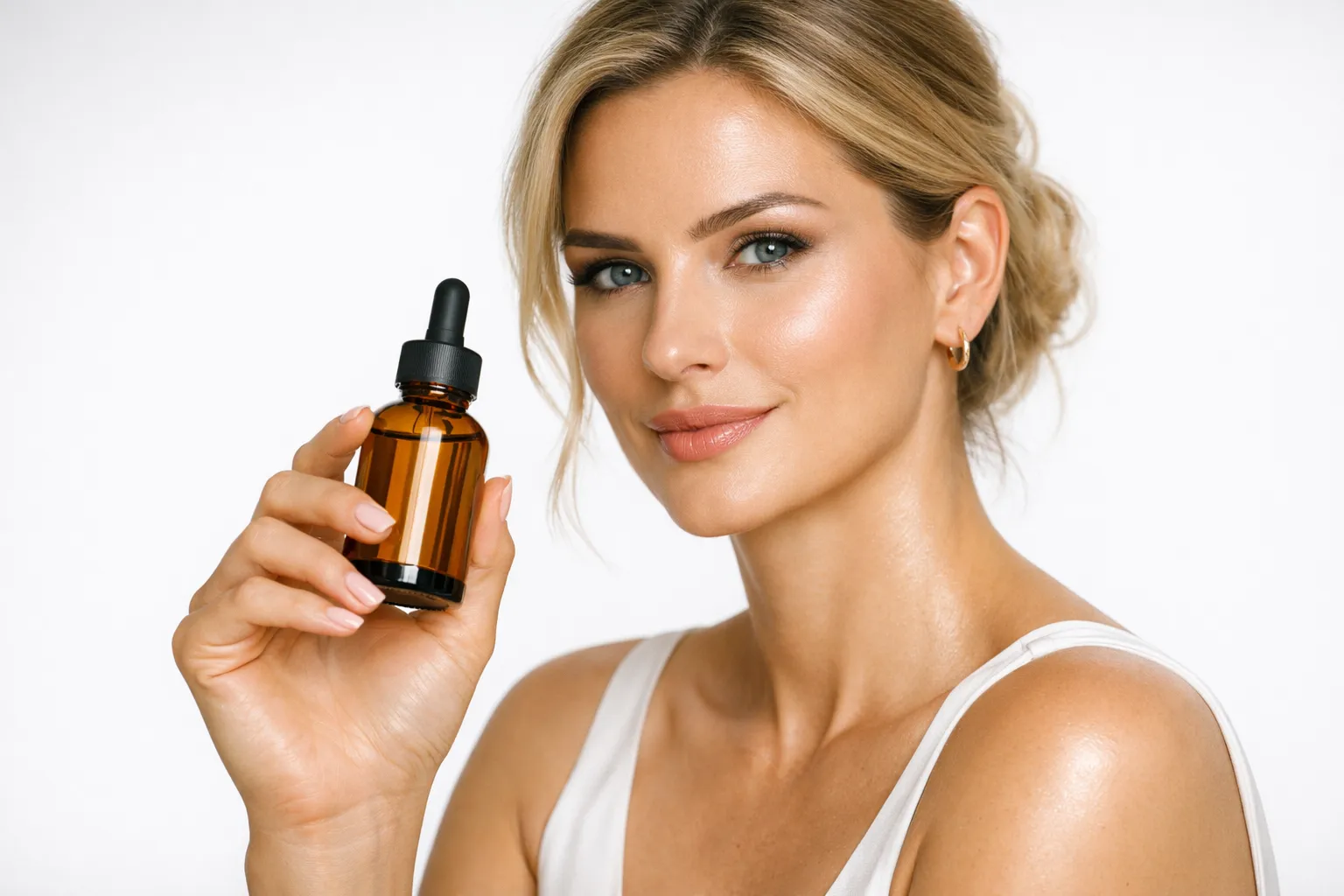
1. Helps Reduce the Appearance of Fine Lines and Wrinkles
One of retinol's best-known benefits is its ability to improve visible signs of skin aging.
As we age, collagen and elastin production gradually decline. At the same time, repeated ultraviolet (UV) exposure accelerates collagen degradation, contributing to wrinkles, fine lines, and loss of skin firmness.
Retinol helps support healthier skin by stimulating cellular renewal and encouraging collagen production.
Research published in the Journal of Investigative Dermatology has shown that topical retinoids can improve collagen synthesis while reducing enzymes that contribute to collagen breakdown.
Potential Benefits
- Softer appearance of fine lines
- Improved skin firmness
- Smoother skin texture
- Better skin elasticity
- Healthier-looking complexion
Visible improvements develop gradually, often becoming more noticeable after several months of consistent use.
Retinol doesn't "erase" wrinkles overnight. Instead, it helps improve the underlying biological processes responsible for healthier skin, making improvements more sustainable over time.
2. Supports Acne-Prone Skin
Another major reason dermatologists recommend retinoids is their role in acne management.
Acne develops through multiple contributing factors, including:
- Excess sebum production
- Clogged pores
- Inflammation
- Bacterial activity
Retinol primarily works by helping normalize skin cell turnover, reducing the accumulation of dead skin cells that can contribute to clogged pores.
According to the American Academy of Dermatology, topical retinoids are considered one of the foundational treatments for acne because they help prevent the formation of new comedones (clogged pores).
Benefits for Acne-Prone Skin
- Supports clearer pores
- Helps reduce blackheads
- Helps reduce whiteheads
- Encourages healthier skin renewal
- Complements other acne treatments
While retinol can be beneficial for acne-prone skin, persistent or severe acne should always be evaluated by a dermatologist.
Related Reading
3. Helps Improve Uneven Skin Tone
Uneven pigmentation can develop from:
- Sun exposure
- Post-inflammatory hyperpigmentation
- Aging
- Acne marks
Because retinol increases healthy cell turnover, it gradually helps replace older pigmented skin cells with newer, healthier cells.
According to research published in the Journal of Cosmetic Dermatology, topical retinoids may improve the appearance of uneven pigmentation when combined with consistent sun protection.
However, retinol does not work as a skin-bleaching agent.
Instead, it supports normal skin renewal, which may gradually improve the appearance of discoloration.
Related Reading
→ Does Sunscreen Help Dark Spots?
4. Improves Overall Skin Texture
Healthy skin continuously renews itself.
With age and environmental damage, this natural process slows.
Retinol helps normalize this cycle, contributing to smoother, more refined skin over time.
Potential improvements include:
- Reduced roughness
- More even texture
- Improved skin smoothness
- Healthier-looking complexion
This is one reason retinol is commonly recommended as part of anti-aging skincare routines.
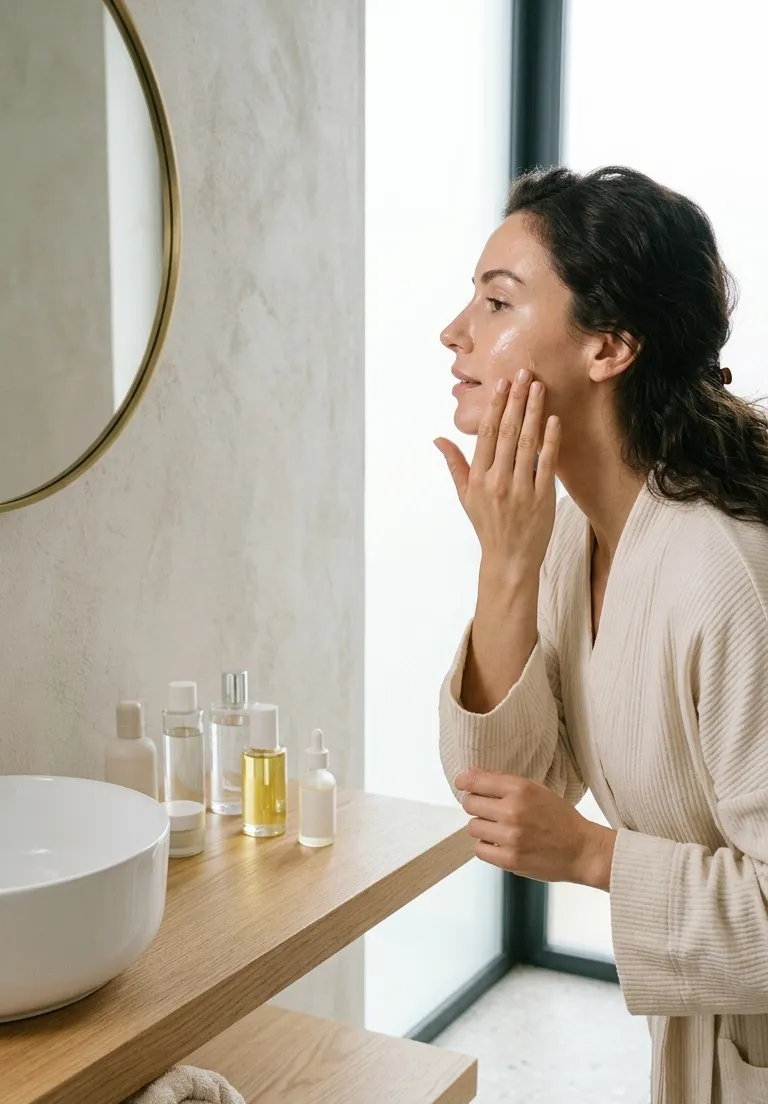
5. Supports Collagen Production
Collagen is one of the skin's primary structural proteins.
Natural collagen production declines beginning in early adulthood and continues to decrease with age.
Research published in the British Journal of Dermatology suggests that retinoids stimulate pathways associated with collagen production while reducing matrix metalloproteinases (MMPs), enzymes involved in collagen degradation.
Although retinol cannot completely reverse age-related collagen loss, it may contribute to healthier collagen maintenance when used consistently.
6. Helps Improve Sun-Damaged Skin
Long-term ultraviolet exposure is one of the leading contributors to premature skin aging.
Common signs include:
- Fine lines
- Wrinkles
- Rough texture
- Uneven pigmentation
- Loss of elasticity
Retinol supports healthier skin renewal, making it a valuable component of skincare routines designed to improve visible signs of photoaging.
According to the National Institutes of Health (NIH), ultraviolet radiation remains one of the most significant environmental contributors to skin aging. Retinol works best when paired with:
- Broad-spectrum sunscreen
- Gentle cleansing
Appropriate moisturization
Did You Know?
Using retinol without daily sunscreen may reduce the overall effectiveness of your skincare routine because continued UV exposure can counteract many of the improvements retinol is working to achieve.
Retinol for Different Skin Concerns
One of retinol's greatest strengths is its versatility. Rather than targeting a single issue, retinol supports several biological processes that influence overall skin health.
Retinol for Wrinkles
Retinol is widely used to improve visible signs of aging. Research supports its role in:
- Improving skin texture
- Softening fine lines
- Supporting collagen production
- Promoting smoother skin
Consistent use is essential because improvements develop gradually.
Retinol for Acne
By encouraging healthy skin renewal, retinol helps reduce clogged pores and supports acne-prone skin.
Many dermatologists consider topical retinoids one of the cornerstones of long-term acne management.
Retinol for Hyperpigmentation
Retinol promotes healthy skin turnover, helping fade the appearance of post-inflammatory pigmentation and mild sun-related discoloration over time.
Daily sunscreen remains critical because ultraviolet exposure can reactivate pigment production.
Retinol for Enlarged Pores
Although retinol cannot permanently shrink pores, improved cell turnover and healthier skin texture may reduce the appearance of enlarged pores.
Retinol for Uneven Skin Texture
By accelerating natural skin renewal, retinol contributes to smoother, healthier-looking skin.
Retinol for Different Skin Types
Retinol can be incorporated into many skincare routines, but the approach should be individualized.
Oily Skin
Individuals with oily skin often tolerate retinol well because increased oil production may reduce the likelihood of excessive dryness.
Benefits may include:
- Improved pore appearance
- Better skin texture
- Support for acne-prone skin
Dry Skin
People with dry skin can still use retinol, but moisturizing becomes especially important.
Look for products containing:
- Ceramides
- Glycerin
- Hyaluronic Acid
- Squalane
Introducing retinol gradually can help improve comfort.
Sensitive Skin
Sensitive skin requires a slower introduction.
Dermatologists often recommend:
- Lower concentrations
- Fewer applications each week initially
- Consistent moisturizer use
- Avoiding excessive exfoliation
Combination Skin
Combination skin typically benefits from retinol's ability to improve texture and support balanced skin renewal.
Mature Skin
Retinol remains one of the most extensively studied ingredients for healthy skin aging.
Many anti-aging skincare routines include retinol because of its evidence-based effects on:
- Fine lines
- Skin texture
- Elasticity
- Overall skin appearance
Retinol Before and After: What Should You Expect?
Many online images promise dramatic transformations after only a few weeks of retinol use. In reality, results vary depending on factors such as:
- Skin type
- Concentration
- Consistency of use
- Sun protection
- Overall skincare routine
During the First Few Weeks
Some people experience:
- Mild dryness
- Temporary flaking
- Tightness
- Increased sensitivity
These effects often improve as the skin adapts.
After Several Weeks
Gradual improvements may include:
- Smoother skin texture
- Brighter complexion
- Reduced appearance of fine lines
- Healthier overall skin appearance
After Several Months
Long-term users may notice:
- Better skin resilience
- More even tone
- Improved firmness
- Healthier-looking skin
Individual results vary, and realistic expectations are important.
What Expert Say?
The most successful retinol users are rarely those using the strongest product. They are usually the people who introduce retinol gradually, protect their skin barrier, wear sunscreen every day, and remain consistent over time.
How to Use Retinol Safely
Retinol is one of the most effective skincare ingredients available, but proper use is essential for achieving long-term benefits while minimizing irritation. Unlike moisturizers that can usually be applied immediately without adjustment, retinol should be introduced gradually so the skin has time to adapt.
Dermatologists often refer to this adjustment period as retinization, during which the skin becomes accustomed to retinoids.
Step 1: Start Slowly
If you are new to retinol, begin with a low-strength product and apply it 2–3 nights per week.
After several weeks, if your skin tolerates it well, gradually increase the frequency.
This approach reduces the likelihood of excessive dryness or irritation.
Step 2: Apply to Clean, Dry Skin
After cleansing, allow your skin to dry completely before applying retinol.
Applying retinol to damp skin may increase absorption and, for some people, increase irritation.
Use only a pea-sized amount for the entire face.
Applying more product does not produce faster results.
Step 3: Moisturize
A moisturizer helps support the skin barrier and improves comfort during the adjustment period.
Look for moisturizers containing:
- Ceramides
- Glycerin
- Hyaluronic Acid
- Squalane
- Panthenol
These ingredients help replenish moisture while supporting barrier repair.
Step 4: Wear Sunscreen Every Morning
Retinol supports healthier skin renewal, but newly renewed skin may be more vulnerable to ultraviolet (UV) damage.
The American Academy of Dermatology (AAD) recommends using a broad-spectrum sunscreen with SPF 30 or higher every day, especially when using retinoids.
Without consistent sun protection, UV exposure can reduce many of the improvements retinol is working to achieve and increase the risk of sunburn and pigmentation.
Related Reading
- Everything You Need to Know About Sunscreen
- Does Sunscreen Help Dark Spots?
How Often Should You Use Retinol?
One of the most common Google searches is:
How often should you use retinol?
The answer depends on your experience level, skin type, and the strength of the product.
Beginners
- Start 2–3 evenings per week
- Increase gradually if tolerated
Intermediate Users
- Every other evening
Experienced Users
- Once daily (typically in the evening), if well tolerated
Sensitive skin may require less frequent application, and there is no benefit to increasing frequency faster than your skin can comfortably tolerate.
Is Retinol Safe for Daily Use?
Another frequently asked question is:
Is retinol safe for daily use?
For many people, yes—but only after the skin has adjusted.
Daily use is not necessary for everyone, and some individuals achieve excellent results with applications every other night or a few times per week.
The goal is consistent, long-term use rather than maximum frequency.
Can You Use Niacinamide with Retinol?
Yes.
This is one of the best ingredient combinations supported by dermatology research. Niacinamide and retinol work through different biological mechanisms and can complement each other.
Benefits of Combining Them
- Supports the skin barrier
- Improves hydration
- Helps reduce irritation associated with retinol
- Addresses multiple skin concerns simultaneously
Many modern skincare products combine these ingredients because they work well together.
Related Reading
- Everything You Need to Know About Niacinamide
- Niacinamide and Retinol
Can You Use Salicylic Acid with Retinol?
Yes—but with caution.
Salicylic acid and retinol are both effective skincare ingredients, but they address different concerns:
- Salicylic acid exfoliates inside pores and helps manage excess oil.
- Retinol supports skin renewal and collagen production.
Using both at the same time may increase the likelihood of dryness or irritation, especially for beginners or individuals with sensitive skin.
Best Practices
- Introduce each ingredient separately.
- Consider alternating nights.
- Use a moisturizer consistently.
- Reduce frequency if irritation develops.
Related Reading
- Salicylic Acid and Retinol
- Salicylic Acid: Complete Guide
Retinol Side Effects
Like all active skincare ingredients, retinol may cause temporary side effects, particularly during the adjustment period. Common effects include:
- Dryness
- Mild flaking
- Tightness
- Temporary redness
- Increased sensitivity
These reactions often improve as the skin adapts.
If severe irritation, persistent burning, or significant discomfort occurs, discontinue use and seek advice from a qualified healthcare professional or dermatologist.
Can You Use Retinol While Breastfeeding?
This is a common question, but it involves a distinct medical safety topic.
Current guidance on topical retinoid use during pregnancy and breastfeeding varies among professional organizations, and recommendations may depend on the specific retinoid, the formulation, and an individual's circumstances.
Because this is a Your Money or Your Life (YMYL) topic, decisions should be made in consultation with a physician, dermatologist, or obstetric healthcare provider.
For a detailed evidence review, see our dedicated guide:
→ Can You Use Retinol While Breastfeeding?
Common Mistakes to Avoid Using Retinol
Avoiding common mistakes helps maximize the benefits of retinol while minimizing irritation.
Using Too Much Product
A pea-sized amount is generally sufficient for the entire face.
Starting Too Frequently
Gradually increasing frequency allows the skin to adapt more comfortably.
Skipping Moisturizer
Moisturizer supports barrier function and improves comfort during retinization.
Skipping Sunscreen
Daily sunscreen is essential when using retinol.
Mixing Too Many Active Ingredients at Once
Introducing several potent ingredients simultaneously can make it difficult to identify the cause of irritation.
Expecting Immediate Results
Visible improvements often require 8–12 weeks, while collagen-related changes may take several months.
Expert Insight
Retinol rewards consistency, not speed. The users who achieve the best long-term results are typically those who introduce it gradually, protect their skin barrier, and maintain daily sun protection rather than chasing the highest concentration or fastest results.
Myths vs Facts About Retinol
Myth | Fact |
Retinol permanently thins the skin. | Long-term use supports epidermal renewal and collagen production rather than permanently thinning healthy skin. |
Stronger retinol always works better. | Higher strengths may increase irritation without providing proportionally better results for everyone. |
Retinol should only be used by older adults. | Adults with concerns such as acne, photoaging, or uneven skin tone may benefit under appropriate guidance. |
You cannot use niacinamide with retinol. | These ingredients are generally compatible and often complement each other. |
Retinol should never be used in summer. | Retinol can be used year-round with consistent broad-spectrum sunscreen. |
Retinol replaces sunscreen. | Sunscreen remains essential for protecting the skin from UV damage. |
Results appear within a few days. | Meaningful improvements generally require weeks to months of consistent use. |
More product gives faster results. | Excess application increases irritation rather than effectiveness. |
Everyone experiences retinol purging. | Not everyone experiences purging, and temporary breakouts depend on individual skin conditions and the product used. |
Retinol is suitable for everyone without exception. | Some individuals, including those with certain medical circumstances, should seek professional advice before use. |
Frequently Asked Questions About Retinol
Can you use salicylic acid with retinol?
Yes, but they should be introduced carefully. Alternating evenings is often a practical approach for people prone to irritation.
What does retinol do to your skin?
Retinol supports healthy skin renewal, stimulates collagen production, improves the appearance of fine lines, promotes smoother skin texture, and helps manage acne-prone skin over time.
What does retinol do for your face?
When used consistently, retinol may improve skin texture, uneven pigmentation, wrinkles, and overall skin appearance by supporting normal cellular turnover
How often should you use retinol?
Most beginners start with two or three applications per week, gradually increasing frequency as tolerated.
What is retinol used for?
Retinol is commonly used to address visible signs of skin aging, acne-prone skin, uneven skin tone, rough texture, and loss of firmness.
Is retinol safe for daily use?
Many people can use retinol daily after their skin has adjusted, but beginners should introduce it gradually and monitor skin tolerance.
Can you use niacinamide with retinol?
Yes. Niacinamide may help support the skin barrier and reduce irritation, making it one of the most compatible ingredients to pair with retinol.
What age should you start using retinol?
There is no universal age. Adults may begin using retinol when addressing concerns such as acne, uneven pigmentation, or early signs of photoaging. Product selection should match individual skin needs rather than age alone.
Expert Summary
Retinol remains one of the most thoroughly researched ingredients in dermatology. As a vitamin A derivative, it works beneath the skin's surface to support healthy cell turnover, stimulate collagen production, improve skin texture, and address concerns such as acne, fine lines, and uneven pigmentation. Its effectiveness is backed by decades of scientific evidence, but successful use depends on gradual introduction, consistent application, and daily sun protection.
Conclusion
Retinol has earned its reputation as one of the most effective topical skincare ingredients because it addresses multiple aspects of skin health through well-understood biological mechanisms. Whether your goal is reducing the appearance of wrinkles, improving acne-prone skin, enhancing skin texture, or promoting a more even complexion, retinol offers evidence-based benefits when used correctly.
Rather than focusing on quick results, build a routine centered on patience, consistency, and skin barrier support. Start slowly, moisturize regularly, wear sunscreen every day, and choose products appropriate for your skin type. Over time, these habits can help you achieve healthier, stronger, and more resilient skin.
Scientific References
American Academy of Dermatology (AAD). Guidance on topical retinoids, acne management, photoaging, and daily sun protection.
National Institutes of Health (NIH). Office of Dietary Supplements. Vitamin A Fact Sheet for Health Professionals.
National Library of Medicine (PubMed). Clinical research on topical retinoids and skin health.
Journal of the American Academy of Dermatology (JAAD). Evidence supporting topical retinoids in acne and photoaging.
Llamas-Velasco, M., Vitale, M., & Eguren, C. (2026). Efficacy and Safety of a New Retinol Formulation in Amelioration of Photoaging: A Pilot Clinical Study. Cosmetics, 13(2), 95. https://doi.org/10.3390/cosmetics13020095
British Journal of Dermatology. Studies on retinoids, collagen synthesis, and skin barrier function.
Journal of Investigative Dermatology. Research on retinoid mechanisms, epidermal renewal, and collagen metabolism.