
QUICK ANSWER
Acne is a chronic inflammatory skin condition that occurs when hair follicles become clogged with oil, dead skin cells, and debris. It can appear as blackheads, whiteheads, pimples, nodules, or cysts. Acne is influenced by hormones, genetics, inflammation, lifestyle factors, and skincare habits, but effective treatments and prevention strategies are available for most people.
Table of Contents
How to stop Acne Guide? Causes, Types, Treatment & Prevention
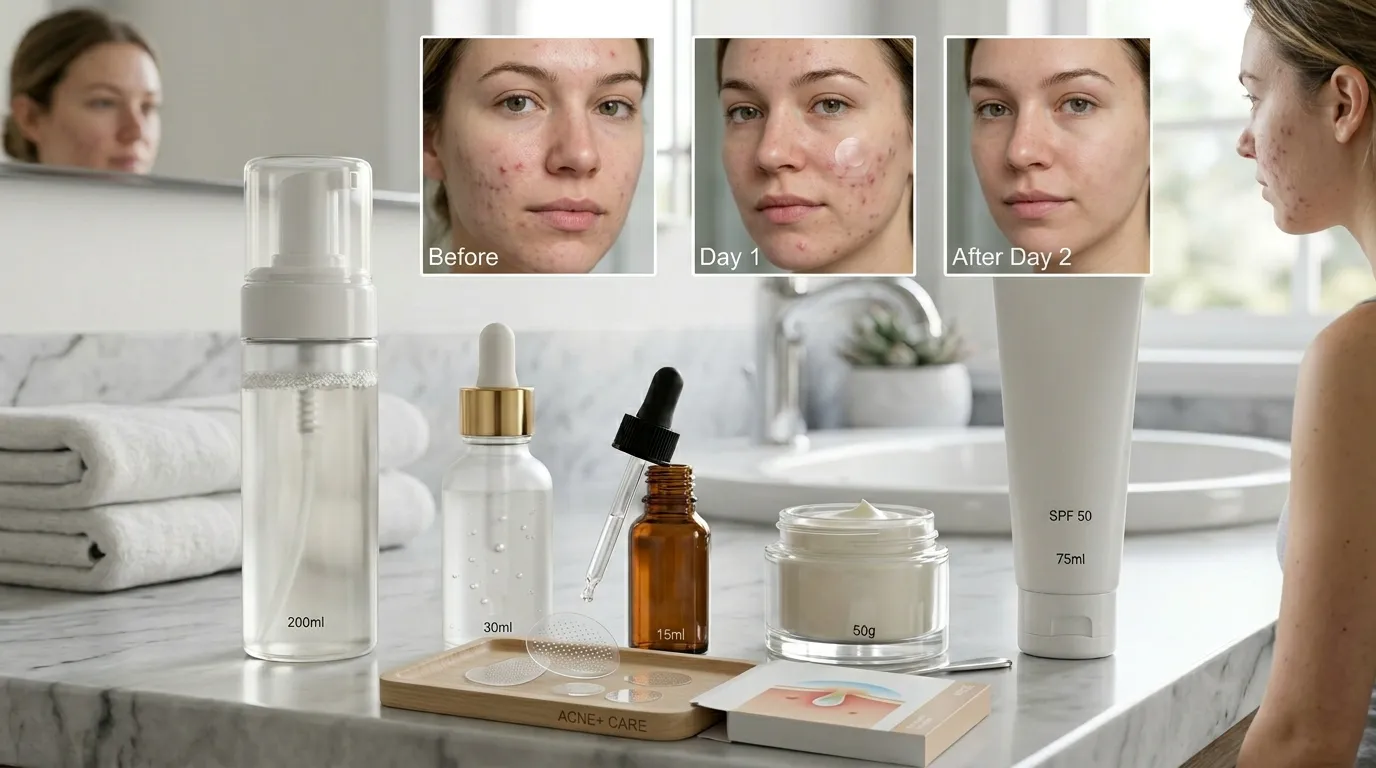
Acne is one of the most common skin conditions in the world, affecting people of all ages, ethnicities, and skin types. Although many individuals associate acne with teenage years, breakouts can persist well into adulthood and may affect confidence, emotional well-being, and quality of life.
Modern dermatology recognizes acne as much more than a cosmetic issue. It is a complex inflammatory condition involving multiple biological processes occurring beneath the skin's surface. Understanding these processes is essential because successful acne management requires more than simply treating visible pimples.
Today, acne affects millions of people across the United States, United Kingdom, Canada, Australia, and around the world. Advances in skincare science, dermatology, and ingredient research have dramatically improved our understanding of why acne develops and how it can be effectively managed.
This Acne Resource Center serves as a comprehensive guide covering the causes, types, treatments, prevention strategies, and scientific principles behind acne. It also acts as the central hub for all acne-related educational content on Lunaria Organics.
Scientific Definition
Acne, medically known as Acne Vulgaris, is a chronic inflammatory disorder of the pilosebaceous unit. The pilosebaceous unit consists of:
- Hair follicles
- Sebaceous (oil) glands
- Hair shafts
- Associated skin structures
Acne develops when these structures become disrupted by excess oil production, abnormal shedding of skin cells, bacterial activity, and inflammation. The condition most commonly appears on areas of the body with a high concentration of sebaceous glands, including:
- Face
- Forehead
- Chin
- Jawline
- Neck
- Chest
- Shoulders
- Upper back
While acne is not usually dangerous, severe or untreated acne may result in permanent scarring and pigmentation changes.
Why Acne Matters?
Many people underestimate acne because it is so common. However, its impact often extends beyond the skin. Acne may contribute to:
Physical Effects
- Painful inflammatory lesions
- Skin sensitivity
- Persistent redness
- Acne scars
- Post-inflammatory hyperpigmentation
Emotional Effects
- Reduced self-confidence
- Social anxiety
- Embarrassment
- Stress
- Lower quality of life
Financial Effects
Many individuals spend significant amounts of money on skincare products, treatments, dermatologist visits, and cosmetic procedures.
Because acne affects both appearance and emotional well-being, understanding and treating it effectively is important for overall health.
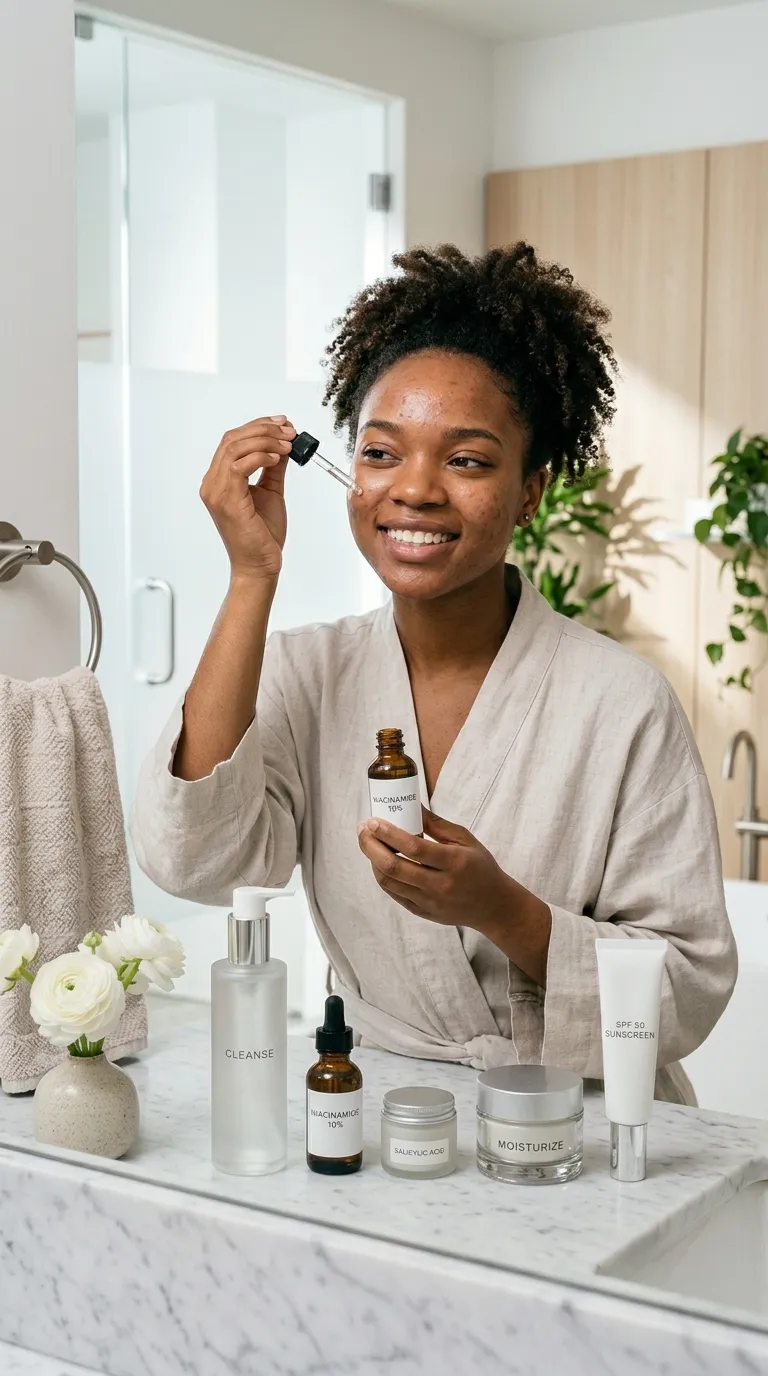
Acne Statistics and Global Impact
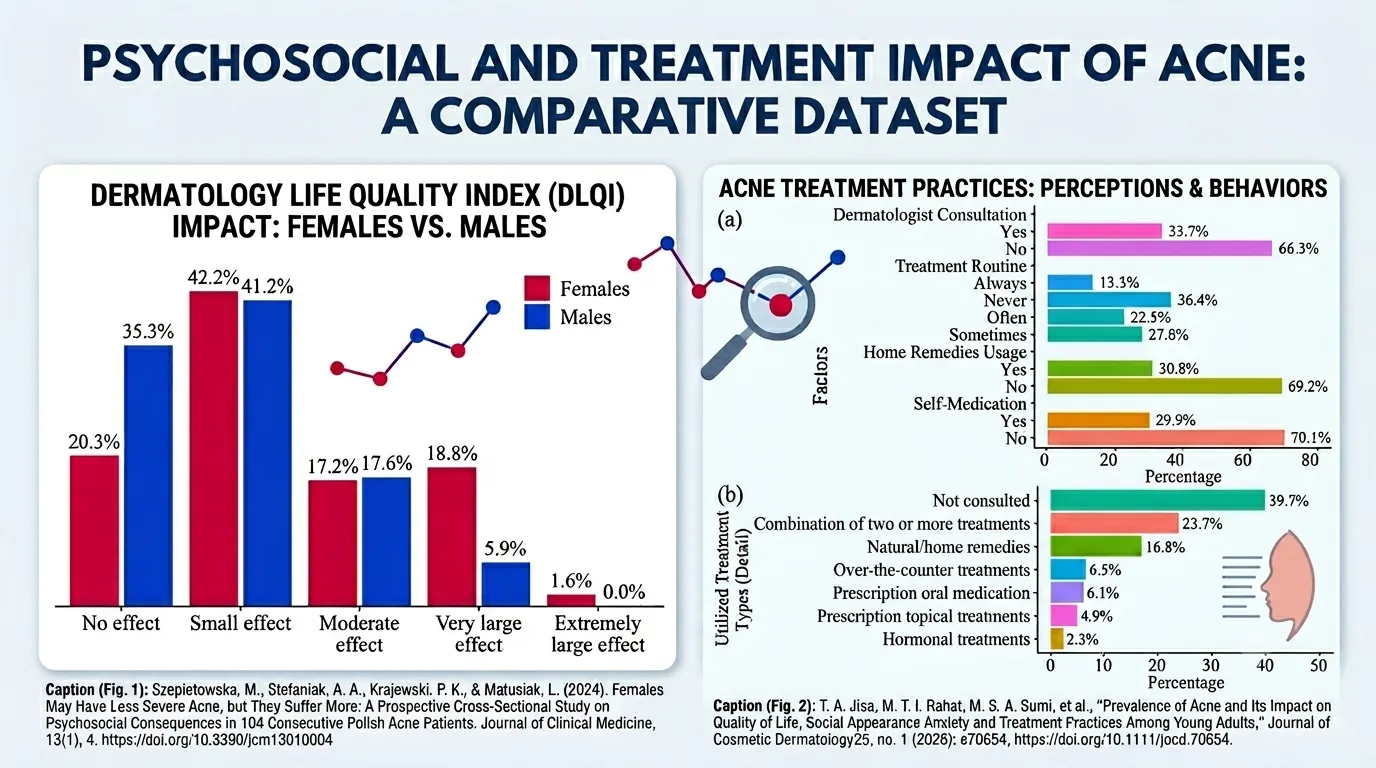
Acne is among the most prevalent skin disorders worldwide. Research indicates:
- Approximately 85% of people experience acne at some point in their lives.
- Acne is most common between ages 12 and 24.
- Adult acne continues to increase, particularly among women.
- Millions of dermatology appointments each year are related to acne management.
- Acne remains one of the leading causes of skin-related psychological distress.
Contrary to popular belief, acne is not limited to teenagers. Many adults continue to experience breakouts into their 30s, 40s, and even 50s.
How Acne Develops
To understand acne, it helps to understand how healthy skin normally functions. Healthy skin continuously:
- Produces oil (sebum)
- Sheds dead skin cells
- Maintains a balanced skin microbiome
- Repairs itself
When one or more of these processes become disrupted, acne can develop. Modern dermatology identifies four primary factors involved in acne formation:
1. Excess Sebum Production
Sebaceous glands produce an oily substance called sebum. Sebum helps:
- Protect skin
- Reduce water loss
- Maintain flexibility
However, excessive oil production increases the likelihood of clogged pores.
2. Follicular Hyperkeratinization
This process occurs when dead skin cells do not shed normally.
Instead of exiting the pore, they accumulate and create a blockage.
These blockages are called:
Microcomedones
Microcomedones are often the earliest stage of acne development.
3. Bacterial Activity
Human skin naturally contains bacteria known as:
Cutibacterium acnes (C. acnes)
These bacteria are normal residents of healthy skin. However, clogged pores create an environment where bacterial populations may increase and contribute to inflammation.
4. Inflammation
Inflammation is now considered one of the central drivers of acne. Inflammatory processes can lead to:
- Redness
- Swelling
- Tenderness
- Pus formation
- Tissue damage
Inflammation is responsible for many of the visible and painful symptoms associated with acne.
Understanding Acne Biology
Acne is not caused by a single factor. Instead, it results from the interaction of:
Hormones:
Genetics:
Immune Response:
Skin Barrier Function:
Microbiome Balance:
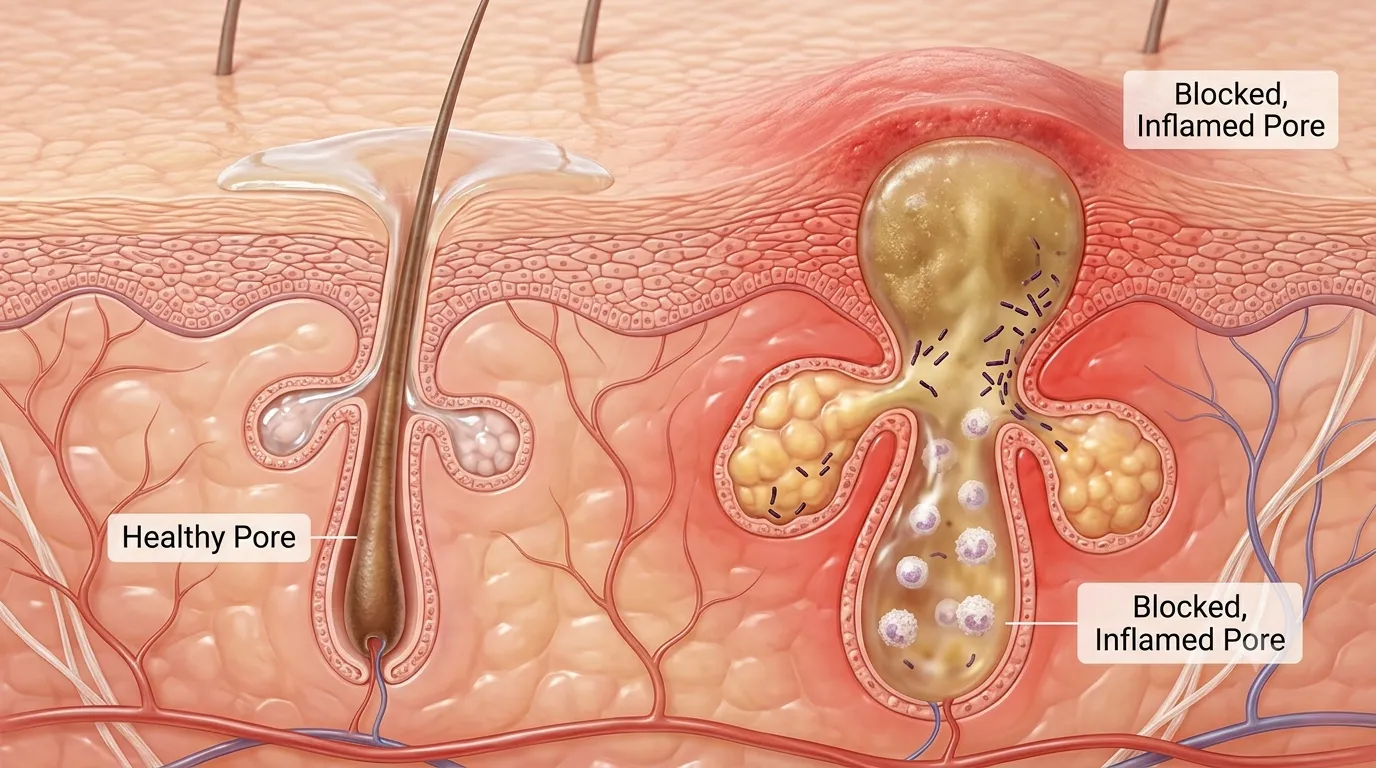
Close-up of acne-prone facial skin showing inflammatory acne lesions and healthy skin texture in a dermatology clinic setting.
Types of Acne
Understanding the different types of acne is important because treatment strategies often vary depending on the lesion type.
Non-Inflammatory Acne Blackheads (Open Comedones)
Blackheads occur when pores become clogged but remain open at the surface.
The dark appearance is caused by oxidation, not dirt.
Characteristics:
- Small dark spots
- Usually painless
- Common on the nose and T-zone
Related Reading:
→ Blackheads: Causes, Removal, and Prevention
Whiteheads (Closed Comedones)
Whiteheads occur when clogged pores remain closed beneath the skin.
Characteristics:
- Small flesh-colored bumps
- Usually non-painful
- Often appear on the forehead and cheeks
Related Reading:
→ Whiteheads Explained: Causes and Treatment
Inflammatory Acne Papules
Papules are small red bumps caused by inflammation.
Characteristics:
- Red appearance
- Tender to touch
- No visible pus
Pustules
Pustules contain visible pus and are commonly referred to as pimples.
Characteristics:
- Red base
- White or yellow center
- Inflamed appearance
Related Reading:
→ Acne vs Pimples: Which Skin Condition Do You Have?
Nodules
Nodules develop deeper within the skin.
Characteristics:
- Large size
- Painful
- Firm texture
- Increased scarring risk
Cysts
Cystic acne represents one of the most severe forms of acne.
Characteristics:
- Deep lesions
- Significant inflammation
- Pain
- High risk of permanent scarring
Related Reading:
→ Cystic Acne: Causes, Symptoms, and Treatment
Acne Severity Levels
Dermatologists generally classify acne into:
Mild Acne
- Mostly blackheads and whiteheads
- Few inflammatory lesions
Moderate Acne
- Increased inflammation
- Multiple papules and pustules
Severe Acne
- Nodules
- Cysts
- Significant inflammation
Higher scarring risk
Common Acne Symptoms
Acne symptoms can vary significantly from person to person. Some individuals experience only occasional blackheads, while others may struggle with chronic inflammatory acne that affects large areas of the face and body. Recognizing acne symptoms early can help prevent progression and reduce the risk of long-term skin damage.
Visible Symptoms
The most common visible signs of acne include:
Blackheads
Open pores clogged with oil and dead skin cells.
Whiteheads
Closed clogged pores that appear as small flesh-colored bumps.
Pimples
Inflamed lesions that may contain pus.
Redness
Inflammation around affected follicles.
Enlarged Pores
Often associated with oily and acne-prone skin.
Oily Skin
Many acne sufferers experience excess sebum production.
Less Obvious Symptoms
Acne can also cause symptoms that are less noticeable but equally important.
Skin Sensitivity
Inflamed skin may become more reactive to skincare products and environmental stressors.
Persistent Inflammation
Low-grade inflammation may continue even when visible breakouts appear mild.
Uneven Skin Texture
Repeated breakouts can affect overall skin smoothness.
Dark Spots
Post-inflammatory hyperpigmentation often develops after acne lesions heal.
Related Reading:
→ Post-Inflammatory Hyperpigmentation (PIH): Causes and Treatment
Major Causes of Acne
One of the most common questions people ask is: What Causes Acne? The answer is complex because acne develops from multiple interacting factors. No single cause explains every case.
1. Hormonal Factors
Hormones play a central role in acne development. Androgens, including testosterone, stimulate sebaceous glands to produce more oil. Increased oil production raises the risk of clogged pores and inflammation. Hormonal fluctuations commonly occur during:
- Puberty
- Menstrual cycles
- Pregnancy
- Menopause
- PCOS
- Certain medical conditions
Related Reading:
→ Hormonal Acne: Causes, Symptoms, and Treatment
2. Genetic Factors
Genetics strongly influence:
- Oil production
- Inflammatory response
- Acne severity
- Scarring risk
Research consistently shows that individuals with a family history of acne are more likely to develop acne themselves. If one or both parents experienced severe acne, your risk may be higher.
2. Excess Oil Production
Sebum is essential for healthy skin, but excessive sebum production contributes to acne formation. When oil mixes with:
- Dead skin cells
- Environmental debris
- Bacteria
pores become more likely to clog. People with oily skin often experience more frequent breakouts because of this process.
Related Reading:
→ Oily Skin and Acne: Understanding the Connection
3. Abnormal Skin Cell Shedding
Healthy skin naturally sheds dead cells. In acne-prone individuals, these cells may accumulate within pores instead of shedding normally. This process creates:
- Whiteheads
- Blackheads
- Microcomedones
which often represent the earliest stages of acne development.
4. Inflammation
Inflammation is now recognized as one of the most important components of acne. Even before visible pimples appear, inflammatory processes may already be occurring beneath the skin. Inflammation contributes to:
- Redness
- Swelling
- Tenderness
- Scarring risk
5. Lifestyle Factors
Lifestyle habits can influence acne severity. Although lifestyle does not directly cause acne, certain behaviors may worsen existing breakouts.
Examples include:
Poor Sleep:
Insufficient sleep can increase stress hormones and inflammatory activity.
Chronic Stress:
Stress may trigger hormonal changes that aggravate acne.
Smoking:
Research suggests smoking may contribute to certain acne patterns and delayed healing.
Inconsistent Skincare:
Using harsh products or frequently changing routines can disrupt the skin barrier.
6. Environmental Factors
Environmental conditions may worsen acne in susceptible individuals. Examples include:
Humidity
Hot and humid climates can increase oil production.
Pollution
Air pollution may contribute to oxidative stress and skin irritation.
Friction
Repeated friction from:
- Masks
- Helmets
- Sports equipment
can contribute to acne mechanica.
Related Reading:
→ Mask Acne (Maskne): Causes and Prevention
7. Cosmetic-Related Factors
Certain cosmetic products may contribute to breakouts.
Potential concerns include:
- Heavy foundations
- Occlusive ingredients
- Comedogenic products
- Poor makeup removal habits
Choosing non-comedogenic skincare products may help reduce the risk of pore congestion.
Hormonal Acne
Hormonal acne is one of the most searched acne-related topics online. Unlike occasional breakouts, hormonal acne is driven primarily by fluctuations in hormone levels.
Common Characteristics
Hormonal acne often appears:
- Along the jawline
- Around the chin
- Lower face
- Neck
Many people notice breakouts that follow predictable hormonal patterns.
Hormonal Acne in Women
Hormonal acne is particularly common among adult women. Potential triggers include:
Menstrual Cycles
Many women experience increased breakouts in the days before menstruation.
Pregnancy
Hormonal shifts during pregnancy may either improve or worsen acne.
Menopause
Changing hormone levels can contribute to adult-onset acne.
PCOS
Polycystic Ovary Syndrome is frequently associated with persistent hormonal acne.
Related Reading:
→ Hormonal Acne in Women: Complete Guide
Hormonal Acne in Men
Men generally produce higher levels of androgens, which contribute to increased oil production.
Although acne often improves after adolescence, hormonal influences may persist into adulthood.
Adult Acne
Many people assume acne disappears after the teenage years. Unfortunately, this is not always true. Adult acne has become increasingly common.
What Is Adult Acne?
Adult acne refers to acne that:
- Continues after age 25
- Appears for the first time in adulthood
- Persists for many years
Why Adult Acne Happens
Several factors may contribute:
Hormonal Fluctuations
One of the most common causes.
Chronic Stress
Long-term stress may affect hormone regulation.
Genetics
Family history remains important.
Cosmetic Products
Certain products may contribute to persistent breakouts.
Skin Barrier Damage
Overuse of active ingredients can worsen irritation and inflammation.
Adult Female Acne
Adult female acne is one of the fastest-growing dermatological concerns. Common patterns include:
- Jawline breakouts
- Chin acne
- Monthly flare-ups
- Persistent inflammation
Related Reading:
→ Adult Female Acne: Causes and Solutions
Acne by Age Group
Acne can affect individuals throughout life.
Teenage Acne
Teenage acne is primarily driven by puberty-related hormonal changes. Common characteristics:
- Oily skin
- Blackheads
- Whiteheads
- Forehead breakouts
Young Adult Acne
Ages 20–30 often experience:
- Hormonal acne
- Lifestyle-related flare-ups
- Stress-associated breakouts
Adult Acne (30+)
Adults may experience:
- Persistent acne
- Hormonal acne
- Increased sensitivity
- Slower healing
Acne by Gender
Although acne affects all genders, patterns often differ.
Acne in Women
More likely to involve:
- Hormonal fluctuations
- Jawline acne
- Adult-onset acne
Acne in Men
More likely to involve:
- Higher oil production
- Severe inflammatory lesions
- Back and chest acne
Acne and Mental Health
Acne affects more than skin.
Research consistently demonstrates a connection between acne and emotional well-being.
Self-Confidence
Visible breakouts can affect self-image. Many individuals report:
- Reduced confidence
- Embarrassment
- Social discomfort
Social Impact
Acne may influence:
- Social interactions
- Workplace confidence
- School experiences
- Public appearances
Stress and Acne
A frustrating cycle often develops:
Stress Increases Acne
Stress hormones may contribute to inflammation and oil production.
Acne Increases Stress
Visible breakouts may create additional emotional distress.
Breaking this cycle often requires addressing both skin health and overall well-being.
Related Reading:
→ Stress and Acne: What Science Says
Why Acne Keeps Coming Back
One of the biggest frustrations for acne sufferers is recurrence. Many people successfully clear acne temporarily, only to experience new breakouts weeks or months later.
Common reasons include:
- Hormonal fluctuations
- Inconsistent treatment
- Early discontinuation of products
- Underlying inflammation
- Inadequate skincare routines
- Lifestyle triggers
Acne management often requires long-term consistency rather than short-term treatment.
Acne Treatment Expectations
A common mistake is expecting immediate results. Most evidence-based acne treatments require:
4–6 Weeks
Initial improvements may begin.
8–12 Weeks
More noticeable improvements often occur.
3–6 Months
Significant progress becomes visible. Patience and consistency are critical for successful acne management.
Evidence-Based Acne Treatments
The most effective acne treatments target one or more of the underlying causes of acne:
- Excess oil production
- Clogged pores
- Bacterial activity
- Inflammation
The best treatment plan depends on acne severity, skin type, age, and individual triggers.
Medical Treatments
Topical Retinoids
Retinoids are among the most researched and dermatologist-recommended acne treatments.
Benefits:
- Prevent clogged pores
- Improve cell turnover
- Reduce new breakouts
- Improve post-acne marks
Potential limitations:
- Dryness
- Irritation
- Increased sun sensitivity
Related Reading:
→ Retinoids for Acne: Complete Guide
Benzoyl Peroxide
Benzoyl peroxide helps reduce acne-causing bacteria and inflammation.
Benefits:
- Effective for inflammatory acne
- Helps prevent bacterial resistance
- Widely available
Limitations:
- May cause dryness
- Can bleach fabrics
Related Reading:
→ Benzoyl Peroxide vs Salicylic Acid
Prescription Treatments
Dermatologists may prescribe:
- Topical antibiotics
- Oral antibiotics
- Hormonal therapies
- Isotretinoin
These treatments are generally reserved for moderate to severe acne.
Related Reading:
→ Prescription Acne Treatments Explained
Dermatologist-Recommended Skincare Ingredients for Acne
The right ingredients can make a significant difference in acne management.
Best Ingredients for Acne
| Ingredient | Benefits | Scientific Evidence |
| Salicylic Acid | Unclogs pores, reduces oil buildup | Strong |
| Benzoyl Peroxide | Targets acne-causing bacteria | Strong |
| Retinoids | Prevent clogged pores and breakouts | Strong |
| Niacinamide | Reduces redness and supports barrier function | Strong |
| Azelaic Acid | Helps acne and post-acne pigmentation | Strong |
| Sulfur | Reduces excess oil and blemishes | Moderate |
| Zinc | Supports oil regulation and inflammation control | Moderate |
| Green Tea Extract | Antioxidant and soothing effects | Emerging |
| Ceramides | Support skin barrier repair | Strong |
| Hyaluronic Acid | Maintains hydration during treatment | Strong |
Salicylic Acid for Acne
Salicylic acid is a beta-hydroxy acid (BHA) that penetrates pores and helps dissolve excess oil and debris.
Best for:
- Blackheads
- Whiteheads
- Oily skin
- Mild acne
Related Reading:
→ Salicylic Acid for Acne: Benefits and Side Effects
Niacinamide for Acne Prone Skin
Niacinamide is one of the most versatile skincare ingredients.
Benefits include:
- Oil regulation
- Reduced redness
- Barrier support
- Improved skin tone
Related Reading:
→ Niacinamide for Acne: Benefits, and Science
Azelaic Acid
Azelaic acid is particularly useful for individuals dealing with both acne and dark spots.
Benefits:
- Reduces inflammation
- Helps prevent clogged pores
- Improves post-inflammatory hyperpigmentation
Related Reading:
→ Azelaic Acid for Acne and Hyperpigmentation
Acne Skincare Routine
Morning Routine
A consistent skincare routine is often more important than using many products.
Step 1: Gentle Cleanser: Use a cleanser suitable for your skin type.
Step 2: Treatment Serum: Examples:
- Niacinamide
- Azelaic Acid
Step 3: Moisturizer: Choose a lightweight, non-comedogenic moisturizer.
Step 4: Sunscreen: Apply broad-spectrum SPF 30 or higher every day.
Related Reading:
→ Best Sunscreens for Acne-Prone Skin
Evening Routine
Step 1: Cleanser
Remove dirt, oil, and sunscreen.
Step 2: Active Treatment
Examples:
- Retinoid
- Salicylic Acid
- Benzoyl Peroxide
Step 3: Moisturizer
Support the skin barrier overnight.
Related Reading:
→ Complete Acne-Prone Skin Routine
Natural Remedies (Evidence-Based)
Natural remedies should complement—not replace—evidence-based treatment.
Green Tea Extract
Potential benefits:
- Antioxidant support
- Reduced inflammation
Aloe Vera
May help soothe irritated skin.
Colloidal Oatmeal
Supports skin barrier function and reduces irritation.
Tea Tree Oil
Some studies suggest antimicrobial benefits, but irritation can occur if used incorrectly.
Related Reading:
→ Natural Remedies for Acne: What Science Says
Acne Scars and Post-Acne Marks
Even after acne improves, some individuals continue to struggle with residual skin changes.
Acne Scars: Permanent scars may develop when inflammation damages deeper skin structures. Common scar types include:
Ice Pick Scars: Deep, narrow scars.
Boxcar Scars: Broad depressions with defined edges.
Rolling Scars: Wider depressions creating uneven skin texture.
Related Reading:
→ Acne Scars: Causes, Prevention, and Treatment
Post-Inflammatory Hyperpigmentation (PIH)
PIH refers to dark spots that remain after acne heals. PIH is particularly common in:
- Medium skin tones
- Olive skin tones
- Deeper skin tones
Related Reading:
→ Post-Acne Dark Spots: Complete Guide
Acne Prevention Framework
Daily Checklist: Although acne cannot always be completely prevented, several strategies can reduce breakouts.
Always Do
✓ Cleanse gently twice daily
✓ Wear sunscreen every day
✓ Use non-comedogenic products
✓ Moisturize consistently
✓ Change pillowcases regularly
✓ Manage stress
✓ Get sufficient sleep
✓ Stay physically active
✓ Maintain a balanced diet
Avoid to Do
✗ Picking pimples
✗ Harsh scrubs
✗ Overwashing
✗ Excessive exfoliation
✗ Sleeping in makeup
✗ Constantly switching products
When Should You See a Dermatologist?
Professional evaluation is recommended when:
- Acne is painful
- Acne is causing scars
- Over-the-counter products are ineffective
- Breakouts are severe
- Acne affects confidence or mental health
- Nodules or cysts develop
Early treatment often improves long-term outcomes.
Frequently Asked Questions About Acne
Is acne the same as pimples?
No. Acne is the overall skin condition, while pimples are one type of acne lesion.
Does diet cause acne?
Diet does not directly cause acne, but certain foods may worsen breakouts in susceptible individuals.
What is the best ingredient for acne?
The answer depends on the type of acne, but salicylic acid, benzoyl peroxide, retinoids, niacinamide, and azelaic acid have strong scientific support.
Can stress cause acne?
Stress may worsen acne by influencing hormones and inflammatory processes.
Can adults get acne?
Yes. Adult acne is increasingly common and often linked to hormonal changes.
Can acne be cured permanently?
There is currently no universal cure, but many people successfully manage acne with consistent treatment.
Does sunscreen help acne?
Yes. Sunscreen helps prevent post-inflammatory hyperpigmentation and protects the skin barrier.
Why does acne return after treatment?
Acne is a chronic condition. If underlying triggers remain, breakouts may return when treatment stops.
Conclusion
Acne is one of the most common skin conditions worldwide, but it is also one of the most misunderstood. Successful acne management requires understanding the underlying causes, choosing evidence-based treatments, protecting the skin barrier, and maintaining realistic expectations.
Whether you're dealing with occasional breakouts, hormonal acne, adult acne, or acne scars, consistent skincare and informed decisions can significantly improve long-term skin health. This Acne Resource Center serves as the foundation of Lunaria Organics' acne education hub and will continue to expand as new research and acne-related resources are added.