
Vitamin C: Complete Guide to Benefits, Foods, Supplements & Skin Health
Table of Contents
Vitamin C is one of the most well-known nutrients in the world, yet it's often associated with only one benefit—supporting the immune system. In reality, this essential vitamin plays a far broader role in human health. From helping your body produce collagen and absorb iron to protecting cells from oxidative stress, vitamin C is involved in hundreds of biological processes that influence your skin, bones, blood vessels, and overall well-being.
Unlike many animals, humans cannot produce vitamin C on their own. We also store only limited amounts of it, which means obtaining enough through diet or, in some cases, supplements is essential. Fortunately, a balanced diet rich in fruits and vegetables usually provides all the vitamin C that healthy adults need.
As interest in nutrition, healthy aging, and skincare continues to grow, vitamin C has become one of the most researched nutrients in modern medicine. It is widely discussed in relation to immune health, collagen production, antioxidant protection, wound healing, and dermatology. At the same time, questions about supplements, vitamin C serums, dosage, and deficiency have become increasingly common.
This comprehensive guide brings together the latest evidence-based information to help you understand what vitamin C is, why it matters, and how it supports your health. Throughout the article, you'll also find links to in-depth resources that explore specific topics in greater detail, making this page your central hub for everything related to vitamin C.
Quick Answer
Vitamin C, also known as ascorbic acid, is an essential water-soluble vitamin that supports collagen production, immune function, antioxidant defense, wound healing, and iron absorption. Because the human body cannot produce or store large amounts of vitamin C, it must be obtained regularly from foods such as citrus fruits, berries, kiwi, guava, bell peppers, broccoli, and other fruits and vegetables. Most healthy adults can meet their daily vitamin C needs through a balanced diet, while supplements may be appropriate for some individuals under professional guidance.
Quick Facts About Vitamin C
| Feature | Details |
| Scientific Name | Ascorbic Acid |
| Vitamin Type | Water-soluble vitamin |
| Main Functions | Collagen production, immune support, antioxidant protection, iron absorption |
| Natural Sources | Fruits and vegetables |
| Stored in the Body | Limited amounts |
| Daily Requirement | Varies by age, sex, and health status |
| Deficiency Disease | Scurvy |
| Excess Intake | Usually excreted in urine, though very high doses may cause digestive discomfort |
What Is Vitamin C?
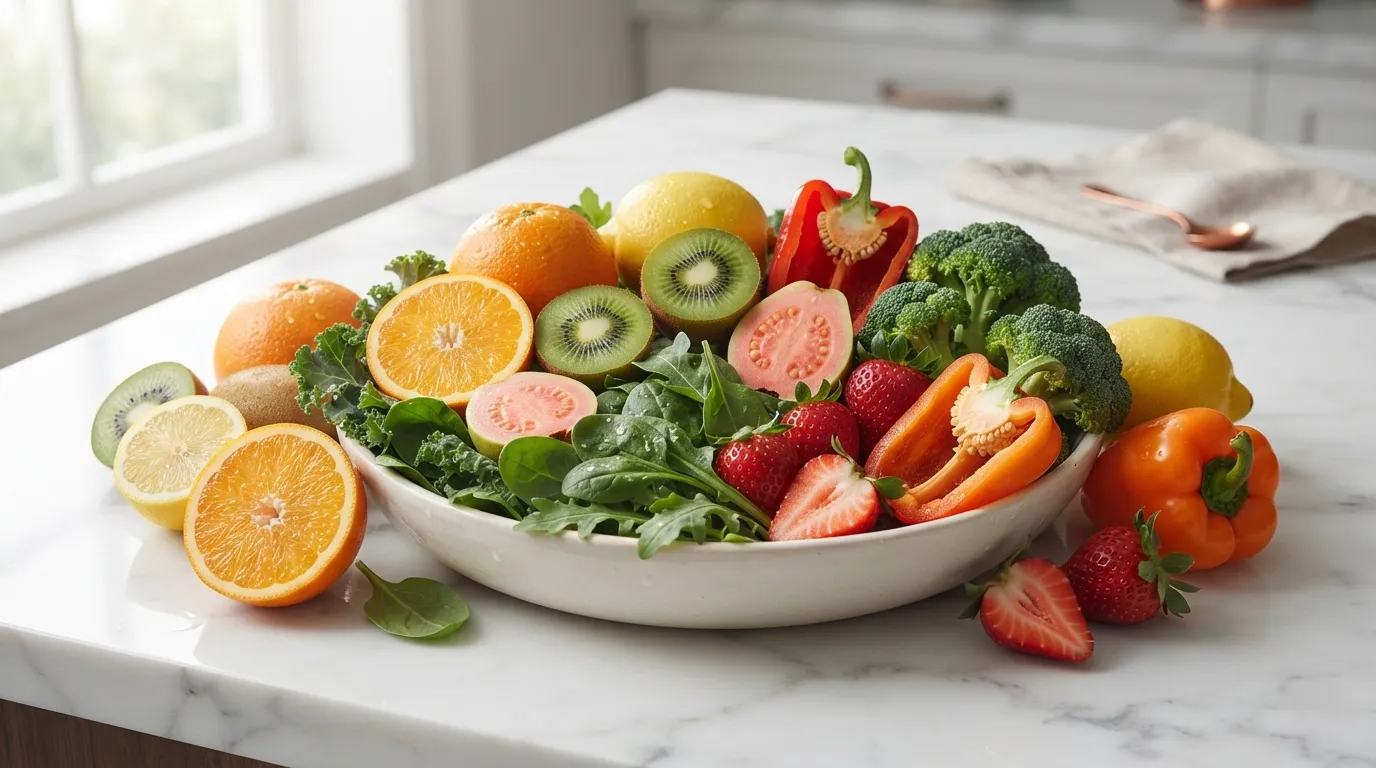
Vitamin C, scientifically known as ascorbic acid, is an essential nutrient that the human body needs for normal growth, tissue repair, and numerous metabolic functions. Unlike carbohydrates, proteins, and fats, vitamin C does not provide energy. Instead, it acts as a helper molecule in many biochemical reactions that keep the body functioning properly.
One of vitamin C's most important roles is supporting the production of collagen, the structural protein that gives strength and flexibility to skin, blood vessels, bones, cartilage, tendons, and ligaments. Without enough vitamin C, the body cannot efficiently produce healthy collagen, which is why prolonged deficiency can eventually lead to weakened connective tissues and impaired wound healing.
Vitamin C is also a powerful antioxidant. Every day, normal metabolism and environmental factors such as pollution, ultraviolet (UV) radiation, and cigarette smoke generate unstable molecules called free radicals. In excessive amounts, these molecules can damage cells through a process known as oxidative stress. Vitamin C helps neutralize free radicals, protecting cells and supporting normal cellular function.
Another unique characteristic of vitamin C is that it enhances the absorption of non-heme iron, the form of iron naturally found in plant-based foods. This makes vitamin C especially valuable for people who follow vegetarian or vegan diets.
Because the body cannot manufacture vitamin C or store significant reserves, regular dietary intake is essential. Fresh fruits and vegetables remain the primary and most reliable source.
Want to know which foods provide the most vitamin C? Explore our complete guide to Vitamin C-Rich Foods: Best Sources, Benefits & Daily Intake, where you'll find practical food lists, meal ideas, and tips for maximizing your intake naturally.
Why Vitamin C Matters for Overall Health
Vitamin C contributes to many essential physiological processes that work together to keep the body healthy. Rather than serving a single purpose, it supports multiple organ systems simultaneously.
Research has shown that adequate vitamin C intake contributes to:
- Normal collagen formation for healthy skin, cartilage, bones, gums, and blood vessels.
- Proper immune system function.
- Protection of cells from oxidative stress through antioxidant activity.
- Improved absorption of iron from plant-based foods.
- Normal wound healing.
- Maintenance of healthy connective tissues.
- Regeneration of vitamin E, another important antioxidant.
These functions explain why vitamin C is relevant across many areas of health, from nutrition and dermatology to sports medicine and healthy aging.
However, it's important to recognize that vitamin C is not a cure-all. While it plays a vital role in supporting normal physiological functions, overall health still depends on a balanced diet, regular physical activity, quality sleep, stress management, and appropriate medical care when needed.
For a deeper look at the science behind these roles, including how vitamin C supports different body systems, read our dedicated article on 17 Proven Vitamin C Benefits for Radiant Skin & Better Health.
How Vitamin C Works Inside Your Body?
Although vitamin C is obtained from food, its journey doesn't end after digestion. Once absorbed through the small intestine, it is transported through the bloodstream to tissues that require it most.
Different organs maintain varying concentrations of vitamin C depending on their metabolic activity. For example, high levels are found in the adrenal glands, brain, eyes, and certain immune cells, reflecting the nutrient's importance in these tissues.
At the cellular level, vitamin C functions as a cofactor for several enzymes. In simple terms, it helps activate proteins that carry out critical chemical reactions. These include reactions involved in:
- Collagen synthesis.
- Carnitine production, which helps convert fat into usable energy.
- Formation of certain neurotransmitters involved in normal nervous system function.
- Antioxidant recycling within cells.
Because vitamin C participates in so many biological pathways, maintaining adequate intake is important throughout life rather than only during periods of illness.
The body carefully regulates vitamin C absorption and excretion. When intake is moderate, absorption is efficient. As intake increases substantially, the body absorbs a smaller percentage and eliminates excess amounts through urine. This is one reason why consuming extremely high doses does not necessarily provide proportionally greater benefits for healthy individuals.
Why Food Should Be Your First Source of Vitamin C ?
For most healthy adults, obtaining vitamin C from food is the preferred approach.
Whole foods offer far more than vitamin C alone. Fruits and vegetables naturally contain dietary fiber, potassium, folate, carotenoids, flavonoids, and hundreds of bioactive plant compounds that work together to support overall health. These nutrients interact in ways that isolated supplements cannot fully replicate.
A colorful diet featuring citrus fruits, berries, kiwi, guava, bell peppers, broccoli, tomatoes, and leafy greens not only helps meet daily vitamin C requirements but also contributes to better overall dietary quality.
While vitamin C supplements can be useful in specific situations, they should complement—not replace—a balanced eating pattern.
If you're unsure whether your diet provides enough vitamin C, our evidence-based guide to Vitamin C-Rich Foods can help you identify the best natural sources and simple ways to include them in everyday meals.
What You'll Learn in This Guide ?
This pillar page serves as your central resource for understanding vitamin C. In the following sections, you'll discover:
- The most important health benefits of vitamin C.
- How vitamin C supports healthy skin and collagen production.
- The relationship between vitamin C and immune function.
- The best dietary sources of vitamin C.
- How much vitamin C you need each day.
- When supplements may be appropriate.
- Signs and causes of vitamin C deficiency.
- Safety considerations, side effects, and frequently asked questions.
Where a topic deserves more detailed discussion, you'll find links to dedicated guides so you can explore each subject without overwhelming this page.
The Health Benefits of Vitamin C

Vitamin C is often associated with preventing colds, but its role in human health extends far beyond immune support. As an essential nutrient, vitamin C contributes to multiple biological processes that help maintain healthy tissues, support normal metabolism, and protect cells from oxidative stress.
Because vitamin C participates in numerous enzyme-driven reactions, its effects are seen throughout the body rather than in a single organ system. Research has linked adequate vitamin C intake with healthy collagen formation, improved absorption of plant-based iron, antioxidant protection, and normal immune function.
Below is an overview of the most important evidence-based benefits. Each section introduces the topic and links to a dedicated guide for readers who want a more in-depth explanation.
Vitamin C Supports Healthy Skin
Healthy skin depends on a strong structural foundation, and vitamin C plays a central role in maintaining that foundation.
The skin contains large amounts of collagen—a protein responsible for firmness, elasticity, and resilience. Vitamin C is required for collagen synthesis, making it an important nutrient for maintaining normal skin structure throughout life.
In addition, vitamin C acts as an antioxidant that helps protect skin cells from oxidative stress caused by environmental factors such as ultraviolet (UV) radiation and air pollution. While topical vitamin C serums are popular in skincare routines, dietary vitamin C also contributes to healthy skin from within.
Potential ways vitamin C supports skin health include:
- Maintaining normal collagen production
- Supporting skin barrier integrity
- Helping protect against oxidative damage
- Promoting normal wound healing
- Supporting a brighter, healthier-looking complexion when combined with an overall nutritious diet
Although vitamin C is an important part of skin health, it is only one piece of the puzzle. Sun protection, adequate sleep, hydration, and a balanced diet remain equally important.
Related Guides:
- 17 Proven Vitamin C Benefits for Radiant Skin & Better Health
Vitamin C Serum Guide (Coming Soon)
Vitamin C Is Essential for Collagen Production
Collagen is the most abundant protein in the human body. It provides structure and strength to:
- Skin
- Bones
- Blood vessels
- Cartilage
- Tendons
- Ligaments
- Gums
Vitamin C acts as a cofactor for enzymes involved in collagen synthesis. Without sufficient vitamin C, newly formed collagen cannot mature properly, which is one reason prolonged deficiency eventually leads to connective tissue problems.
Healthy collagen production contributes to:
- Stronger connective tissues
- Normal wound healing
- Healthy gums
- Flexible blood vessels
- Structural support for skin
This explains why vitamin C is frequently discussed alongside beauty, anti-aging, sports recovery, and wound care.
However, collagen production depends on multiple nutrients—including adequate protein intake, zinc, copper, and overall nutritional status—not vitamin C alone.
Learn More: Read our upcoming guide on Vitamin C and Collagen for a deeper look at the relationship between nutrition and healthy connective tissues.
Vitamin C Supports Normal Immune Function
One of vitamin C's best-known roles is supporting the immune system.
Vitamin C contributes to the normal function of several types of immune cells and helps protect them from oxidative stress generated during immune responses. It also supports the body's natural defense mechanisms by helping maintain healthy skin and mucosal barriers—the first line of defense against external pathogens.
Research suggests that maintaining adequate vitamin C intake supports:
- Normal function of white blood cells
- Healthy immune cell activity
- Protection from oxidative stress
- Maintenance of skin and mucosal barriers
- Recovery from normal tissue damage
It is important to understand that vitamin C supports normal immune function but is not a cure or guaranteed preventive treatment for infections. A healthy immune system depends on many factors, including sleep, physical activity, stress management, vaccination when appropriate, and an overall nutritious diet.
Related Guide: Explore our comprehensive article on Vitamin C Benefits to learn more about its role in immune health and overall wellness.
Vitamin C Improves Iron Absorption
Iron is an essential mineral needed to produce hemoglobin, the protein in red blood cells that carries oxygen throughout the body.
Plant-based foods contain non-heme iron, which is naturally less absorbable than the heme iron found in animal products. Vitamin C significantly improves the absorption of non-heme iron by converting it into a form that the body can absorb more efficiently.
This makes vitamin C especially valuable for:
- Vegetarians
- Vegans
- Individuals with low iron intake
- Women of reproductive age
- People who consume mostly plant-based diets
Simple food pairings can help maximize iron absorption:
Iron-Rich Food | Vitamin C-Rich Food |
Lentils | Bell peppers |
Chickpeas | Tomatoes |
Spinach | Strawberries |
Black beans | Kiwi |
Tofu | Broccoli |
Making these combinations part of regular meals is a practical strategy for supporting healthy iron status through diet.
Related Guide: Vitamin C and Iron Absorption (Coming Soon)
Vitamin C Functions as a Powerful Antioxidant
Every day, the body naturally produces unstable molecules known as free radicals during metabolism. External factors such as pollution, cigarette smoke, excessive alcohol consumption, and ultraviolet radiation can increase free radical production even further.
When free radicals outnumber the body's antioxidant defenses, oxidative stress can occur. Over time, this process may contribute to cellular damage.
Vitamin C is one of the body's primary water-soluble antioxidants. It helps neutralize free radicals before they damage cells and also assists in regenerating vitamin E, another important antioxidant.
Adequate antioxidant intake supports:
- Healthy cellular function
- Protection from oxidative stress
- Normal aging processes
- Overall tissue health
Rather than relying on a single antioxidant supplement, experts generally recommend obtaining antioxidants from a varied diet rich in fruits, vegetables, nuts, seeds, and whole grains.
Vitamin C Supports Wound Healing
Healing after an injury is a complex process that involves inflammation, tissue repair, collagen formation, and the growth of new blood vessels.
Because vitamin C is required for collagen synthesis, it plays an important role in normal wound healing. Maintaining adequate vitamin C intake helps provide the nutrients the body needs during this natural repair process.
Individuals recovering from surgery, injuries, or burns may have increased nutritional needs. However, supplementation should only be considered under the guidance of a healthcare professional, particularly for people with underlying medical conditions.
Vitamin C Supports Healthy Aging
Healthy aging isn't about preventing time—it's about maintaining physical function, resilience, and quality of life as the years pass.
Vitamin C contributes to healthy aging by supporting several systems simultaneously:
- Collagen production for skin and connective tissues
- Antioxidant defense against oxidative stress
- Healthy blood vessels
- Normal immune function
- Nutrient absorption
While no single nutrient can stop aging, consuming vitamin C-rich foods as part of a balanced dietary pattern may help support long-term health.
Healthy aging is best achieved through a combination of nutritious eating, regular exercise, quality sleep, sun protection, stress management, and routine medical care.
Can Vitamin C Prevent Disease?
Because vitamin C has been extensively studied, it is often surrounded by exaggerated claims online.
Current scientific evidence supports vitamin C's role in maintaining normal physiological functions, including immune health, collagen production, and antioxidant protection. However, vitamin C should not be viewed as a cure for chronic diseases or a replacement for medical treatment.
Maintaining adequate vitamin C intake is one important component of an overall healthy lifestyle, but it works alongside many other factors—including diet quality, physical activity, genetics, and healthcare—not in isolation.
For readers interested in the broader science behind these functions, our detailed Vitamin C Benefits guide explores the research in greater depth without repeating the information presented here.
Vitamin C Benefits at a Glance
Benefit | Primary Role |
Skin Health | Supports collagen production and antioxidant protection |
Collagen Formation | Maintains connective tissues, bones, cartilage, and blood vessels |
Immune Support | Contributes to normal immune function |
Iron Absorption | Improves absorption of plant-based iron |
Antioxidant Activity | Helps protect cells from oxidative stress |
Wound Healing | Supports normal tissue repair |
Healthy Aging | Contributes to long-term cellular and connective tissue health |
Best Food Sources of Vitamin C
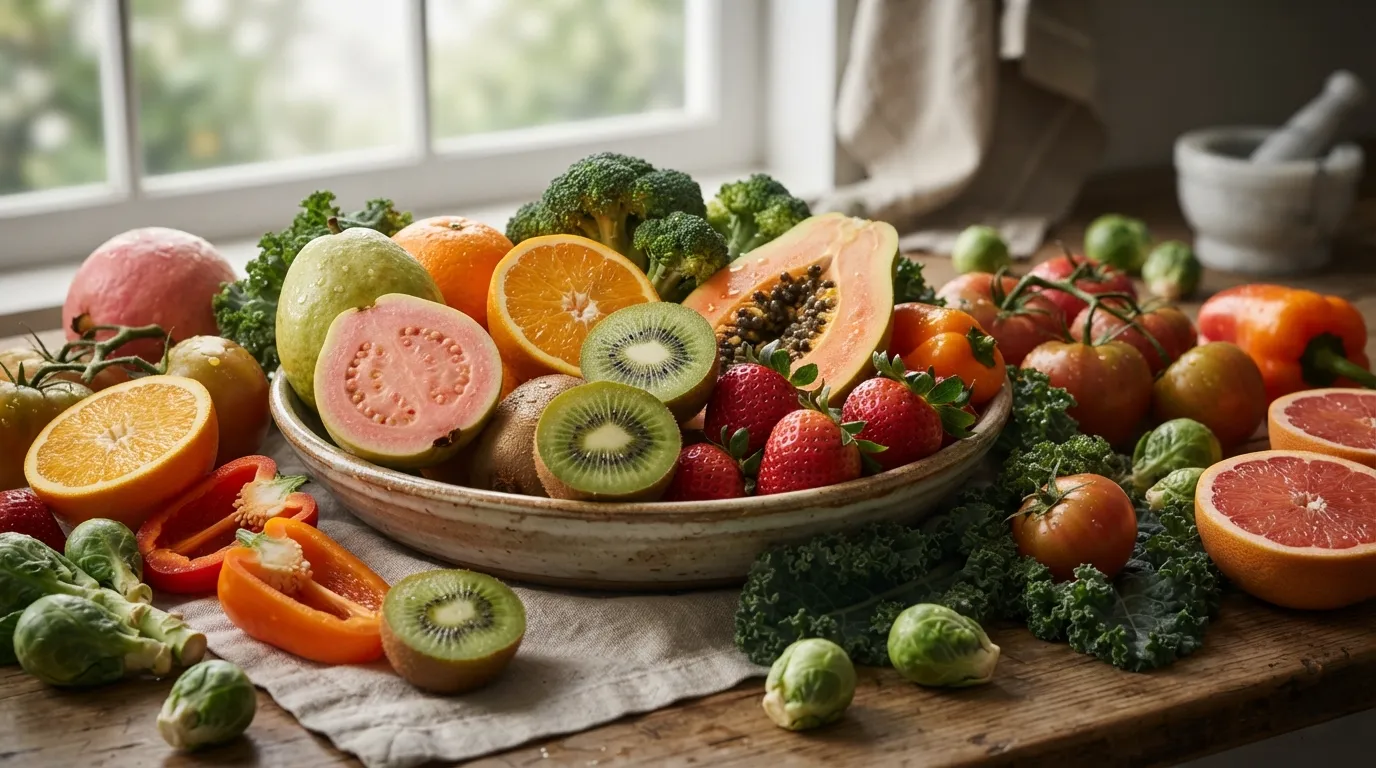
Although vitamin C supplements are widely available, most people can meet their daily requirements through a balanced diet. Fruits and vegetables remain the best natural sources because they provide vitamin C alongside fiber, antioxidants, vitamins, minerals, and hundreds of beneficial plant compounds that work together to support overall health.
Rather than relying on a single "superfood," aim to eat a wide variety of colorful produce throughout the week. Dietary diversity helps ensure you're getting not only enough vitamin C but also a broad spectrum of nutrients that contribute to long-term wellness.
Some of the richest natural sources include:
- Guava
- Acerola cherries
- Red bell peppers
- Kiwi
- Strawberries
- Oranges
- Broccoli
- Brussels sprouts
- Papaya
- Tomatoes
- Kale
- Cauliflower
Many of these foods can easily be incorporated into everyday meals, whether eaten fresh, lightly cooked, or blended into smoothies.
Why Food Comes First
Whole foods provide nutritional benefits that supplements cannot fully replicate. Along with vitamin C, they naturally contain:
- Dietary fiber
- Potassium
- Folate
- Carotenoids
- Flavonoids
- Polyphenols
- Other phytonutrients
These compounds work together in ways that isolated nutrients often cannot, making food the preferred source of vitamin C for most healthy adults.
Learn More
If you'd like practical meal ideas, cooking tips, and a detailed list of the highest vitamin C foods, read our complete guide:
➡ Vitamin C-Rich Foods: Best Sources, Benefits & Daily Intake
Vitamin C Deficiency
Vitamin C deficiency develops when the body does not receive enough vitamin C over an extended period. Because humans cannot produce this vitamin themselves, consistent dietary intake is essential.
Fortunately, severe deficiency is relatively uncommon in developed countries. However, mild insufficiency may occur in people whose diets contain very few fruits and vegetables or who have medical conditions that interfere with nutrient absorption.
Early symptoms can be subtle and may include:
- Persistent fatigue
- Increased tiredness
- Dry or rough skin
- Slower wound healing
- Frequent bruising
- Bleeding gums
If deficiency becomes severe and remains untreated for a prolonged period, it can eventually lead to scurvy, a condition characterized by impaired collagen production and weakened connective tissues.
The encouraging news is that vitamin C deficiency is largely preventable. Eating a varied diet rich in fruits and vegetables is usually sufficient to maintain healthy vitamin C levels.
Learn More
Our detailed guide explains the causes, symptoms, diagnosis, treatment, and prevention of deficiency:
➡ Vitamin C Deficiency: Early Warning Signs, Symptoms & Expert Guide
Vitamin C Supplements
While food should remain the primary source of vitamin C, supplements may be appropriate in certain situations. Individuals who may benefit from supplementation include:
- People with medically confirmed vitamin C deficiency
- Individuals with malabsorption disorders
- Those whose diets consistently lack fruits and vegetables
- Certain older adults with limited dietary intake
- People whose healthcare provider recommends supplementation
Vitamin C supplements are available in many forms, including:
- Tablets
- Capsules
- Powders
- Chewable tablets
- Effervescent tablets
- Gummies
Several chemical forms are also available, such as:
- Ascorbic acid
- Sodium ascorbate
- Calcium ascorbate
- Buffered vitamin C
For most healthy adults, there is no strong evidence that one form consistently outperforms another when taken at equivalent doses. The best choice depends on individual preferences, tolerance, medical history, and guidance from a healthcare professional.
Learn More: For a detailed comparison of supplement types, dosage considerations, and how to choose a quality product, see:
➡ Best Vitamin C Supplement: Types, Benefits & How to Choose
How Much Vitamin C Do You Need Each Day?
Daily vitamin C requirements vary according to age, sex, pregnancy status, and certain lifestyle factors. The Recommended Dietary Allowance (RDA) for healthy adults is:
Group | Recommended Intake |
Adult Men | 90 mg/day |
Adult Women | 75 mg/day |
Pregnant Women | 85 mg/day |
Breastfeeding Women | 120 mg/day |
Smokers | Approximately 35 mg/day more than non-smokers |
These recommendations are designed to support normal physiological functions and help prevent deficiency in healthy individuals. Most adults can easily achieve these levels through a balanced diet that includes several servings of fruits and vegetables each day.
Food vs. Supplements: Which Is Better?
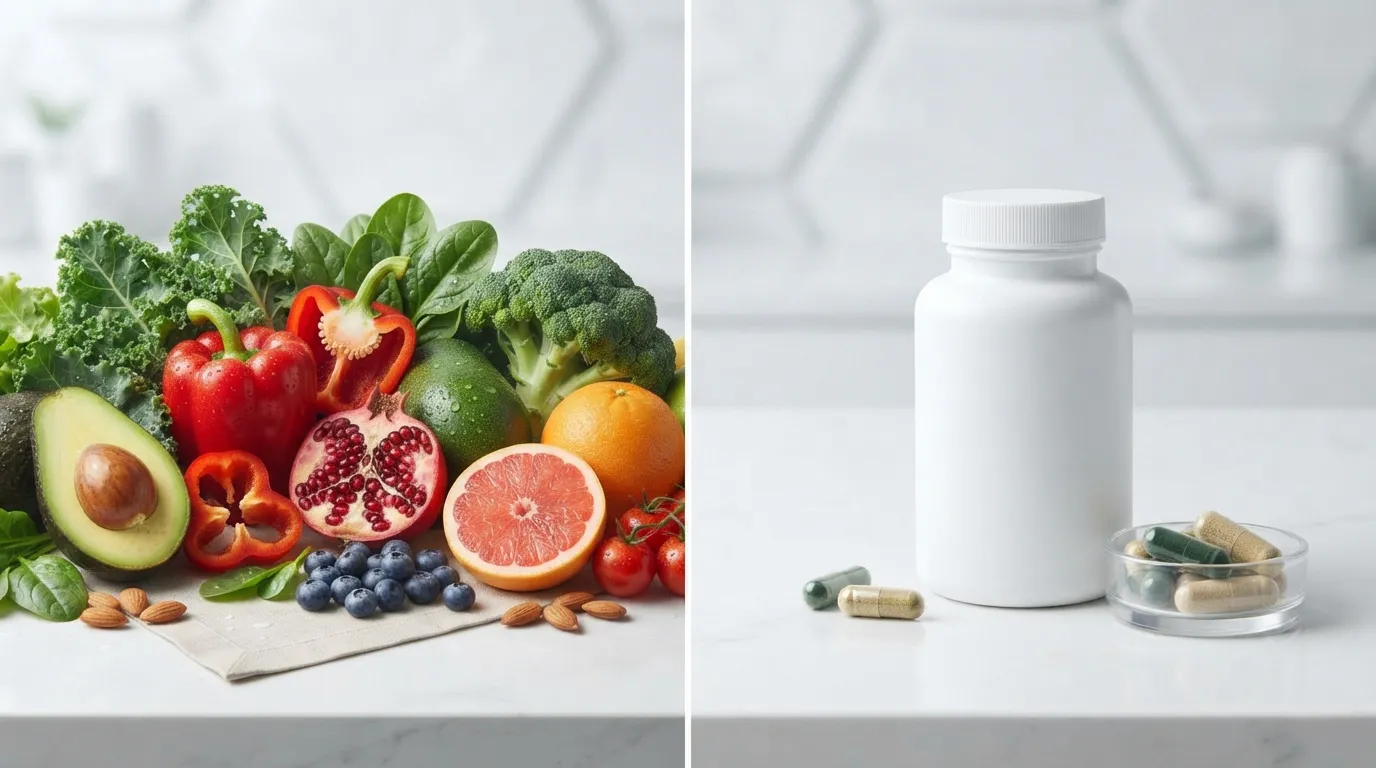
This is one of the most frequently asked questions about vitamin C. For the majority of healthy people, food is the preferred source. Whole foods deliver vitamin C within a nutrient-rich package that also includes fiber and numerous beneficial plant compounds.
Supplements, on the other hand, provide isolated vitamin C and are generally intended to complement—not replace—a healthy eating pattern. The comparison below summarizes the differences.
Whole Foods | Supplements |
Provide fiber | No dietary fiber |
Contain antioxidants and phytonutrients | Usually contain isolated vitamin C |
Support overall dietary quality | Useful when dietary intake is insufficient |
Lower risk of excessive intake | May contribute to unnecessary high doses if misused |
Suitable for daily nutrition | Best used when medically appropriate |
Unless your healthcare provider recommends supplementation, prioritizing a diet rich in fruits and vegetables is generally the best long-term strategy.
Practical Ways to Increase Your Vitamin C Intake
Improving your vitamin C intake doesn't require a major dietary overhaul. Small, consistent changes can make a meaningful difference over time.
Simple habits include:
- Add berries or kiwi to breakfast.
- Include bell peppers in salads and sandwiches.
- Choose fresh fruit instead of sugary desserts.
- Snack on oranges, strawberries, or guava.
- Add broccoli or Brussels sprouts to evening meals.
- Blend fruit into homemade smoothies.
- Keep frozen vegetables on hand for convenient meals.
- Pair iron-rich foods with vitamin C-rich produce to improve iron absorption.
These practical habits can help you consistently meet your daily vitamin C needs while supporting an overall nutritious eating pattern.
Can You Get Too Much Vitamin C?
Vitamin C is water-soluble, meaning excess amounts are generally excreted in urine rather than stored in large quantities. However, consuming very high doses—particularly from supplements—may increase the likelihood of side effects in some individuals. Possible side effects of excessive supplemental intake include:
- Stomach discomfort
- Nausea
- Diarrhea
- Abdominal cramps
Individuals with certain medical conditions, including some forms of kidney disease or a history of kidney stones, should seek medical advice before taking high-dose vitamin C supplements. Obtaining vitamin C through food alone is unlikely to result in excessive intake for healthy adults.
A dedicated guide on Can You Overdose on Vitamin C? will explore upper intake limits, safety considerations, and common misconceptions in greater detail.
Vitamin C Throughout Different Life Stages
Vitamin C requirements remain important throughout life, but nutritional priorities can vary depending on age and health status.
Children and Adolescents: Adequate vitamin C supports normal growth, connective tissue development, and immune function. A varied diet rich in fruits and vegetables is usually sufficient.
Adults: Maintaining consistent vitamin C intake helps support skin, connective tissues, antioxidant defenses, and overall health.
Older Adults: Some older adults may benefit from paying closer attention to vitamin C intake due to changes in appetite, dietary habits, or chronic health conditions. Easy-to-prepare fruits and vegetables can help maintain adequate intake.
Pregnancy and Breastfeeding: Vitamin C needs increase during pregnancy and breastfeeding. Most individuals can meet these increased requirements through a balanced diet, although healthcare providers may recommend supplements in specific circumstances.
Building a Healthy Diet Around Vitamin C
Vitamin C should be viewed as one component of a healthy dietary pattern rather than a standalone solution. A nutritious eating plan combines vitamin C-rich fruits and vegetables with:
- Lean protein sources
- Whole grains
- Healthy fats
- Legumes
- Nuts and seeds
- Dairy or fortified alternatives
When combined with regular physical activity, adequate sleep, hydration, stress management, and routine preventive healthcare, these habits create a strong foundation for long-term health. This holistic approach reflects current nutrition guidance from leading public health organizations and helps ensure vitamin C works alongside other essential nutrients—not in isolation.
Is Vitamin C Safe?
For most healthy people, vitamin C is considered safe when obtained through a balanced diet rich in fruits and vegetables. Because it is a water-soluble vitamin, the body does not store large amounts for long periods. Excess vitamin C is generally eliminated through urine, helping maintain appropriate levels.
Problems related to vitamin C are uncommon when intake comes primarily from food. However, like many nutrients, more is not always better. Taking large amounts of vitamin C supplements without medical advice does not necessarily provide additional health benefits and may increase the likelihood of unwanted side effects.
The goal should be adequate intake, not excessive intake.
Possible Side Effects of Too Much Vitamin C
Vitamin C from food rarely causes adverse effects. High-dose supplements, however, may lead to digestive symptoms in some people, particularly when taken in large amounts over time. Possible side effects include:
- Nausea
- Diarrhea
- Abdominal cramps
- Bloating
- Stomach discomfort
These symptoms often improve after reducing the supplement dose. Some individuals, particularly those with a history of certain kidney disorders or kidney stones, should speak with their healthcare provider before taking high-dose vitamin C supplements.
Current evidence does not support routinely taking megadoses of vitamin C for healthy individuals unless recommended by a qualified healthcare professional.
Related Guide: Can You Overdose on Vitamin C? (Coming Soon)
Vitamin C and Medication Interactions
Vitamin C is generally well tolerated, but supplements may interact with certain medications or influence some medical conditions. Examples include:
- Certain chemotherapy treatments (interaction depends on the specific medication and treatment plan)
- Some laboratory tests
- Iron supplements, where vitamin C may increase iron absorption
- Individuals with hereditary iron overload disorders (such as hemochromatosis) may require medical supervision before taking vitamin C supplements
These interactions do not mean vitamin C is unsafe. Instead, they highlight the importance of discussing supplements with a healthcare professional if you:
- Take prescription medications
- Have chronic kidney disease
- Have an inherited iron storage disorder
- Are receiving cancer treatment
- Have another significant medical condition
Obtaining vitamin C from food remains appropriate for most healthy individuals.
Vitamin C During Pregnancy and Breastfeeding
Vitamin C plays an important role during pregnancy because it contributes to normal collagen formation, supports maternal tissues, and helps maintain overall nutritional health. Pregnant and breastfeeding women have slightly higher vitamin C requirements than other adults.
Current Recommended Dietary Allowances (RDA):
| Life Stage | Recommended Intake |
| Adult Women | 75 mg/day |
| Pregnant Women | 85 mg/day |
| Breastfeeding Women | 120 mg/day |
In most cases, these increased needs can be met through a balanced diet that includes plenty of fruits and vegetables. Routine high-dose supplementation during pregnancy should not be started without guidance from a healthcare provider.
Related Guide: Vitamin C During Pregnancy (Coming Soon)
Vitamin C for Different Skin Concerns

Vitamin C is frequently included in discussions about skincare because of its role in collagen production and antioxidant protection. However, its benefits can vary depending on the skin concern being addressed.
Hyperpigmentation
Topical vitamin C is commonly used in skincare routines aimed at improving the appearance of uneven skin tone and post-inflammatory discoloration. It is often combined with ingredients such as niacinamide, azelaic acid, or sunscreen as part of a broader skincare routine.
Learn more in our upcoming guide:
➡ Vitamin C for Hyperpigmentation
Aging Skin
As collagen production naturally declines with age, maintaining adequate vitamin C intake supports normal collagen synthesis. Topical vitamin C may also help protect skin from environmental oxidative stress when used consistently alongside daily sun protection.
Acne-Prone Skin
Dietary vitamin C supports overall skin health but should not be viewed as a standalone treatment for acne. Effective acne management often requires a combination of evidence-based skincare ingredients, appropriate cleansing, sun protection, and, when necessary, medical treatment.
Future guides will explore:
- Vitamin C for Acne
- Vitamin C Serum for Oily Skin
- Vitamin C vs. Niacinamide
Sensitive Skin
People with sensitive skin may benefit from introducing topical vitamin C gradually, as some formulations can cause temporary irritation. Dietary vitamin C, however, is generally well tolerated when consumed through food.
Vitamin C and Skincare Products
Many readers arrive at this page looking for information about topical vitamin C products. Although this pillar focuses primarily on vitamin C as an essential nutrient, topical vitamin C has become one of the most widely studied skincare ingredients. Common product types include:
- Vitamin C serums
- Moisturizers with vitamin C
- Eye creams
- Face masks
- Brightening creams
When choosing a topical product, factors such as formulation, concentration, packaging, and ingredient stability all influence effectiveness. Rather than covering those details here, we've created dedicated resources that explore them in depth.
Related Guides (Coming Soon):
- Best Vitamin C Serum
- How to Use Vitamin C Serum
- Vitamin C vs. Niacinamide
- Vitamin C and Retinol
- Vitamin C for Dark Spots
This approach keeps this cornerstone guide focused while allowing each specialized article to answer specific user questions comprehensively.
Frequently Asked Questions
What happens if you don't get enough vitamin C?
Insufficient vitamin C intake over time may lead to deficiency. Early signs can include fatigue, slower wound healing, easy bruising, and bleeding gums. Severe, prolonged deficiency may result in scurvy.
Read More: Vitamin C Deficiency: Early Warning Signs, Symptoms & Expert Guide
Can you take vitamin C every day?
Yes. Vitamin C is an essential nutrient that should be consumed regularly because the body cannot produce or store large amounts of it. For most healthy adults, meeting daily requirements through a balanced diet is recommended.
Can vitamin C be taken with iron?
Yes. Vitamin C enhances the absorption of non-heme iron from plant-based foods and is commonly paired with iron-rich meals.
Can you use vitamin C with niacinamide?
Yes. Earlier concerns that these ingredients should not be combined were based on outdated information. Modern formulations generally allow vitamin C and niacinamide to be used together, although the ideal routine depends on individual skin needs.
Related Guide: Vitamin C vs. Niacinamide (Coming Soon).
What is the best time to take vitamin C?
There is no universally "best" time. Vitamin C can generally be consumed whenever it best fits your routine. Many people prefer taking supplements with food to minimize the chance of stomach discomfort.
Related Guide: Best Time to Take Vitamin C (Coming Soon).
Is it better to get vitamin C from food or supplements?
For most people, food is the preferred source. Fruits and vegetables provide vitamin C along with fiber, antioxidants, and numerous beneficial nutrients that supplements cannot fully replicate. Supplements may be appropriate when recommended by a healthcare professional.
Can you use vitamin C with retinol?
Yes. Many skincare routines incorporate both ingredients, but how they are combined depends on the specific formulations and individual skin tolerance.
Related Guide: Can You Use Vitamin C and Retinol Together? (Coming Soon).
Does cooking destroy vitamin C?
Cooking can reduce vitamin C content because the vitamin is sensitive to heat and water. Light steaming or shorter cooking times generally preserve more vitamin C than prolonged boiling.
For practical cooking tips and a list of the richest dietary sources, see Vitamin C-Rich Foods: Best Sources, Benefits & Daily Intake.
Key Takeaways
- Vitamin C is an essential water-soluble vitamin that must be obtained regularly through diet.
- It supports collagen production, immune function, antioxidant protection, wound healing, and iron absorption.
- Fruits and vegetables remain the best natural sources of vitamin C.
- Most healthy adults can meet their daily requirements through a balanced diet without supplements.
- Vitamin C supplements can be beneficial in certain situations but should complement—not replace—a nutritious eating pattern.
- Excessive supplemental intake may cause digestive side effects in some individuals.
- This pillar page serves as the central resource for understanding vitamin C, with dedicated supporting articles providing deeper coverage of specific topics.
Conclusion

Vitamin C is much more than a nutrient associated with oranges or seasonal wellness. It is an essential vitamin involved in collagen production, immune function, antioxidant defense, wound healing, and iron absorption—processes that support nearly every stage of life.
The good news is that meeting your daily vitamin C needs is achievable for most people through a balanced diet rich in fruits and vegetables. Foods such as guava, kiwi, strawberries, citrus fruits, red bell peppers, broccoli, and Brussels sprouts provide not only vitamin C but also fiber, antioxidants, and a wide range of beneficial plant compounds that contribute to long-term health.
While vitamin C supplements may be appropriate for some individuals, they should complement—not replace—a nutritious eating pattern. Choosing whole foods, maintaining a varied diet, and following evidence-based nutrition practices remain the most sustainable approach to supporting overall health.
This pillar page is designed to be your complete starting point for understanding vitamin C. As you explore the related guides linked throughout this page, you'll gain deeper insights into specific topics such as vitamin C-rich foods, supplements, deficiency, skincare, collagen, and dosage—helping you make informed decisions based on current scientific evidence rather than common myths.
Scientific References
Government & Health Organizations
- National Institutes of Health Office of Dietary Supplements. Vitamin C Fact Sheet for Health Professionals.
- United States Department of Agriculture Vitamin C Total Acorbic Acid.
- World Health Organization. Healthy Diet Guidelines.
- Academy of Nutrition and Dietetics.
- S. Dietary Guidelines Advisory Committee.
Peer-Reviewed Research
- Carr AC, Maggini S. Vitamin C and Immune Function.
- Pullar JM, Carr AC, Vissers MCM. The Roles of Vitamin C in Skin Health.
- Levine M, Rumsey SC, Wang Y, et al. Vitamin C Physiology.
- Slavin JL, Lloyd B. Health Benefits of Fruits and Vegetables.
- Lykkesfeldt J, Poulsen HE. Vitamin C in Human Health.
Written by: Dr. Aamir Raza
Medical Review: Scientific & Medical Review Team
This article has been written using peer-reviewed scientific literature, evidence-based nutrition guidelines, and recommendations from internationally recognized health organizations.
Medical Disclaimer: This content is intended for educational purposes only and should not be considered medical advice. Always consult a qualified healthcare professional before making significant dietary changes or starting nutritional supplements.