
Quick Answer
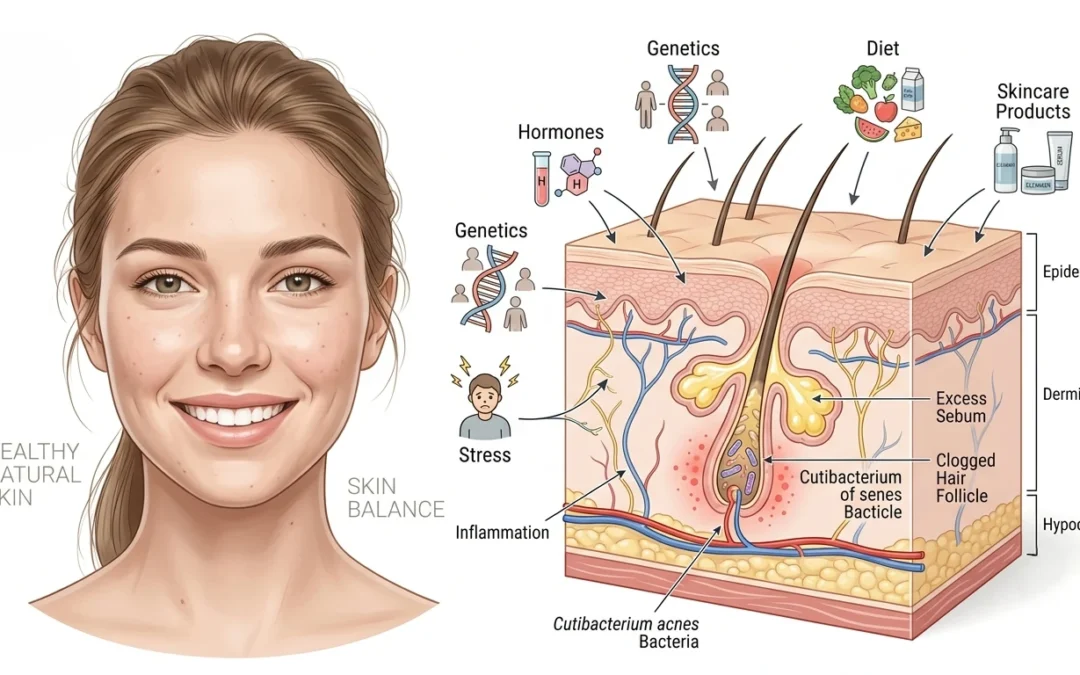
Acne develops when hair follicles become clogged with excess sebum (oil) and dead skin cells. Inside these blocked pores, naturally occurring bacteria can multiply, triggering inflammation that leads to whiteheads, blackheads, papules, pustules, nodules, or cysts.
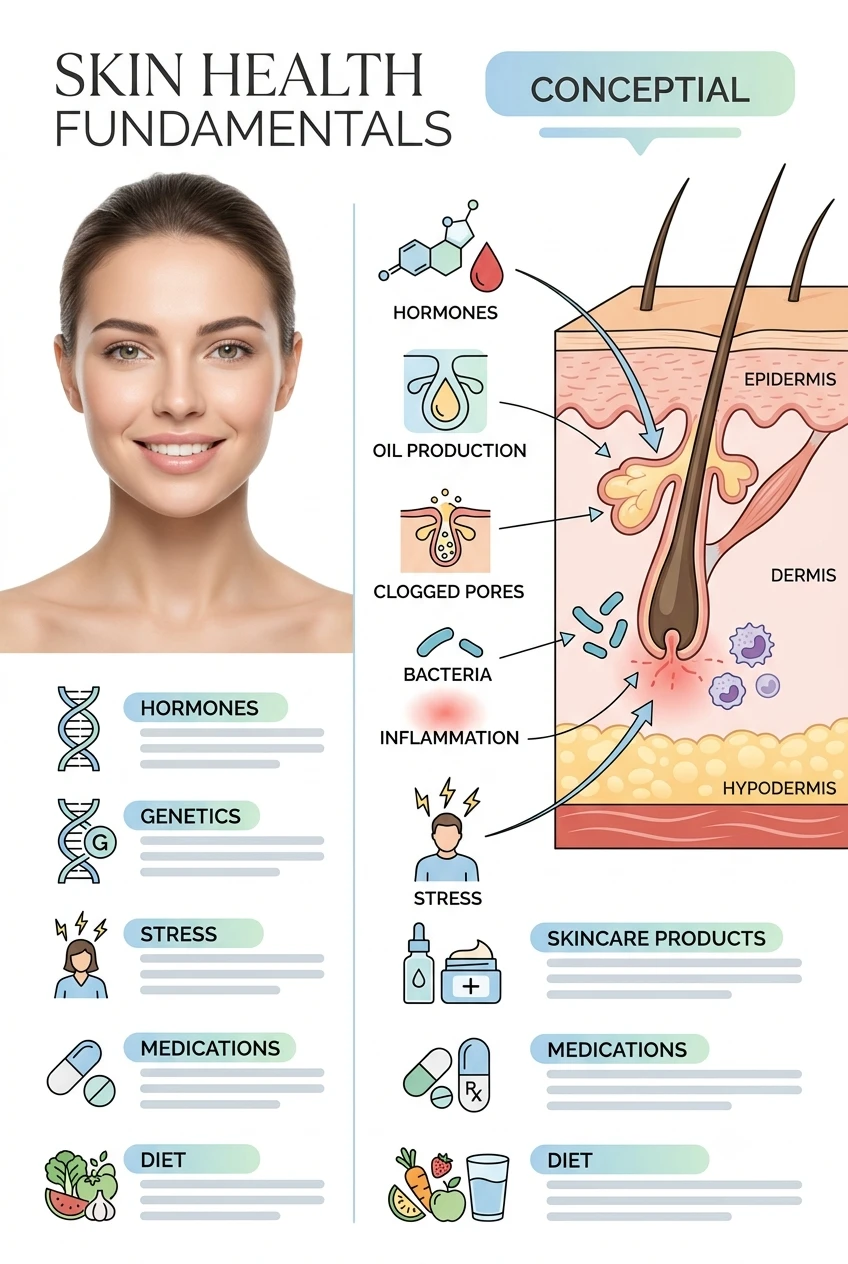
Several factors can increase the likelihood of acne, including hormonal changes, genetics, excess oil production, certain medications, stress, skincare products, friction on the skin, and—in some individuals—dietary factors. Most people experience acne because several of these triggers occur together rather than from a single cause.
Table of Contents
Acne Common Triggers
What causes Acne? is one of the most common skin conditions worldwide, affecting teenagers and adults alike. While many people associate acne with adolescence, breakouts can occur at almost any age and often result from a combination of biological, hormonal, genetic, and environmental factors rather than a single cause.
Understanding what actually causes acne is the first step toward choosing effective treatments and avoiding common misconceptions. Contrary to popular belief, acne is not simply the result of poor hygiene or eating one unhealthy meal. Instead, it develops through a complex interaction between your skin's oil production, clogged pores, bacteria, inflammation, and individual risk factors.
In this guide, we'll explain how acne forms, examine the most common triggers supported by scientific evidence, and clarify which factors are often misunderstood.
Understanding How Acne Develops?
Many people think acne begins on the skin's surface, but the process actually starts much deeper inside the hair follicle.
Each hair follicle contains a sebaceous gland that produces an oily substance called sebum. Sebum helps moisturize and protect the skin by reducing water loss and supporting the skin barrier. Under normal circumstances, sebum travels through the follicle and reaches the skin's surface without causing problems. Acne develops when this natural process becomes disrupted.
Instead of moving freely, excess sebum mixes with dead skin cells inside the follicle. Over time, this mixture creates a blockage known as a comedone. If the blockage remains open, it appears as a blackhead. If it remains closed beneath the skin, it forms a whitehead.
Once the follicle is blocked, conditions become favorable for naturally occurring skin bacteria to multiply. The immune system responds by triggering inflammation, leading to the redness, swelling, tenderness, and pus commonly associated with inflammatory acne. This process explains why acne is not simply an infection or a hygiene problem. It is a disorder involving multiple biological processes occurring simultaneously.
The Four Main Factors Behind Acne
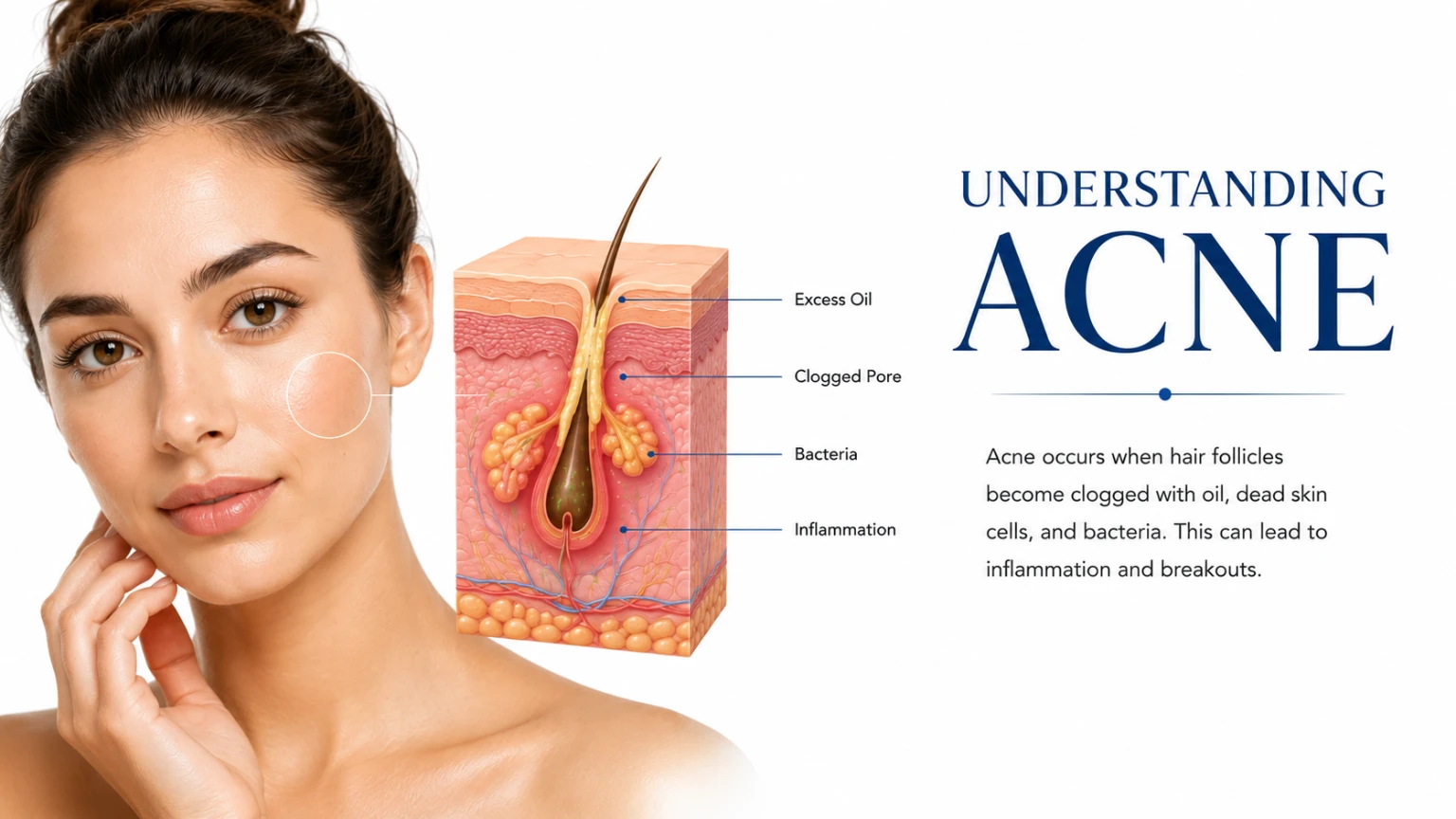
Dermatologists generally recognize four primary mechanisms involved in acne development.
| Factor | Role in Acne Development |
| Excess sebum production | Produces more oil than the follicle can handle |
| Dead skin cell buildup | Blocks pores and traps oil |
| Growth of Cutibacterium acnes | Contributes to inflammation within blocked follicles |
| Inflammation | Causes redness, swelling, pain, and acne lesions |
These four mechanisms interact continuously. One factor alone rarely causes persistent acne. For example, oily skin without clogged pores may never develop significant acne. Likewise, bacteria are naturally present on healthy skin, but they become problematic only when trapped inside blocked follicles.
Understanding these mechanisms also explains why different acne treatments target different stages of the disease process. Some ingredients reduce oil production, others help remove dead skin cells, while some decrease inflammation or bacterial overgrowth.
Excess Sebum Production
Sebum is essential for healthy skin, but producing too much of it can increase the risk of clogged pores.
Sebaceous glands become particularly active under the influence of hormones known as androgens, especially during puberty. These hormones stimulate the glands to enlarge and produce more oil.
However, puberty is not the only time hormone levels fluctuate. Adults may also experience increased sebum production due to menstrual cycles, pregnancy, menopause, or certain medical conditions.
People naturally differ in how much sebum their skin produces. Genetics plays a significant role, which is one reason acne often runs in families.
It's important to remember that oily skin alone does not automatically cause acne. Many people with oily skin never develop severe breakouts because other contributing factors remain under control.
Clogged Hair Follicles
Healthy skin constantly sheds old skin cells as new cells replace them. Normally, these cells are shed invisibly.
In acne-prone skin, however, dead skin cells may stick together instead of separating normally. Combined with excess oil, these cells accumulate inside the follicle and gradually form a blockage.
This process, known as follicular hyperkeratinization, is considered one of the earliest events in acne formation.
Initially, these blockages are microscopic and cannot be seen. As they enlarge, they become visible blackheads or whiteheads.
Preventing this buildup is one reason dermatologists often recommend ingredients that encourage normal skin cell turnover, such as salicylic acid or topical retinoids, when appropriate.
Skin Bacteria and Acne
The skin naturally contains many microorganisms, including Cutibacterium acnes (formerly called Propionibacterium acnes). Having these bacteria on your skin is completely normal and does not mean your skin is dirty.
Problems arise when blocked follicles create an oxygen-poor environment where these bacteria can multiply more easily. As bacterial activity increases, substances released within the follicle stimulate the immune system.
This immune response contributes to inflammation, leading to swollen red pimples and painful acne lesions.
Because bacteria represent only one part of acne development, washing your face repeatedly or using harsh antibacterial products is unlikely to eliminate acne and may even damage the skin barrier.
Inflammation: The Hidden Driver
Inflammation is responsible for many of acne's most noticeable symptoms.
When the immune system detects changes within a blocked follicle, inflammatory cells release signaling molecules that increase redness, swelling, heat, tenderness, and sometimes pus formation.
Research suggests that inflammation may begin even before visible pimples appear, making it an early driver rather than merely a consequence of acne.
This explains why many modern acne treatments focus not only on reducing oil or unclogging pores but also on calming inflammation.
Reducing inflammation may help decrease discomfort, limit the severity of breakouts, and potentially reduce the risk of long-term acne scars.
Why Acne Rarely Has Just One Cause
One of the biggest misconceptions about acne is the idea that a single trigger is responsible for every breakout.
In reality, acne usually develops because several biological and environmental factors overlap. For example, someone with a genetic tendency toward oily skin may also experience hormonal fluctuations during adulthood. If stress increases at the same time, inflammatory responses may become more pronounced, creating conditions that favor new breakouts.
This multifactorial nature explains why treatments that work well for one person may not be equally effective for another. Identifying your individual triggers often requires patience, consistent skincare, and sometimes guidance from a healthcare professional.
Rather than searching for one universal cause, it is more helpful to understand acne as the result of several interacting processes that can vary from person to person.
What Causes Acne? Detailed Explanation
Although acne develops through the interaction of excess oil, clogged pores, bacteria, and inflammation, several internal and external factors can make these processes more likely. Understanding these triggers can help you recognize patterns in your own skin and make informed decisions about prevention and treatment.
Hormonal Changes
Hormones are among the strongest and most well-established contributors to acne.
Hormones called androgens stimulate sebaceous glands to produce more sebum. When oil production increases, pores become more susceptible to blockage. Hormonal fluctuations commonly occur during:
- Puberty
- Menstrual cycles
- Pregnancy
- Perimenopause and menopause
- Polycystic ovary syndrome (PCOS)
- Starting or stopping hormonal contraception
Hormonal acne often appears on the:
- Chin
- Jawline
- Lower cheeks
- Neck
These breakouts may recur around the same time each month and often persist into adulthood, particularly in women.
Genetics
If one or both of your parents experienced acne, your chances of developing acne are generally higher. Genetics can influence:
- Sebum production
- Skin cell turnover
- Hormonal sensitivity
- Inflammatory responses
- Likelihood of acne scarring
While genetics cannot be changed, understanding your inherited risk can help you adopt preventive skincare habits earlier.
Stress and Acne
Stress does not directly create acne, but it can make existing acne worse. During periods of chronic stress, the body produces hormones such as cortisol that may increase inflammation and influence oil production.
Stress can also contribute indirectly by causing people to:
- Touch or pick at their skin more frequently
- Sleep poorly
- Skip skincare routines
- Eat differently
- Delay treatment
Several studies suggest that students and professionals often experience worsening acne during examination periods or highly stressful life events. Managing stress may not eliminate acne entirely, but it can reduce one factor contributing to flare-ups.
Diet and Acne
For many years, experts believed diet had little effect on acne. More recent research suggests the relationship is more nuanced.
Current evidence indicates that some people may experience worsening acne with diets that consistently include:
- High-glycemic foods
- Sugary beverages
- Refined carbohydrates
- Excessive intake of skim milk in susceptible individuals
High-glycemic foods may increase insulin and insulin-like growth factor-1 (IGF-1), hormones that can stimulate oil production and skin cell growth.
Examples include:
- White bread
- Sugary breakfast cereals
- Soft drinks
- Candy
- Cakes
- Highly processed snacks
However, diet affects individuals differently.
Many people can consume these foods without noticeable changes in their skin, while others may find reducing them improves acne control.
There is currently limited evidence that chocolate itself directly causes acne, although certain chocolate products high in sugar may contribute indirectly.
Cosmetic and Skincare Products Triggers Acne
Not every skincare product is suitable for acne-prone skin. Heavy, oily, or pore-clogging formulations may increase the likelihood of blocked follicles, particularly when used consistently.
When choosing skincare products, look for labels such as:
- Non-comedogenic
- Oil-free
- Won't clog pores
It's also important to avoid excessive cleansing. Washing the face too frequently or using harsh scrubs can damage the skin barrier, leading to irritation that may worsen acne. A gentle cleanser used twice daily is sufficient for most people.
Certain Medications
Some medications may trigger acne-like eruptions or worsen existing acne. Examples include:
- Corticosteroids
- Testosterone therapy
- Anabolic steroids
- Lithium
- Certain anti-seizure medications
Do not stop prescribed medication without consulting your healthcare provider. If you suspect a medication is affecting your skin, discuss possible alternatives with the prescribing clinician.
Friction and Pressure on the Skin
Repeated friction can irritate hair follicles and contribute to acne in susceptible individuals. Common examples include:
- Tight sports helmets
- Face masks worn for prolonged periods
- Chin straps
- Shoulder pads
- Backpack straps
- Tight collars
This type of acne is sometimes called acne mechanica. Reducing friction, cleaning equipment regularly, and showering after exercise may help minimize breakouts.
Sweat and Humidity
Sweat itself does not cause acne.
However, sweat combined with friction, trapped oil, bacteria, and occlusive clothing may create conditions that encourage breakouts. After exercising:
- Shower promptly when possible.
- Change out of sweaty clothing.
- Cleanse the skin gently.
- Avoid remaining in damp workout clothes for extended periods.
Environmental Factors Triggers Acne
Some environmental exposures may aggravate acne. Examples include:
- High humidity
- Occupational exposure to oils
- Heavy cosmetic use
- Air pollution
- Occlusive protective equipment
These factors are usually secondary contributors rather than primary causes.
Smoking
Research examining smoking and acne has produced mixed results.
Some studies suggest smoking may contribute to certain forms of adult acne, while others find little or no consistent association.
Overall, smoking is not considered one of the primary causes of acne, but avoiding tobacco provides significant health benefits regardless of its effect on the skin.
Common Acne Causing Myths
Many misconceptions continue to circulate online.
Myth | Evidence-Based Reality |
Acne is caused by dirty skin | Acne develops inside hair follicles and is not caused by poor hygiene. |
Washing more often cures acne | Excessive washing may irritate the skin and worsen symptoms. |
Chocolate always causes acne | Current evidence does not support chocolate as a universal acne trigger. |
Sun exposure clears acne permanently | Sun exposure may temporarily dry the skin but can increase long-term skin damage. |
Only teenagers get acne | Adult acne is common, especially among women. |
Toothpaste should be applied to pimples | Toothpaste can irritate the skin and is not recommended as an acne treatment. |
Can You Prevent Acne?
Not every case of acne can be prevented, particularly when genetics and hormones play major roles. However, consistent skincare and healthy habits may reduce the frequency or severity of breakouts. Helpful habits include:
- Cleanse your face twice daily with a gentle cleanser.
- Avoid picking or squeezing pimples.
- Choose non-comedogenic skincare and makeup.
- Remove makeup before sleeping.
- Protect your skin with a suitable sunscreen.
- Manage stress through regular exercise, adequate sleep, or relaxation techniques.
- Follow a balanced diet that supports overall health.
- Use evidence-based acne treatments consistently rather than switching products frequently.
Remember that acne treatments often require several weeks before noticeable improvement occurs.
When Should You See a Dermatologist?
Professional evaluation is recommended if:
- Acne is painful or cystic.
- Breakouts leave scars or dark marks.
- Over-the-counter products do not improve acne after several weeks.
- Acne causes significant emotional distress.
- Breakouts suddenly become severe.
- Acne appears alongside irregular menstrual cycles or other hormonal symptoms.
Early treatment can help reduce the risk of permanent scarring and improve long-term outcomes.
Expert Insight
Acne is best understood as a chronic inflammatory skin condition rather than a simple cosmetic problem.
Most people develop acne because multiple biological mechanisms occur simultaneously—not because of one mistake in their skincare routine or diet.
Successful treatment often involves targeting several contributing factors at once, such as reducing excess oil, preventing clogged pores, controlling inflammation, and maintaining a healthy skin barrier.
Practical Decision Framework
Situation | Recommended Action |
Occasional blackheads | Gentle cleansing and salicylic acid may help. |
Regular inflammatory pimples | Consider evidence-based topical treatments and consistent skincare. |
Hormonal flare-ups | Discuss hormonal treatment options with a healthcare professional if appropriate. |
Severe nodules or cysts | Seek evaluation from a dermatologist promptly. |
Persistent acne scars | Early treatment may reduce long-term scarring risk. |
Frequently Asked Questions About Acne
Does poor hygiene cause acne?
No. Acne develops inside hair follicles due to excess oil, dead skin cells, bacteria, and inflammation—not because your skin is dirty.
Is acne contagious?
No. Acne cannot be spread from one person to another through physical contact.
Why does acne keep returning?
Recurring acne often reflects ongoing hormonal influences, genetics, persistent oil production, or inconsistent treatment rather than a single recurring trigger.
Can adults develop acne?
Yes. Adult acne is common and may persist or appear for the first time during adulthood, particularly in women.
Does oily skin always mean acne?
No. While oily skin increases the likelihood of clogged pores, many people with oily skin never develop significant acne.
Can stress alone cause acne?
Stress is unlikely to be the sole cause but may worsen existing acne by increasing inflammatory activity and influencing hormonal responses.
Conclusion
Acne is a complex skin condition influenced by biology, hormones, genetics, inflammation, and lifestyle factors. Rather than searching for one universal cause, it is more helpful to recognize that breakouts usually develop when several contributing factors occur together.
Understanding these common triggers allows you to make informed decisions about skincare, lifestyle habits, and treatment options. While some risk factors—such as genetics—cannot be changed, many others can be managed through gentle skincare, consistent evidence-based treatments, and early professional care when needed.
With patience and the right approach, most people can significantly improve acne control and reduce the likelihood of long-term scarring.
References
- American Academy of Dermatology. Acne: Causes and Treatment.
- American Acne & Rosacea Society. Acne Management Guidelines.
- Journal of the American Academy of Dermatology (JAAD). Clinical Practice Guidelines for Acne.
- Global Alliance to Improve Outcomes in Acne.
- British Association of Dermatologists. Acne Patient Information.
- National Institute of Arthritis and Musculoskeletal and Skin Diseases (NIAMS). Acne Overview.
- Zaenglein AL, et al. Guidelines of Care for the Management of Acne Vulgaris.
- Systematic reviews examining the relationship between diet, IGF-1, and acne vulgaris.