
Frizzy Hair: Causes, Best Treatments & Hairstyles for Smooth, Healthy Hair
Do you spend time styling your hair, only to watch it become frizzy within minutes of stepping outside? You're not alone. Frizzy hair is one of the most common hair concerns affecting people of all ages and hair types. Whether your hair is naturally curly, wavy, or straight, frizz can make it look dry, dull, and difficult to manage.
Many people assume humidity is the only reason hair becomes frizzy, but the reality is far more complex. Hair texture, genetics, moisture balance, heat styling, chemical treatments, and everyday hair care habits all influence how smooth—or frizzy—your hair appears.
The good news is that frizz isn't something you simply have to live with. Understanding why it happens allows you to choose the right frizzy hair treatment, improve your daily routine, and protect your hair from unnecessary damage. From simple hydration techniques to professional salon procedures such as keratin treatment for frizzy hair, there are evidence-based solutions that can dramatically improve hair texture and manageability.
This comprehensive guide explains:
- What causes frizzy hair
- Why some hair types are more prone to frizz
- The science behind hair moisture
- Common mistakes that worsen frizz
- Evidence-based treatment options
- Professional and at-home solutions
- Hairstyles that work well with frizzy hair
- Long-term habits for smoother, healthier hair
Whether you're dealing with occasional flyaways during humid weather or chronic frizz every day, this guide will help you understand your hair and make informed decisions backed by dermatology and hair science.
Is Your Frizzy Hair Trying to Tell You Something?
Frizz is often more than a cosmetic concern—it can be your hair's way of signaling that it needs better hydration, gentler care, or protection from environmental stress.
Healthy hair has a smooth outer layer known as the cuticle. When the cuticle lies flat, light reflects evenly from the hair surface, creating a shiny and smooth appearance.
When the cuticle becomes raised or damaged, moisture from the surrounding air enters the hair shaft. This causes the hair fibers to swell unevenly, creating the rough, puffy appearance commonly known as frizz.
For many people, frizz is actually a symptom of underlying issues such as:
- Hair dehydration
- Heat damage
- Chemical processing
- Mechanical damage from brushing
- Environmental humidity
- Protein imbalance
- Lack of conditioning
Instead of trying to hide frizz with styling products alone, addressing these underlying causes usually provides longer-lasting results.
Why Does Your Hair Become Frizzy Even After Washing?
Many people notice that their hair becomes frizzy shortly after washing, even when using expensive shampoos or conditioners.
This usually happens because freshly washed hair is more vulnerable to environmental conditions if it loses moisture too quickly.
Several factors may contribute:
Overwashing
Frequent shampooing—especially with harsh cleansers—can remove natural oils that protect the hair shaft.
Without these protective oils, hair becomes drier and more susceptible to frizz.
Using Water That Is Too Hot
Very hot water can lift the hair cuticle, making it more difficult for the hair to retain moisture.
Using lukewarm water instead helps preserve the hair's natural protective layer.
Rough Towel Drying
Rubbing wet hair vigorously with a towel creates friction that damages the cuticle.
Instead, gently squeeze excess water from the hair using a microfiber towel or a soft cotton T-shirt.
Skipping Conditioner
Conditioner helps smooth the cuticle and reduce friction between hair strands.
Skipping conditioner may leave hair rough, tangled, and more likely to develop frizz throughout the day.
Heat Styling Without Protection
Hair dryers, curling irons, and straighteners expose hair to high temperatures that gradually weaken the cuticle.
Without a heat protectant, repeated styling increases moisture loss and contributes to chronic frizz.
The Real Causes of Frizzy Hair (It's Not Just Humidity)
Humidity often receives the blame, but it is only one piece of the puzzle.
Understanding the true causes of frizzy hair makes it easier to choose the most effective treatment.
Dry Hair
Dry hair is one of the leading causes of frizz.
Hair naturally contains moisture, which helps maintain flexibility and shine. When moisture levels fall, the hair shaft becomes rough and porous.
Common causes of dryness include:
- Excessive shampooing
- Cold weather
- Sun exposure
- Chlorinated water
- Heat styling
- Aging
Restoring moisture is often one of the most effective ways to reduce frizz.
Hair Damage
The protective cuticle can become damaged by repeated chemical or physical stress.
Damage may result from:
- Hair coloring
- Bleaching
- Chemical straightening
- Frequent heat styling
- Tight hairstyles
- Rough brushing
As damage increases, hair becomes more porous and absorbs moisture unevenly, creating persistent frizz.
Humidity
Humidity affects everyone differently.
Hair naturally absorbs moisture from the surrounding environment. Individuals with highly porous hair absorb more moisture, causing the hair shaft to expand and lose its smooth shape.
This is why frizz often becomes more noticeable during rainy or humid weather.
Genetics
Your genes influence:
- Hair texture
- Curl pattern
- Hair diameter
- Oil production
People with curly or wavy hair are naturally more prone to frizz because bends in the hair strand make it harder for natural oils to travel from the scalp to the ends.
Mechanical Damage
Daily habits also play an important role.
Repeated friction from:
- Rough pillowcases
- Tight ponytails
- Aggressive brushing
- Constant touching
can gradually weaken the hair cuticle and increase frizz.
Do You Have Frizzy Hair or Damaged Hair?
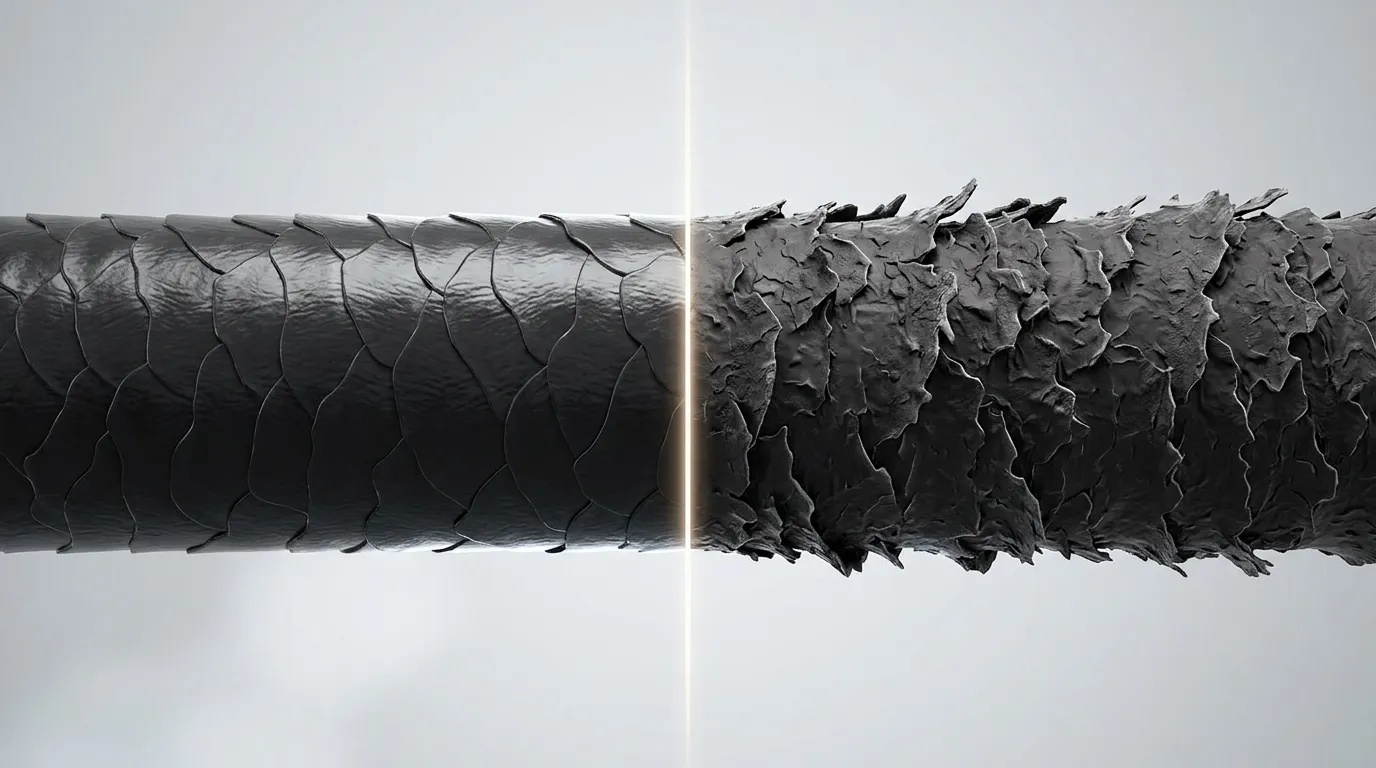
Although the two conditions often overlap, they are not always the same.
| Frizzy Hair | Damaged Hair |
| Usually caused by raised cuticles | Caused by structural damage to the hair shaft |
| Often improves with hydration | May require trimming and intensive repair |
| Can occur temporarily in humid weather | Usually persists until new healthy hair grows |
| Hair remains relatively strong | Hair becomes weak and prone to breakage |
| Responds well to moisturizing products | Often requires protein and conditioning treatments |
Understanding the difference helps you choose products that address your hair's specific needs rather than treating every case of frizz as damage.
Which Hair Types Are Most Likely to Become Frizzy?
Although anyone can experience frizz, certain hair types are naturally more susceptible.
Curly Hair
Curly hair tends to be drier because natural scalp oils have difficulty traveling along curved hair strands.
As a result, curls often require additional moisture and conditioning to remain defined and smooth.
Wavy Hair
Wavy hair often falls between straight and curly hair.
Changes in humidity, brushing techniques, or product choice can quickly alter its appearance, making it prone to puffiness and flyaways.
Straight Hair
Even naturally straight hair can become frizzy if it is dry, chemically treated, or damaged by excessive heat styling.
In these cases, improving moisture balance and reducing damage are usually more effective than simply applying styling products.
Color-Treated Hair
Bleaching and permanent hair color lift the hair cuticle to alter pigment.
While this process creates beautiful color results, it also increases hair porosity, making color-treated hair more vulnerable to dryness and frizz.
Using products designed specifically for chemically treated hair can help reduce moisture loss and improve manageability.
Signs Your Hair Needs More Moisture
Sometimes frizz is simply a sign that your hair is dehydrated.
Common indicators include:
- Hair feels rough to the touch
- Ends appear dry or split
- Hair lacks shine
- Increased tangling
- Excessive static
- Flyaways throughout the day
- Hair becomes difficult to style
- Curls lose their natural definition
Recognizing these early signs allows you to adjust your hair care routine before dryness progresses into more significant damage.
Why Treating Frizz Early Matters
Ignoring persistent frizz may lead to ongoing dryness, breakage, and reduced hair manageability over time. While frizz itself does not damage the hair, the underlying causes—such as moisture loss, heat exposure, or repeated chemical treatments—can weaken the hair shaft if left unaddressed.
Early intervention with appropriate hair care practices, moisturizing ingredients, and protective styling can help preserve the integrity of the hair cuticle and improve overall hair health.
The most effective approach is not simply masking frizz with styling products but understanding its cause and choosing treatments that restore hydration, strengthen the hair fiber, and minimize future damage.
The Best Frizzy Hair Treatment Starts with Understanding Your Hair
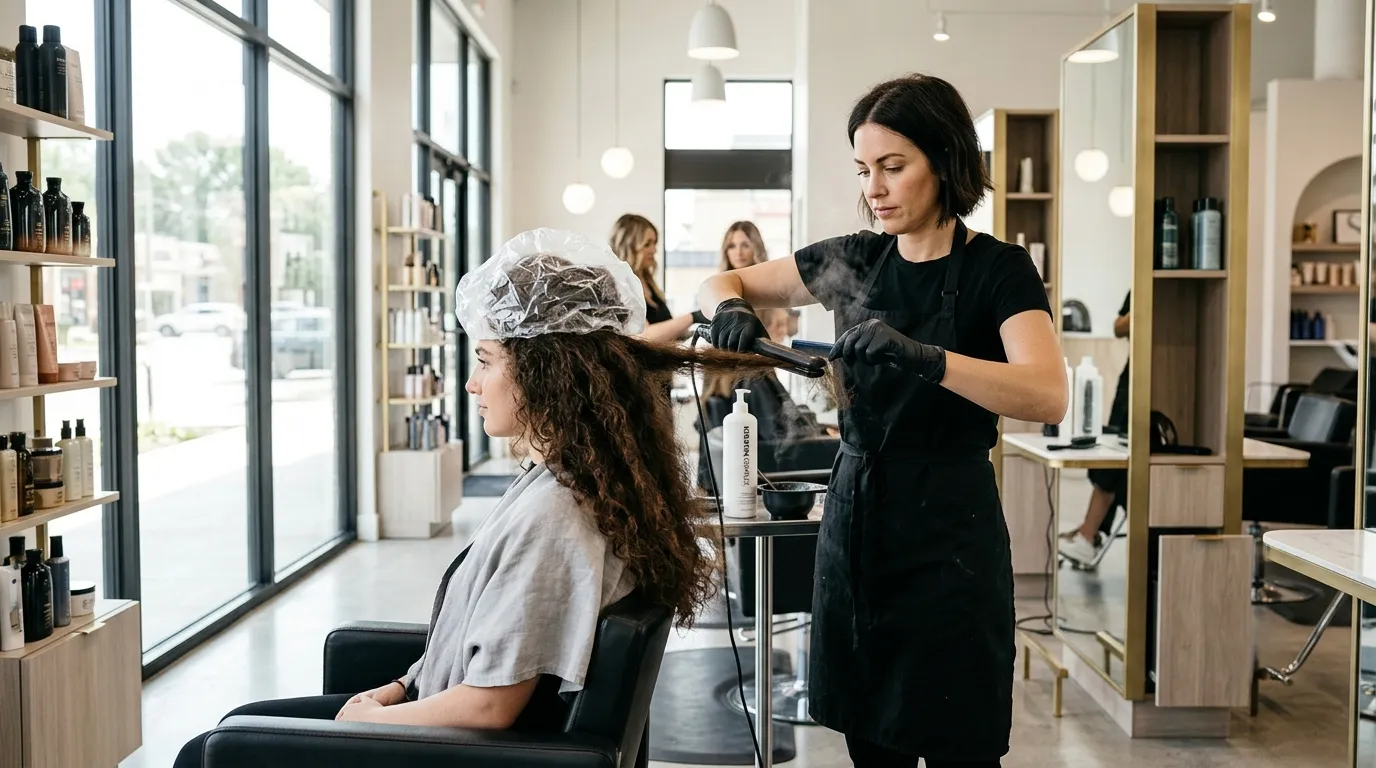
There is no single frizzy hair treatment that works for everyone because frizz has multiple causes. Hair texture, porosity, climate, chemical treatments, and daily styling habits all influence which solutions will be most effective.
The best results usually come from combining healthy hair care practices with products designed to improve moisture balance and protect the hair cuticle.
Instead of looking for a quick fix, focus on building a routine that strengthens your hair over time.
Create a Hair Care Routine That Actually Reduces Frizz
Many people spend money on expensive products but overlook the importance of a consistent routine. Small daily habits often have a greater impact on frizz than any single product.
Step 1: Choose a Gentle Shampoo
Harsh shampoos can strip away natural oils that help keep hair smooth.
Look for products that:
- Cleanse without over-drying
- Are sulfate-free if recommended for your hair type
- Contain moisturizing ingredients such as glycerin, aloe vera, ceramides, or natural plant oils
If your scalp becomes oily quickly, washing regularly with a gentle shampoo is preferable to allowing excess oil and product buildup to accumulate.
Step 2: Never Skip Conditioner
Conditioner helps smooth the outer cuticle, making hair less likely to absorb excess moisture from humid air.
Focus conditioner on:
- Mid-lengths
- Ends
- Areas prone to dryness
Allow it to remain on the hair for several minutes before rinsing.
Step 3: Add a Weekly Deep Conditioning Treatment
Deep conditioning masks provide intensive hydration and help improve elasticity.
Regular deep conditioning may help:
- Reduce breakage
- Improve softness
- Increase shine
- Enhance curl definition
- Improve overall manageability
Most hair types benefit from deep conditioning once each week, although severely dry or chemically treated hair may require more frequent treatments.
Step 4: Protect Hair from Heat
Heat styling is one of the leading causes of chronic frizz.
Whenever possible:
- Air-dry hair partially before blow-drying.
- Use the lowest effective heat setting.
- Apply a heat protectant before styling.
- Avoid repeatedly passing hot tools over the same section of hair.
Reducing heat exposure helps preserve the hair's natural moisture.
Does Keratin Treatment for Frizzy Hair Really Work?
One of the most popular professional options is keratin treatment for frizzy hair.
Keratin is a naturally occurring protein found in hair, skin, and nails. Professional keratin treatments temporarily coat and smooth the hair cuticle, making hair appear shinier and easier to manage.
Potential Benefits
Many people notice:
- Reduced frizz
- Improved smoothness
- Faster styling
- Increased shine
- Better humidity resistance
- Softer texture
Results typically last several weeks to a few months, depending on hair type, product formulation, and aftercare.
Things to Consider Before Getting a Keratin Treatment
Although many people achieve excellent cosmetic results, keratin treatments are not suitable for everyone.
Important considerations include:
- Some formulations have historically contained formaldehyde or chemicals that release formaldehyde during heating.
- Excessive heat used during the treatment process may contribute to hair damage if not performed correctly.
- Results are temporary.
- Professional application is recommended.
If you're considering keratin treatment for frizzy hair, choose a reputable salon and ask about the ingredients used in the treatment.
Natural Remedies That May Help Reduce Frizz
Natural ingredients cannot permanently change hair texture, but some may improve hydration and reduce surface roughness.
Coconut Oil
Virgin coconut oil penetrates the hair shaft more effectively than many other oils because of its unique fatty acid composition.
Potential benefits include:
- Reduced protein loss
- Improved softness
- Better moisture retention
- Reduced breakage
Apply a small amount to the mid-lengths and ends rather than the scalp unless your scalp is particularly dry.
Argan Oil
Argan oil is rich in vitamin E and essential fatty acids.
It may help:
- Smooth the cuticle
- Increase shine
- Reduce flyaways
- Improve softness
Because argan oil is lightweight, it is often suitable for finer hair types.
Aloe Vera
Aloe vera contains water, sugars, amino acids, and antioxidants that may temporarily improve hydration.
Many leave-in products include aloe vera because it helps improve hair manageability without leaving heavy residue.
Shea Butter
Shea butter is particularly useful for:
- Curly hair
- Coily hair
- Thick hair
- Extremely dry hair
Its rich consistency helps lock moisture into the hair shaft.
Best Ingredients to Look for in Anti-Frizz Products
Rather than choosing products based solely on marketing claims, consider the ingredients.
Helpful ingredients include:
- Glycerin
- Ceramides
- Argan oil
- Coconut oil
- Shea butter
- Panthenol (Vitamin B5)
- Hyaluronic acid
- Hydrolyzed proteins
- Amino acids
These ingredients help improve moisture retention, strengthen the cuticle, or reduce friction between hair strands.
Hair Care Mistakes That Make Frizz Worse
Sometimes the biggest obstacle to smoother hair is an everyday habit.
Common mistakes include:
Washing Hair Too Often
Frequent washing may remove protective oils, particularly in naturally curly or dry hair.
Brushing Dry Curly Hair
Curly hair is usually easiest to detangle when damp and conditioned.
Brushing dry curls often separates curl clumps, increasing frizz and volume.
Sleeping on Cotton Pillowcases
Cotton creates friction as you move during sleep.
Switching to silk or satin pillowcases may help reduce overnight tangles and breakage.
Using Too Much Heat
Repeated blow-drying or straightening weakens the cuticle over time.
Whenever possible, embrace heat-free styling methods several days each week.
Applying Too Many Products
Layering multiple styling products can cause buildup, making hair feel heavy and dull.
Using fewer products with effective ingredients often produces better long-term results.
Frizzy Hair Style Ideas That Work with Your Hair—Not Against It
Rather than fighting your natural texture every day, choosing the right frizzy hair style can make your hair easier to manage while minimizing damage.
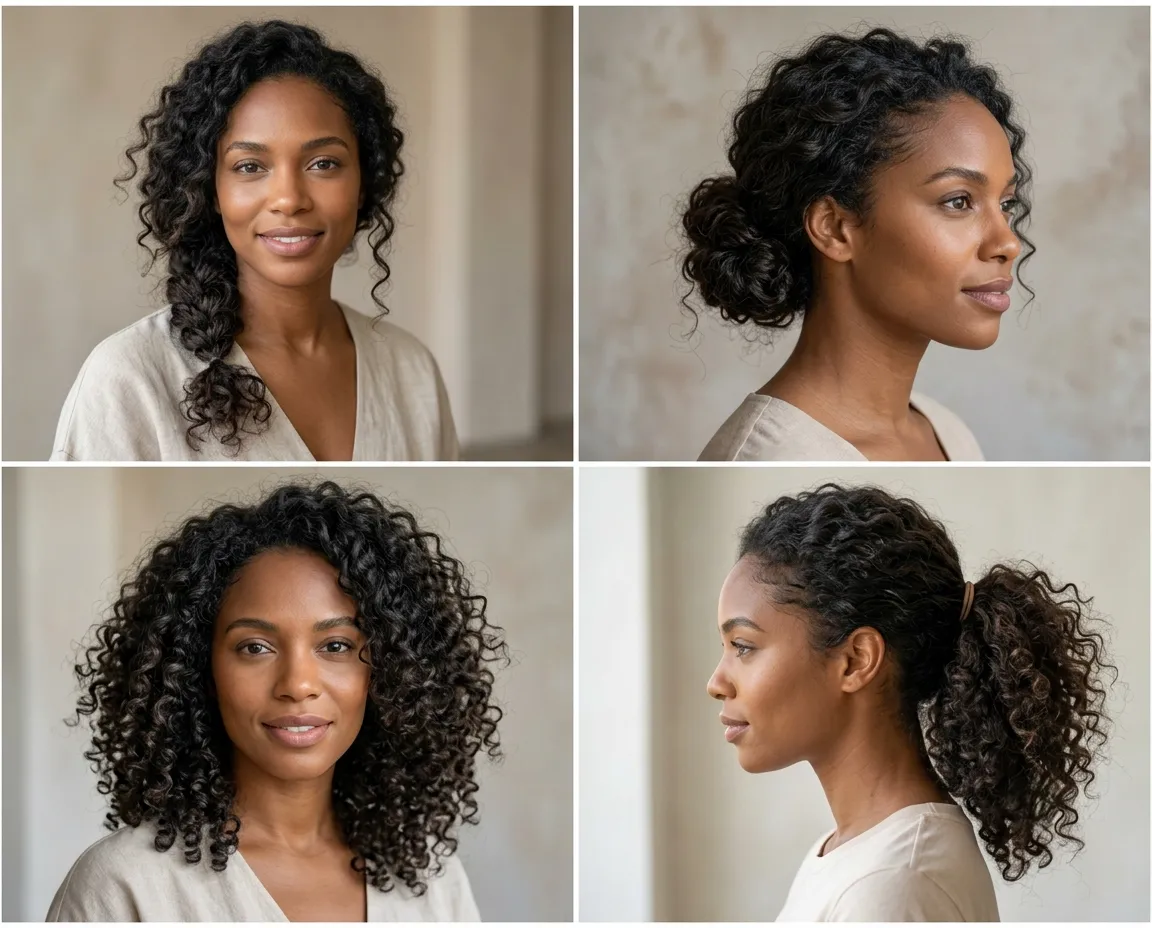
Loose Braids: Loose braids help reduce friction, limit tangles, and protect hair from humidity.
Low Bun: A low bun is a practical option that minimizes flyaways while placing less tension on the hair than tighter styles.
Soft Ponytail: Using fabric-covered hair ties instead of elastic bands helps reduce breakage and protects the cuticle.
Defined Natural Curls: Instead of brushing curls apart, use curl creams or leave-in conditioners to define your natural curl pattern.
This often results in healthier-looking hair with less frizz.
Layered Haircuts: For thick, frizzy hair, strategic layers may improve shape and reduce excess bulk while maintaining movement.
Consult a stylist experienced with your hair texture for personalized recommendations.
Lifestyle Habits That Support Healthy Hair
Beautiful hair begins with overall health.
Several daily habits may improve hair quality over time.
Eat a Nutrient-Rich Diet
Hair is primarily made of protein.
A balanced diet rich in:
- Lean protein
- Omega-3 fatty acids
- Iron
- Zinc
- Vitamin D
- Vitamin C
- Biotin (when deficiency exists)
supports healthy hair growth and normal hair structure.
Stay Hydrated
Although drinking water alone will not eliminate frizz, adequate hydration supports healthy skin and hair function.
Manage Stress
Chronic stress may contribute to increased hair shedding and changes in the hair growth cycle.
Stress management through regular exercise, quality sleep, and relaxation techniques supports overall hair health.
Schedule Regular Trims
Split ends cannot be permanently repaired.
Routine trims help remove damaged ends before they travel farther up the hair shaft, improving the overall appearance of frizzy hair.
When Should You See a Hair Specialist?
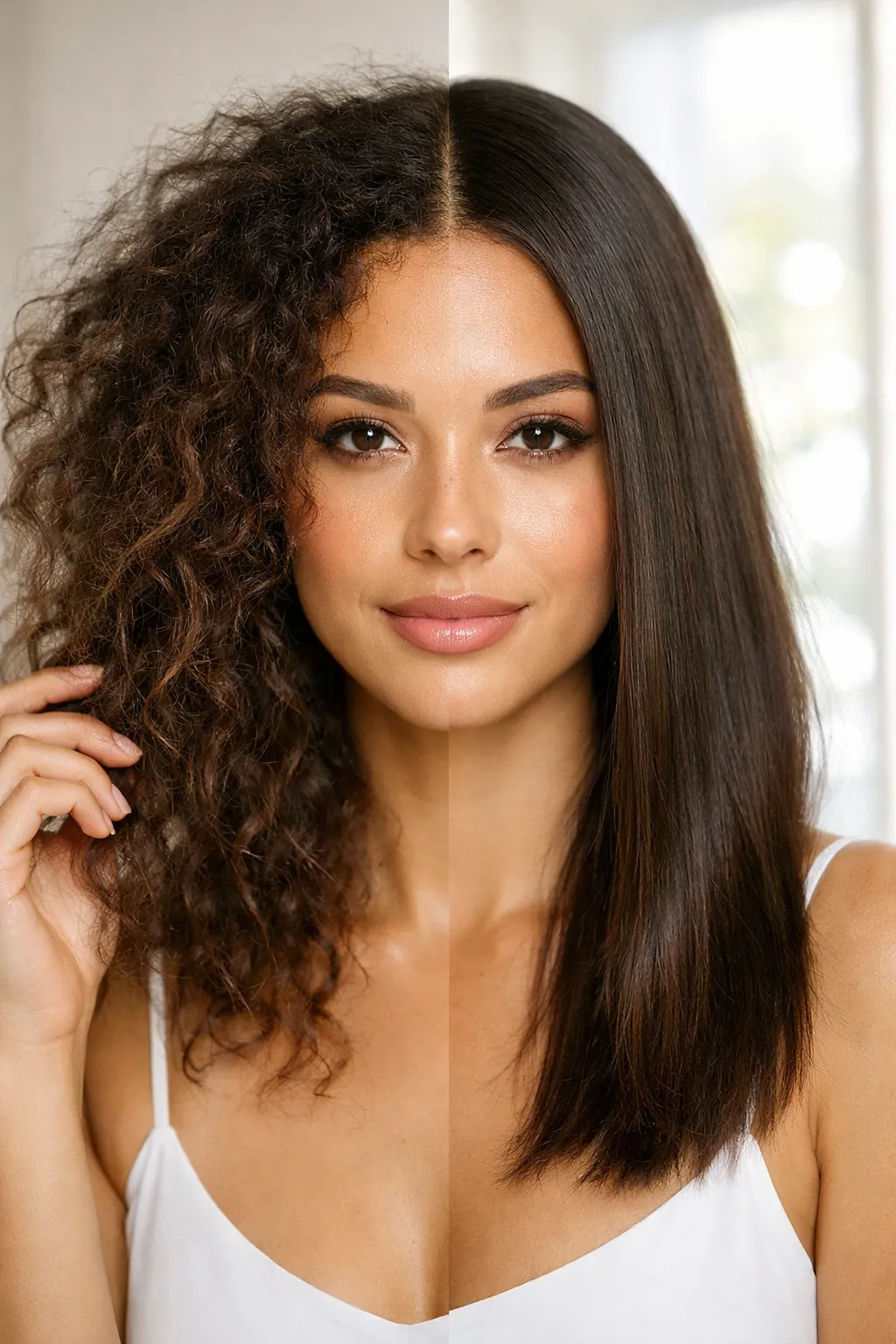
Most cases of frizz improve with consistent hair care and moisturizing routines.
However, professional evaluation may be helpful if you experience:
- Sudden changes in hair texture
- Excessive breakage
- Significant hair thinning
- Scalp irritation
- Hair loss accompanying frizz
- Damage that continues despite appropriate home care
A dermatologist or qualified hair specialist can determine whether an underlying scalp condition, nutritional deficiency, or medical disorder is contributing to your symptoms.
Choosing the right frizzy hair treatment begins with understanding your individual hair type and addressing the underlying causes rather than relying on temporary cosmetic fixes.
Frequently Asked Questions
What causes frizzy hair?
Frizzy hair develops when the outer layer of the hair (the cuticle) becomes raised, allowing moisture from the air to enter the hair shaft. This causes the hair to swell unevenly, creating a rough, puffy appearance.
Common causes include:
- Dry hair
- Humidity
- Heat styling
- Chemical treatments
- Frequent coloring or bleaching
- Overwashing
- Lack of moisture
- Genetic hair texture
Managing these factors can significantly reduce frizz over time.
Does keratin treatment for frizzy hair really work?
Yes, keratin treatment for frizzy hair can temporarily smooth the hair cuticle and make hair easier to manage.
Potential benefits include:
- Reduced frizz
- Increased shine
- Smoother texture
- Faster styling
- Better humidity resistance
Results usually last between two and five months, depending on the treatment used, hair type, and aftercare routine.
Which hair type is most likely to become frizzy?
Although anyone can experience frizz, it is most common in:
- Curly hair
- Wavy hair
- Dry hair
- Chemically treated hair
- Color-treated hair
- Highly porous hair
These hair types naturally lose moisture more easily or absorb excess humidity from the environment.
Are natural oils good for frizzy hair?
Natural oils may improve the appearance of frizz by helping seal moisture into the hair.
Popular options include:
- Coconut oil
- Argan oil
- Jojoba oil
These oils may reduce dryness, improve softness, and add shine, but they do not permanently change hair texture.
Using only a small amount is important, as excessive oil can weigh hair down.
Can frizzy hair be a sign of damage?
Sometimes.
Occasional frizz is normal, particularly in humid conditions.
However, persistent frizz combined with split ends, breakage, dullness, and excessive tangling may indicate damage caused by heat styling, chemical treatments, or repeated mechanical stress.
When should I see a dermatologist or hair specialist?
Seek professional advice if you experience:
- Sudden changes in hair texture
- Severe hair breakage
- Hair loss
- Persistent scalp irritation
- Redness or inflammation
- Hair damage that does not improve despite proper care
A dermatologist can determine whether an underlying scalp or medical condition is contributing to your symptoms.
What is the best frizzy hair treatment?
The best frizzy hair treatment depends on the cause of the frizz.
For many people, effective treatment includes:
- Using a moisturizing shampoo and conditioner
- Applying a leave-in conditioner
- Deep conditioning once a week
- Reducing heat styling
- Using heat protectant products
- Getting regular trims
- Protecting hair from humidity
If frizz is severe or persistent, a professional consultation may help identify the most appropriate treatment plan.
Is keratin treatment safe?
Professional keratin treatments are generally considered safe when performed correctly.
However, some products have historically contained formaldehyde or ingredients that release formaldehyde when heated. Choosing an experienced salon and asking about the product formulation can help reduce potential risks.
Individuals with respiratory conditions or chemical sensitivities should discuss concerns with their healthcare provider before undergoing treatment.
What hairstyle is best for frizzy hair?
The ideal frizzy hair style depends on your hair type and lifestyle.
Styles that often work well include:
- Loose braids
- Low buns
- Soft ponytails
- Defined natural curls
- Layered cuts
- Protective hairstyles
These styles help reduce friction and minimize unnecessary manipulation that can worsen frizz.
Does humidity always cause frizzy hair?
Humidity is a common trigger, but it is not the only cause.
Healthy, well-moisturized hair with a smooth cuticle is generally less affected by humid weather than dry or damaged hair.
Proper hair care can improve humidity resistance.
How often should I wash frizzy hair?
There is no universal washing schedule.
The ideal frequency depends on:
- Hair texture
- Scalp oil production
- Physical activity
- Climate
- Product buildup
Many people with curly or dry hair benefit from washing less frequently while focusing on moisturizing products.
Can I permanently get rid of frizzy hair?
There is currently no permanent cure for naturally frizzy hair.
However, consistent hair care, proper hydration, minimizing damage, and choosing products suited to your hair type can significantly improve manageability and reduce frizz over time.
Frizzy Hair Conclusion
Managing frizzy hair begins with understanding why it occurs. While humidity often receives the blame, factors such as dryness, hair porosity, heat styling, chemical treatments, and daily hair care habits all play important roles in determining how smooth and manageable your hair feels.
Rather than searching for a quick fix, focus on a long-term routine that protects the hair cuticle and restores moisture. Gentle cleansing, regular conditioning, deep hydration, heat protection, and minimizing unnecessary damage can dramatically improve hair texture over time.
For individuals seeking longer-lasting results, a professionally performed keratin treatment for frizzy hair may temporarily reduce frizz and improve manageability. However, maintaining healthy hair still depends on consistent care and realistic expectations.
Choosing the right frizzy hair treatment also means selecting products based on your hair's individual needs rather than marketing claims alone. Ingredients such as glycerin, ceramides, panthenol, natural oils, and hydrolyzed proteins can support healthier-looking hair when used appropriately.
Finally, embracing styles that complement your natural texture can make a significant difference. The right frizzy hair style not only enhances your appearance but also reduces friction, protects the hair shaft, and minimizes future damage.
Healthy hair is rarely achieved overnight, but with patience, evidence-based care, and a consistent routine, smoother, shinier, and more manageable hair is an achievable goal for most people.
Medical Disclaimer
This article is intended for educational and informational purposes only and should not be considered medical advice. It does not replace professional diagnosis, treatment, or recommendations from a qualified dermatologist or healthcare provider.
If you experience significant hair loss, scalp disease, severe breakage, allergic reactions to hair products, or persistent changes in hair texture, consult a licensed healthcare professional for an accurate diagnosis and personalized treatment.
Scientific References
Clinical Guidelines & Medical Organizations
- American Academy of Dermatology Association (AAD). Healthy Hair Care Tips.
- Mayo Clinic. Hair Care: Keeping Your Hair Healthy.
- Cleveland Clinic. Hair Health: Causes of Hair Damage and Prevention.
- National Health Service (NHS). Hair Loss and Hair Care Advice.
Peer-Reviewed Research
- Robbins CR. Chemical and Physical Behavior of Human Hair. Springer.
- Gavazzoni Dias MFR. Hair Cosmetics: An Overview. International Journal of Trichology.
- National Institutes of Health (NIH). Hair Shaft Disorders and Hair Fiber Damage.
- National Library of Medicine (PubMed). Effects of Cosmetic Treatments on Hair Fiber Structure.
- American Academy of Dermatology. Protecting Hair from Heat Damage.
- International Journal of Cosmetic Science. Hair Conditioning Technologies and Hair Fiber Protection.
- Journal of Cosmetic Dermatology. Protein Loss and Moisture Balance in Human Hair.
- National Center for Biotechnology Information (NCBI). Hair Biology and Hair Shaft Structure.